
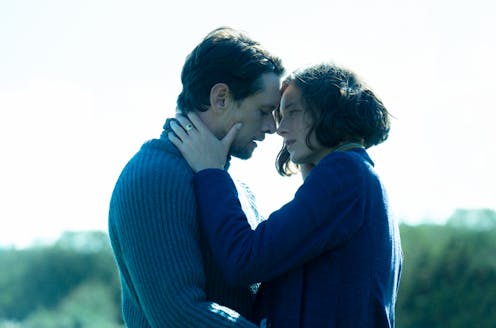
It is easy to understand the appeal of D. H. Lawrence’s novel Lady Chatterley’s Lover (1928) for filmmakers. The issues the novel addresses are so rich. Written in response to the general strike of 1926 in the UK, the story examines the sources of class enmity and imagines how it might be overcome through tenderness, touch and sex.
Many, including the author Doris Lessing, have argued that Lady Chatterley’s Lover can only be understood in the context of its time and societal stresses. However, this latest film version strips out the social context and class detail of the novel and with them go most of the psychological complexity of the characters, leaving simply a love story with a happy ending.












