There are two very different sides to Netflix. On the one hand, there’s the glitz: the prestige-laden films by venerated directors (Roma; The Irishman; The Power of the Dog). The glossy hit series like Stranger Things or Squid Game. But then there’s the other stuff. Just as crucial to Netflix’s business model – perhaps more crucial – is the streamer’s extensive catalogue of less reputable material. From salacious true crime docs to paranormal investigation series, Netflix is teeming with programmes that fall somewhere between being knowingly pulpy and outright schlock. In a climate where new streaming services seem to launch every few months, adding to the competition and cutting into Netflix’s non-original content catalogue, it’s natural that Netflix would turn to whatever gets people watching. So when a programme like Ancient Apocalypse drops on the streaming service, you might be inclined to think it’s all just business as usual.
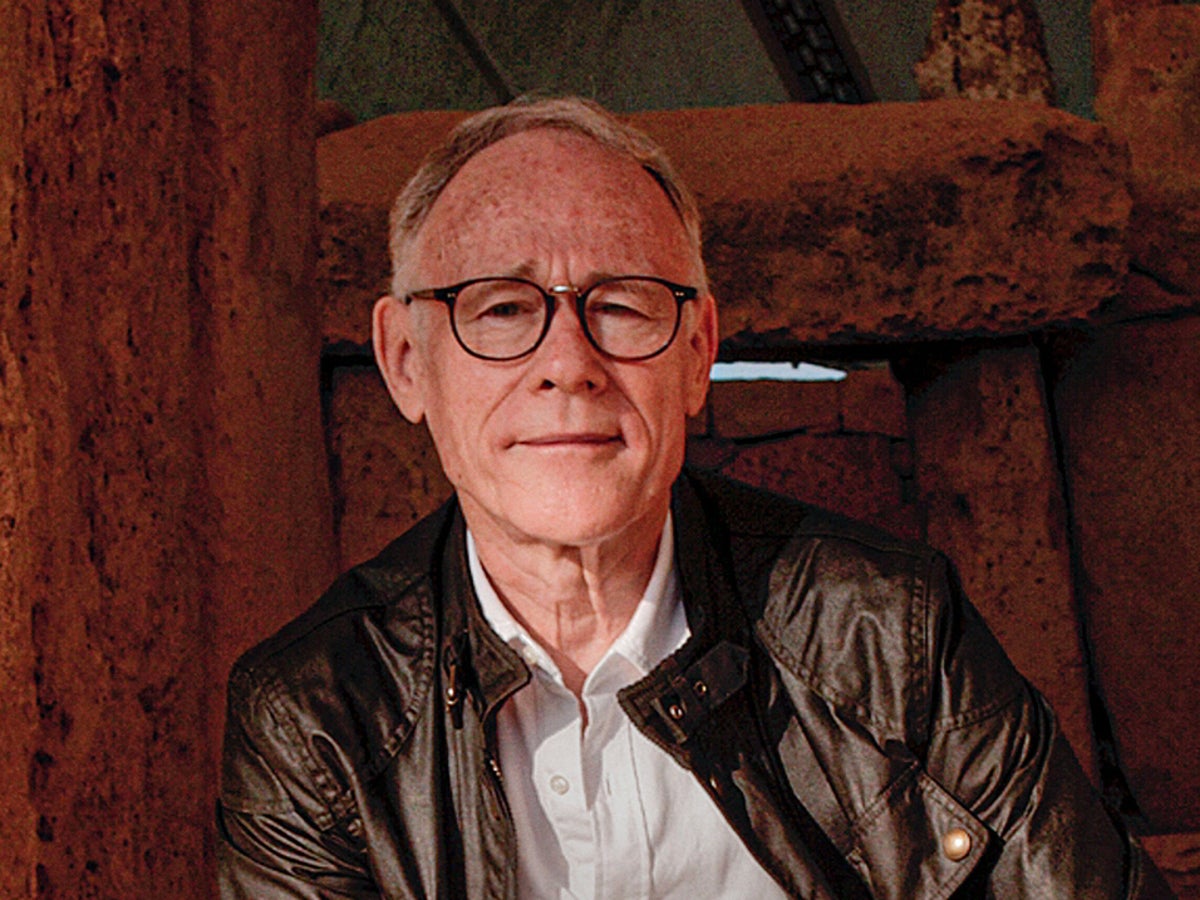
But that’s not necessarily the case. Ancient Apocalypse, a documentary hosted by the writer and repeat guest on Joe Rogan’s podcast Graham Hancock, centres on Hancock’s own spuriously substantiated theories about the existence of an advanced Ice-Age civilisation that was wiped off the face of the Earth by comets and a mighty flood roughly 12,000 years ago. Experts have branded the subject a pseudoscientific conspiracy theory; much of the programme follows Hancock’s own fruitless efforts to be taken seriously by the archaeological establishment. The Guardian branded the series “the most dangerous show on Netflix”, while historian Greg Jenner referred to it as “absolute nonsense which fails at the most basic level to present convincing evidence” – and yet the series has sat in Netflix’s Top 10 list for several days, currently resting at No 7 across all of film and TV at the time of writing. The documentary has raised concerns over Netflix’s own complicity in disseminating dubious or misleading information. More than this, however, it has made a compelling case for the value of the UK’s publicly owned broadcasters.