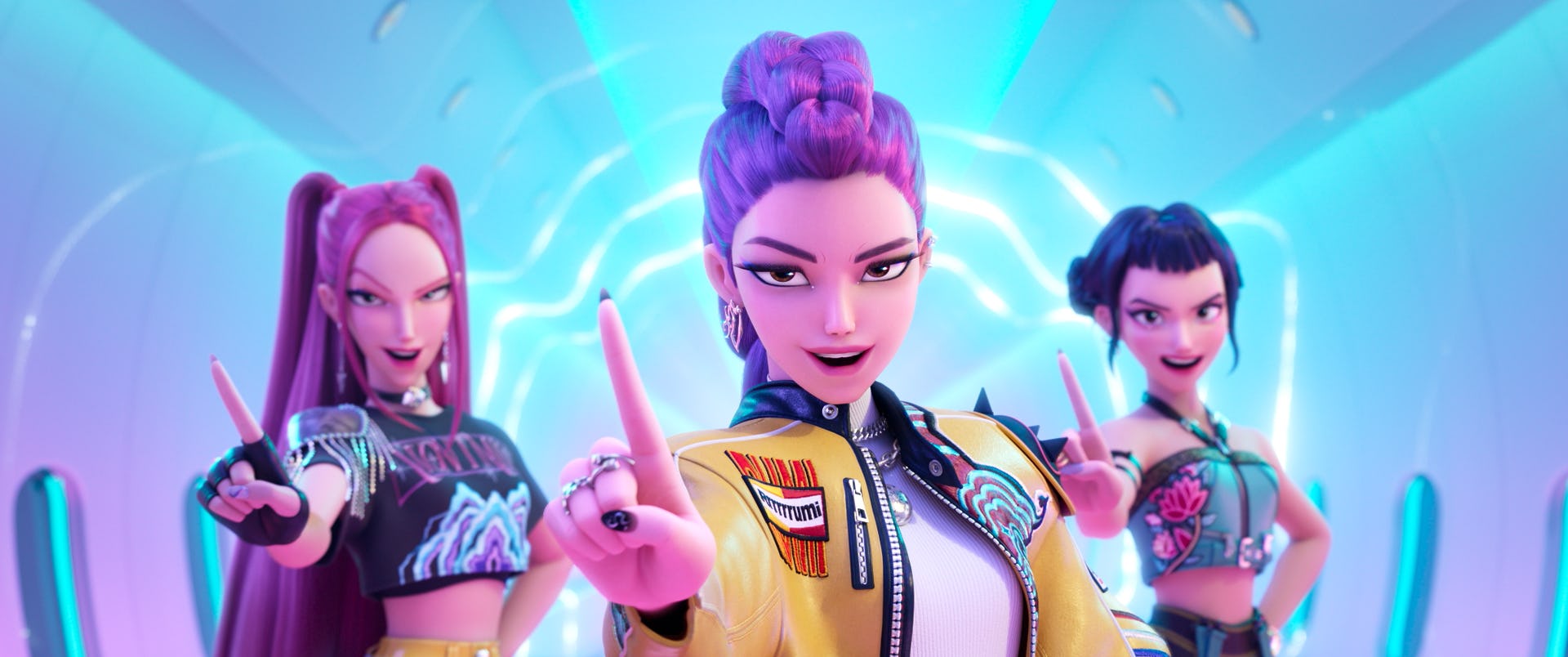
From the outside looking in, the K-pop industrial complex is like a cult unto itself. Stans the world over pledge their allegiance to supernaturally gorgeous singers and dancers, while labels churn out a steady stream of polished content — from comebacks to music videos to photo cards and fan meets — to keep the parasocial love going.
As someone who’s dabbled (heavily) in the world of K-pop, I can’t deny those allegations. Getting swept up in the novelty of a new group is a rush too electric for words. Something strangely primal takes over when my favorite artists return with a new single, a new music video; when I buy a new album and pull a photocard of my favorite member (or bias) from the folds of a CD jacket. But I also know, in the back of my mind, that this brand of idolatry is dangerous even in moderation. I’ve scoured the bowels of eBay like a soul possessed to procure rare BTS merch, fallen into “post-concert depression” after seeing a group live, and spread the good word of K-pop to anyone who’ll listen. The genre definitely has the power to unite and uplift, but there’s also a darker edge to it all, one a concerned bystander could easily mistake for emotional and financial bondage.