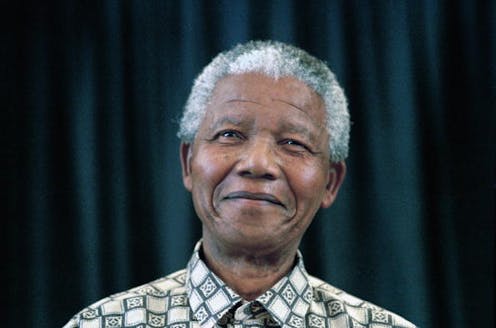
The multiple concerns about the dismal state of South Africa – including a stagnant and failing economy, a seemingly incapable state, and massive corruption – have led to the questioning of the political and economic settlement made in 1994 to end apartheid. The settlement is strongly associated with Nelson Mandela, who oversaw its progress to a successful conclusion. He subsequently underpinned it by promoting reconciliation with white people, especially Afrikaners, the former rulers.
The questioning of the 1994 settlement, and therefore Mandela’s legacy, has different dimensions, running through diverse narratives. One, associated with a faction of the governing African National Congress (ANC) that claims to stand for “radical economic transformation”, is that the settlement was a “sell-out” to “white monopoly capital”. Another is the inclination to lay the blame for state failure on the constitution, thereby deflecting responsibility for massive governance failures away from the ANC.