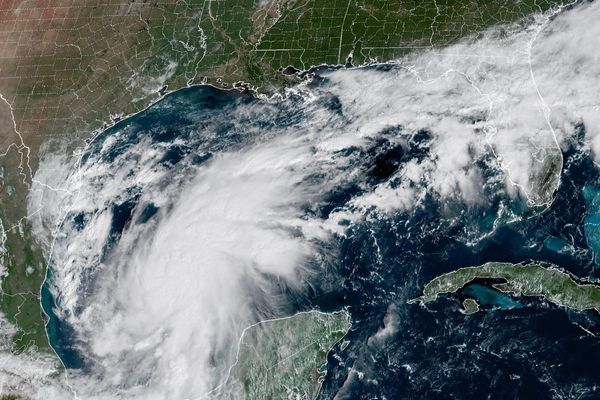
The two most important issues facing humanity in the 21st century are climate change and food insecurity. Some of the ongoing effects of climate change, such as heat waves, flash floods, droughts, and cyclones, are negatively influencing lives and livelihoods. The world’s southern continents are reportedly experiencing severe drought due to climate change, which negatively impacts agricultural production and farmers’ livelihoods. Both population expansion and dietary changes are contributing to an increase in the demand for food. The effects of the environment on farm output only add to the difficulty. As a result of climate change, traditional farming practices are becoming less productive. Climate change is increasing the dangers faced by farmers, prompting them to re-evaluate their practices. Farmers are taking a variety of adaptation measures to reduce the negative effects of climate change. The need for a holistic strategy is driven by climate change’s dual challenges of adaptation and mitigation, and the pressing need for agricultural production to rise by 60% by 2050 in order to fulfill food demand.
A viable option
As a viable option, climate-smart agriculture (CSA) provides a holistic framework. The Food and Agriculture Organization said in 2019: “Climate-smart agriculture is an approach for transforming food and agriculture systems to support sustainable development and safeguard food security under climate change. CSA comprises three pillars or objectives: (1) sustainably increase agricultural productivity and incomes; (2) adapt and build resilience to climate change; and (3) reduce/remove GHG (greenhouse gases) emissions, where possible.” Dimensions of climate-smart practices include water-smart, weather-smart, energy-smart, and carbon-smart practices. They improve productivity, deal with land degradation, and improve soil health.