Get all your news in one place.
100’s of premium titles.
One app.
Start reading
Fortune
Fortune
Preston Fore

Americans are quietly abandoning the daily habit that billionaires, like Bill Gates, say set them up for success—and it could have lasting consequences

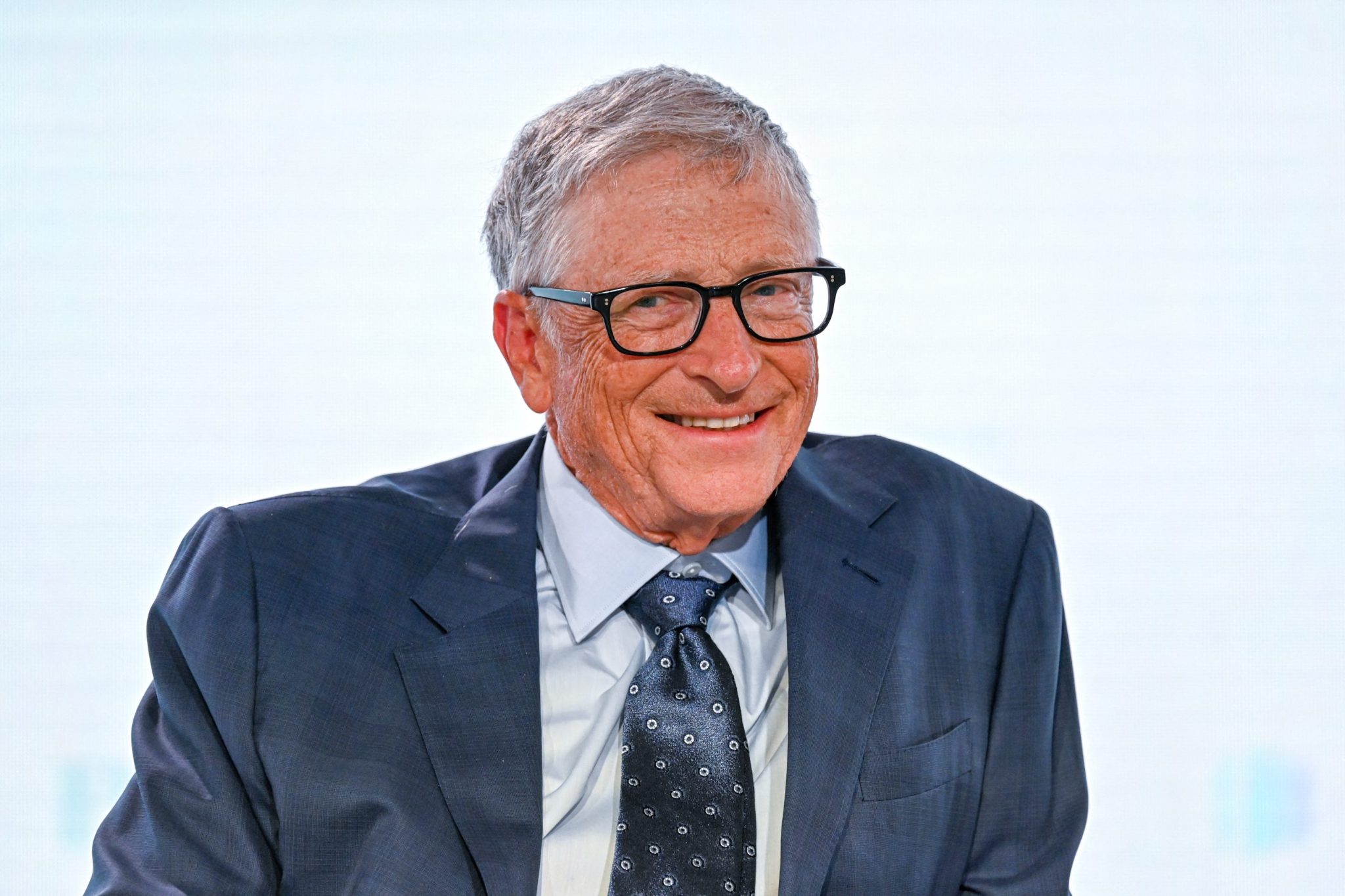
Bill Gates (Credit: ROSLAN RAHMAN/AFP via Getty Images)

Bill Gates, Barack Obama, and Oprah Winfrey all share a daily habit that most Americans have quietly abandoned: reading books.

In fact, according to a new JPMorgan survey of more than 100 billionaires, reading ranks as the top habit that elite achievers have in common.

But among the broader public, the habit is collapsing. Two in five Americans did not read a single book in 2025, and daily reading for pleasure has plummeted some 40% over the past two decades. Experts widely point to the attention economy—supercharged by social media and increasingly AI—as a key driver of the shift away from long-form reading.

The growing decline has troubling implications for future success, according to Brooke Vuckovic, a professor at Northwestern’s Kellogg School of Management. Reading, she stressed, is a cornerstone of nuanced, in-depth analysis and communication—especially critical skills for aspiring business leaders.

“Reading long-form fiction, biography, and history demands focused attention, tolerance with ambiguity and unanswered questions or unrevealed nuance in characters and situations, and a willingness to have our preconceptions upended,” Vuckovic told Fortune. “All of these qualities are requirements of strong leadership [and] they are in increasingly short supply.”

Alison Taylor, a professor of business and society at NYU’s Stern School of Business echoed that being a deep thinker is becoming like a “luxury good”—increasingly rare and important.

“Having intellectual credibility, being well read and so on is definitely one thing money can’t buy, so the ultimate status symbol,” she told Fortune, adding that’s why many CEOs declare a love for reading, even though some are “completely out of their depth on things like literature, philosophy and understanding the broad shifts in geopolitics.”

Reading drives curiosity—something business leaders are looking for

Vuckovic practices what she teaches. She reads between 35 to 60 novels and short stories a year—a habit that strengthens both her thinking and ability to connect with others.

That kind of reading, she argued, cultivates intellectual curiosity, an increasingly prized trait in leadership at a time when many decisions are shaped by algorithms and echo chambers.

Research backs up the idea. A study in the American Journal of Sociology examined managers at defense contractor Raytheon and found that the most highly rated ideas came from those with connections beyond their immediate work groups. Sociologist Ronald Burt, who led the study, wrote that well-read people are more likely to come up with good ideas.

And many corporate leaders say it’s the same quality they are currently prioritizing. Take Indeed’s former CEO Chris Hyams, for example. He told Fortune that curiosity and openness outweigh credentials when evaluating candidates.

Similarly, Shake Shack founder Danny Meyer said last year he does not care what candidates’ IQ is—and instead looks for six top emotional skills. Intellectual curiosity, empathy, and self-awareness are among them. 

JPMorgan Chase CEO Jamie Dimon has also argued that leaders risk stagnation if they don’t deliberately seek out new perspectives.”Leaders have to get out,” Dimon told LinkedIn last year. “They have to be curious. Ask a million questions.” 

Gen Z are reading the least—and it could hurt them dramatically

Despite a growing number of Gen Z pushing back against digital “brain rot”—and even leading BookTok, a TikTok subcommunity dedicated to books and literature—young people are still picking up the fewest books. 

Americans aged 18 to 29 read on average 5.8 books in 2025—the lowest of any generation, according to YouGov.

Taylor said the decline is especially troubling in the classroom, where students increasingly rely on AI chatbots to summarize readings rather than engaging deeply with the materials themselves.

While AI and other tech may make reading easier to skip, turning away from challenges could backfire for Gen Zers with leadership ambitions. After all, strategic and critical thinking are among the most sorely needed soft skills at companies today.

But once they begin reading, Vuckovic said, the shift can be immediate: “It is a simple, pleasurable, low-cost way to expand one’s mind.”

Sign up to read this article
Read news from 100’s of titles, curated specifically for you.
Already a member? Sign in here
Related Stories
Top stories on inkl right now
One subscription that gives you access to news from hundreds of sites
Already a member? Sign in here
Our Picks
Fourteen days free
Download the app
One app. One membership.
100+ trusted global sources.