Get all your news in one place.
100’s of premium titles.
One app.
Start reading
TechRadar
TechRadar
Chiara Castro

'Near-complete shutdown' — Iranians face third day of internet blackout as connectivity hits 1%

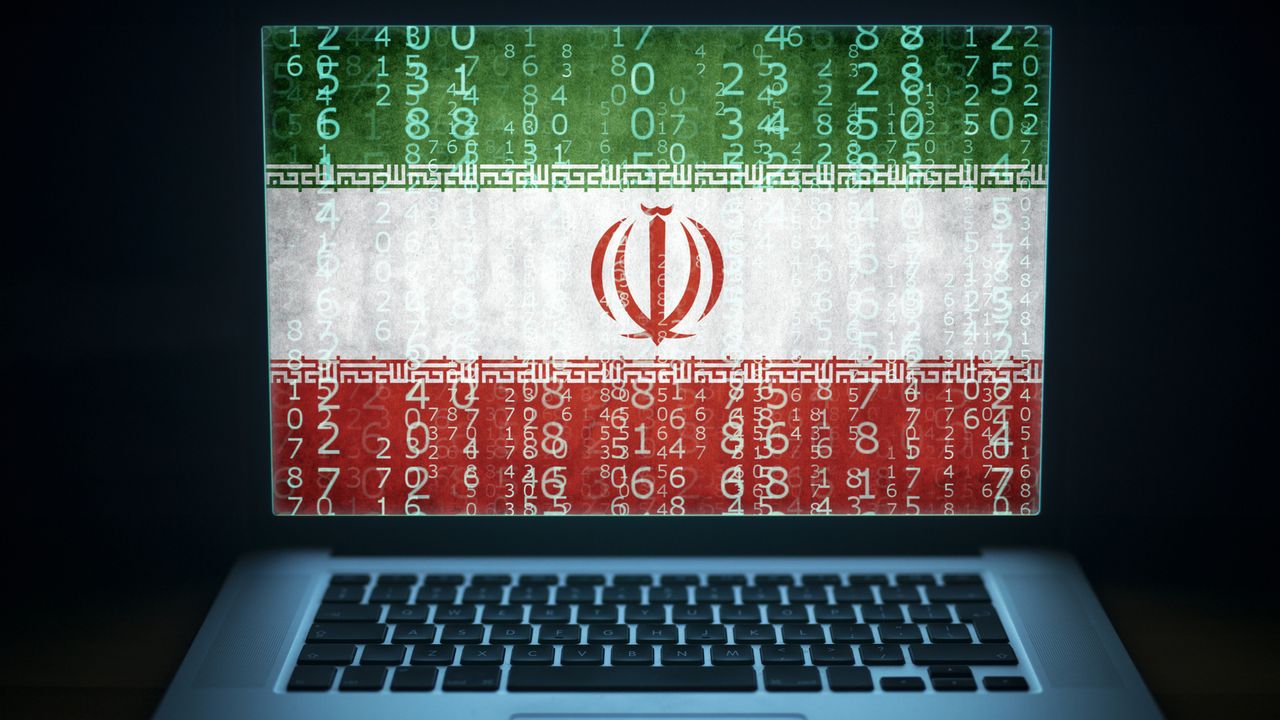
Iran flag on a laptop screen.

  • Iran entered a near-total internet blackout on February 28
  • The blackout remains ongoing
  • Iranians have very limited solutions to circumvent restrictions

Iran has been plunged into a near-total internet blackout as regional conflicts escalate. The disruptions come barely a month after previous nationwide restrictions were lifted.

Data from internet watchdogs, including Cloudflare Radar and NetBlocks, shows that widespread restrictions began on Saturday February 28. The disruptions followed reports of military strikes in the region.

Cloudflare Radar recorded a "near-complete shutdown" on Saturday, reporting that internet traffic in Iran had dropped in major hubs including Tehran, Fars, Isfahan, Alborz, and Razavi Khorasan.

As of March 2, the blackout has surpassed the 48-hour mark with no signs of recovery.

Doug Madory, Director of Internet Analysis at Kentik, confirmed that several networks have entirely ceased exchanging traffic.

He noted that — similar to the restrictions imposed on January 8 — "there is a tiny amount of traffic still getting passed." Signs of outages, potentially caused by airstrikes, continue to reduce connectivity.

While Reuters reported that a wave of cyberattack incidents has coincided with Saturday's attack on Iran, some digital rights activists have suggested that the regime may be to blame for restricting access to the internet.

Iran has previously cut off online communications during times of political turmoil. Besides the shutdown imposed in January to crack down on widespread anti-government protests, authorities also restricted access to the internet last June during the Twelve-Day War between Israel and Iran.

Why standard VPNs fail during a total blackout

Proton VPN, one of the most popular free VPNs in the region, recorded a "sharp uptick" in usage on Saturday just hours before the near-total blackout took effect.

David Peterson, General Manager at Proton VPN, noted that this surge suggests Iranians were "trying to find international news sources on the US/Israel strikes" before connectivity dropped.

While VPNs are important tools for bypassing censorship, they do need the internet access to work.

For the same reason, VPN alternatives (Psiphon, Tor, and Lantern) that currently help Iranians to overcome unprecedented internet censorship are also likely not working.

Satellite internet connections like Starlink remain one of the very few solutions to navigate these types of shutdowns, but access among residents in Iran is limited.


Follow TechRadar on Google News and add us as a preferred source to get our expert news, reviews, and opinion in your feeds. Make sure to click the Follow button!


Sign up to read this article
Read news from 100’s of titles, curated specifically for you.
Already a member? Sign in here
Related Stories
Top stories on inkl right now
One subscription that gives you access to news from hundreds of sites
Already a member? Sign in here
Our Picks
Fourteen days free
Download the app
One app. One membership.
100+ trusted global sources.