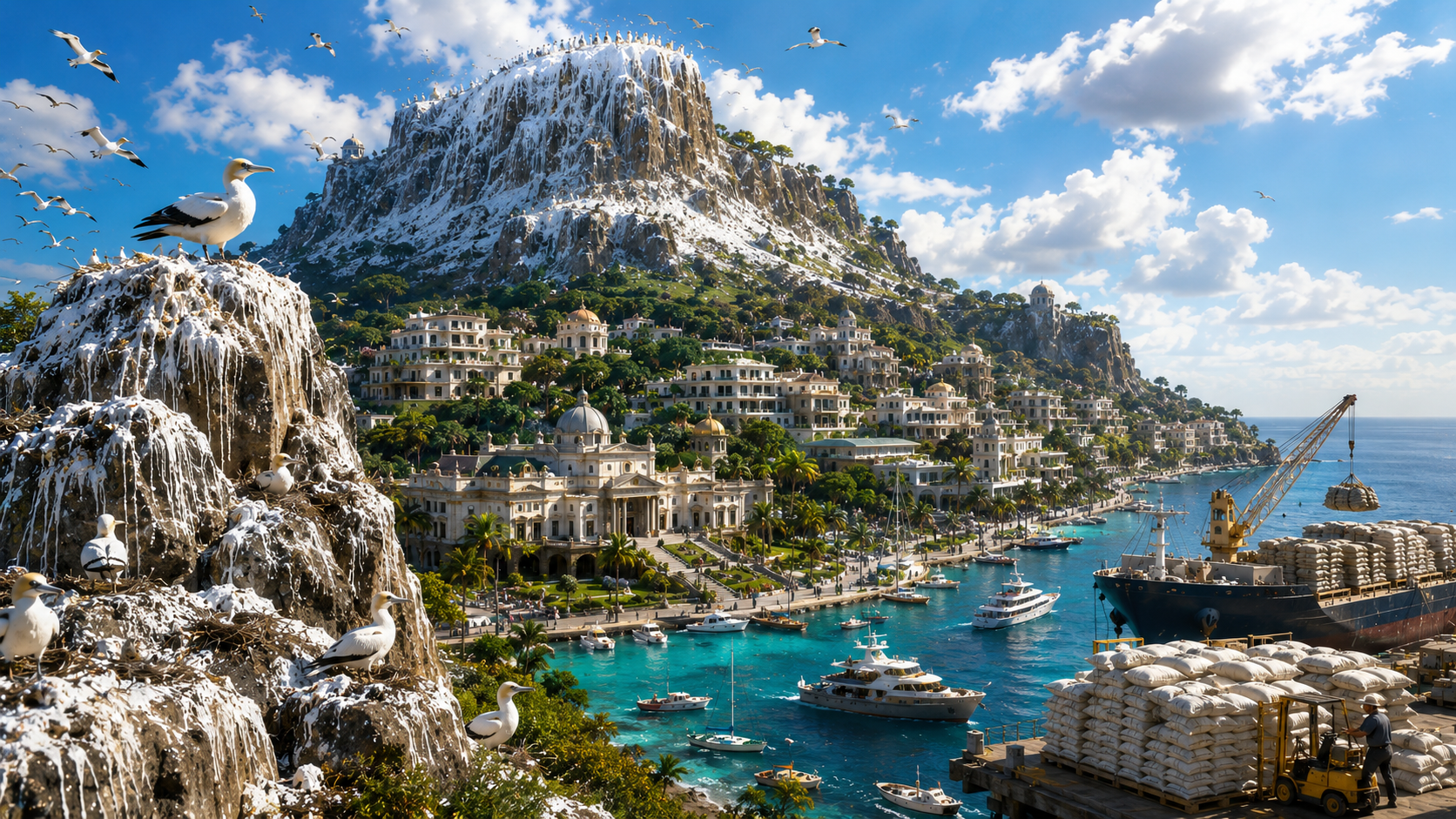
From the air, Nauru hardly looks like the sort of place that would appear in conversations about wealth. It is a small Pacific island, just 21 square kilometres in size, isolated from major markets and home to a population smaller than many suburban neighbourhoods. Yet for a period during the late twentieth century, it ranked among the wealthiest nations on earth on a per-person basis. That prosperity came from an unlikely source buried beneath the ground: phosphate formed over centuries from seabird deposits. The money arrived quickly. Keeping it proved far more difficult. Since then, Nauru has moved through repeated cycles of boom, decline and reinvention, turning to an unusual mix of industries, government agreements and experimental ventures in an effort to sustain itself.
Get breaking news anytime, anywhere. Download the TOI app now!