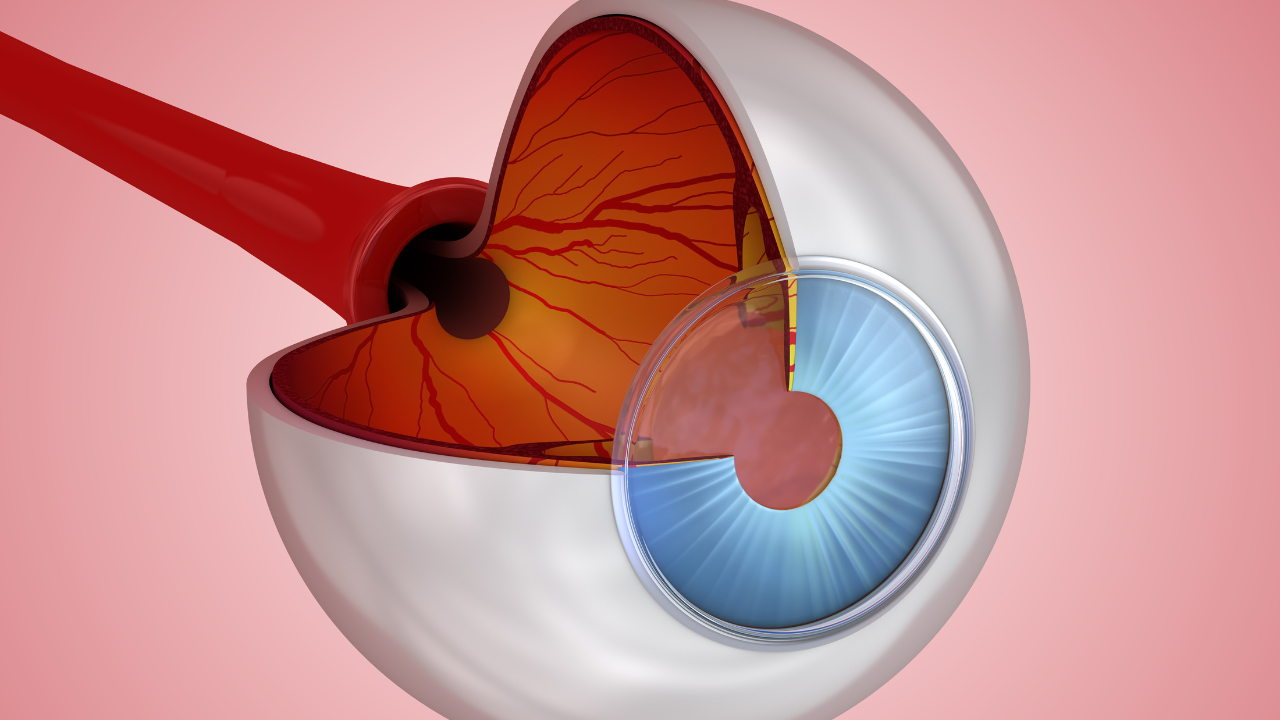
Glaucoma, a leading cause of irreversible blindness worldwide, poses a significant public health challenge with approximately 80 million individuals affected globally. Alarmingly, half of these cases often go undiagnosed, exacerbating the risk of vision loss. In India alone, nearly 12 million people grapple with this condition, with a staggering 40-50 percent of cases evading detection. With projections indicating a rise in global blindness attributed to glaucoma, it becomes imperative to delve into its intricate mechanisms and risk factors.
While glaucoma manifests as a gradual loss of retinal ganglion cells (RGCs), its etiology remains elusive despite extensive research efforts. Age serves as a prominent risk factor, with individuals over 40 facing heightened susceptibility. Research also indicates a strong genetic predisposition, particularly evident in cases of juvenile-onset and early adult-onset glaucoma linked to specific gene mutations. The pathophysiology of glaucoma is multifaceted, involving an interplay of genetic predisposition, environmental influences, and stochastic factors. This complexity underscores the importance of exploring the delicate balance between nature and nurture in shaping glaucoma risk.