
Midway through Universality, Natasha Brown inducts us into the dinner party from hell. Freelance journalist Hannah has invited three old university friends to her new flat, and it’s clear they’ve only turned up because one of her articles has recently gone viral. Just about every conversational taboo – money, religion, politics – is broached in spectacularly awkward fashion. Eventually, the faux politeness threatens to devolve into an all-out ideological slanging match.
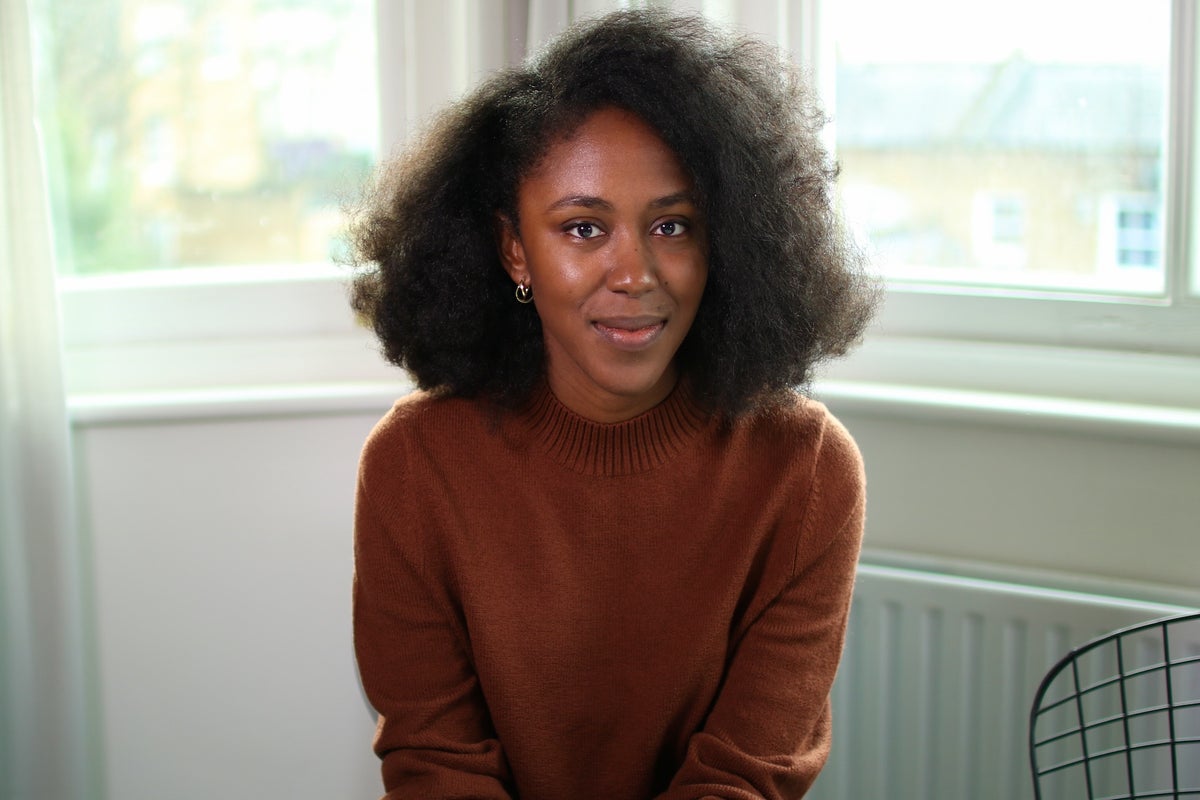
This portrayal of how friendships can decay in adulthood, fuelled by mutual resentments about privilege and status, is so acutely observed it’s excruciating. “There was absolutely a lot of cringe,” Brown laughs as she remembers writing this scene from her second novel. She’s speaking from her home in London, the Zoom frame lined with rows of crowded bookshelves, and what feels like the year’s first hint of sun trickling in through the window.