
Get all your news in one place.
100's of premium titles.
One app.
Start reading
T3
T3
Technology
Lizzie Wilmot

My smart ring revealed exactly what watching the World Cup semi-final does to your body

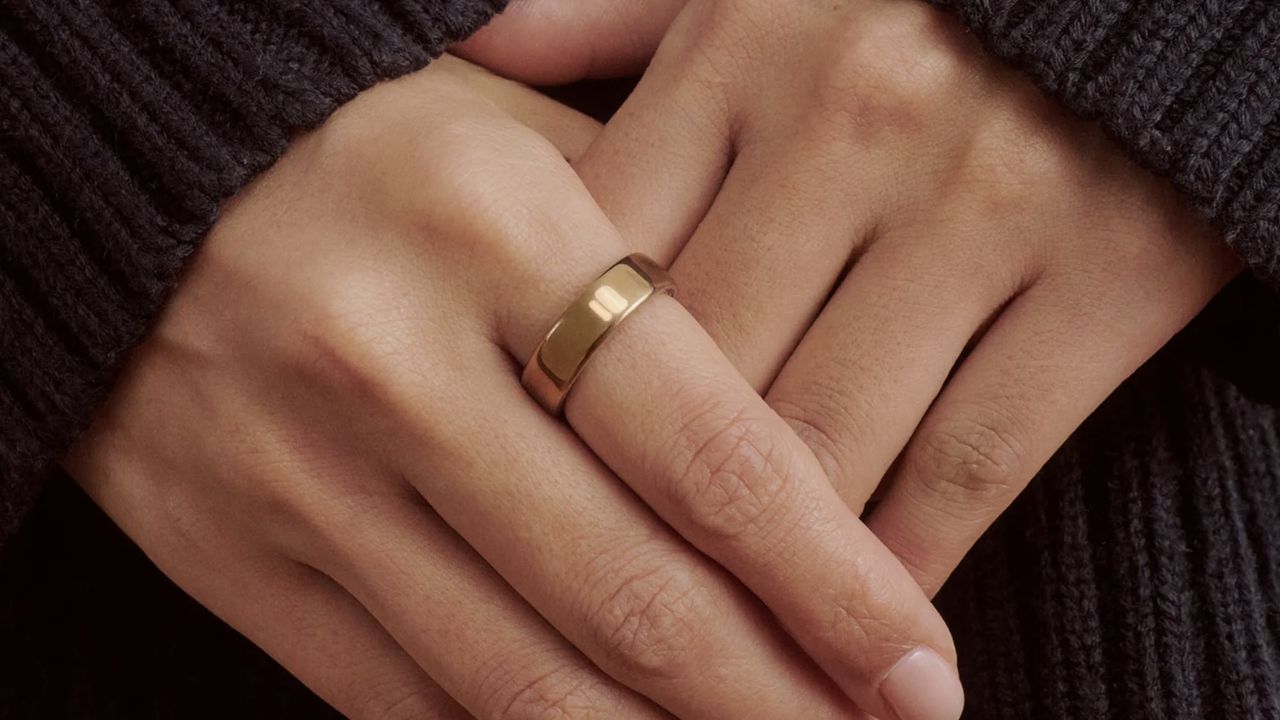
Oura Ring 5.

It's no secret that last night's World Cup semi-final was a rollercoaster from start to finish. Whilst England fans were left heartbroken by the final whistle, it was a nail-biting match that had us hanging on until the very end.

Interestingly, new research from Beko found that just 25% of England fans have been watching the World Cup at home, with comfort and saving money cited as the main reasons. Most would rather head to the pub and experience the match with fellow fans, which made me wonder how our bodies react during a game like this when there are no outside influences.

So, for the semi-final, I stayed at home and let my Oura Ring 5 track what was happening to my body throughout the evening. With no noisy pub, no alcohol and no outside distractions, it was just me, the match and my smart ring data.

(Image credit: Lizzie Wilmot / T3)

Before kick-off, everything looked pretty normal. I got home from work just after 6pm and, as it does most evenings, my heart rate gradually dropped as I relaxed. It gave me a good baseline before the football started...which didn't last long.

The moment the match kicked off, my heart rate jumped from 68bpm to just under 90bpm without me moving from the sofa. It was a reminder that your body doesn't really care whether you're running around a pitch or simply watching from your living room – the anticipation alone is enough to trigger a physical response.

When England scored, my heart rate climbed even higher, and then settled slightly as their defence stayed strong. The highest reading of the night was when Argentina took the lead, climbing from around 78bpm to 95bpm in a matter of seconds. As the extra time started dwindling and England's chances faded, my heart rate slowly evened out agin.

I was just as curious to see what effect the match had on my sleep.

(Image credit: Lizzie Wilmot / T3)

The next morning, my Oura Ring gave me a sleep score of 63, which is well below my usual average. Even though I'd been in bed for almost eight hours, I only managed around five and a half hours of actual sleep, with a sleep efficiency of 75%.

The most telling metric was my restfulness score. After two hours of excitement, frustration and disappointment, my body clearly struggled to switch off properly. My sleep was lighter than usual, and I spent more time awake during the night than I normally would.

(Image credit: Lizzie Wilmot / T3)

Whilst it's hardly a scientific study, it was fascinating to see just how much my body reacted to such a tense match, even from the comfort of my own sofa. From the spikes in heart rate during key moments to the noticeable dip in my sleep quality afterwards, it's clear that the emotional highs and lows of sport can have a real physical impact.

If you're curious about the wearable that tracked it all, be sure to read our full Oura Ring 5 review for a deeper look into its features, accuracy and whether it's worth the investment.

Sign up to read this article
Read news from 100's of titles, curated specifically for you.
Already a member? Sign in here
Related Stories
Top stories on inkl right now
One subscription that gives you access to news from hundreds of sites
Already a member? Sign in here
Our Picks
Fourteen days free
Download the app
One app. One membership.
100+ trusted global sources.