The current job landscape is far from fruitful for the average person.
Navigating hundreds of job postings, avoiding those that are nothing but scams, and constantly updating your resume and cover letter can be taxing for unemployed individuals. And that’s all before you even get a response from one of the jobs you’ve applied for, and receive the opportunity to sit down for an interview.
For the employed, the everyday stresses of maintaining one’s professional duties are many. But holding onto a paid position and staying financially afloat has always been a necessity.
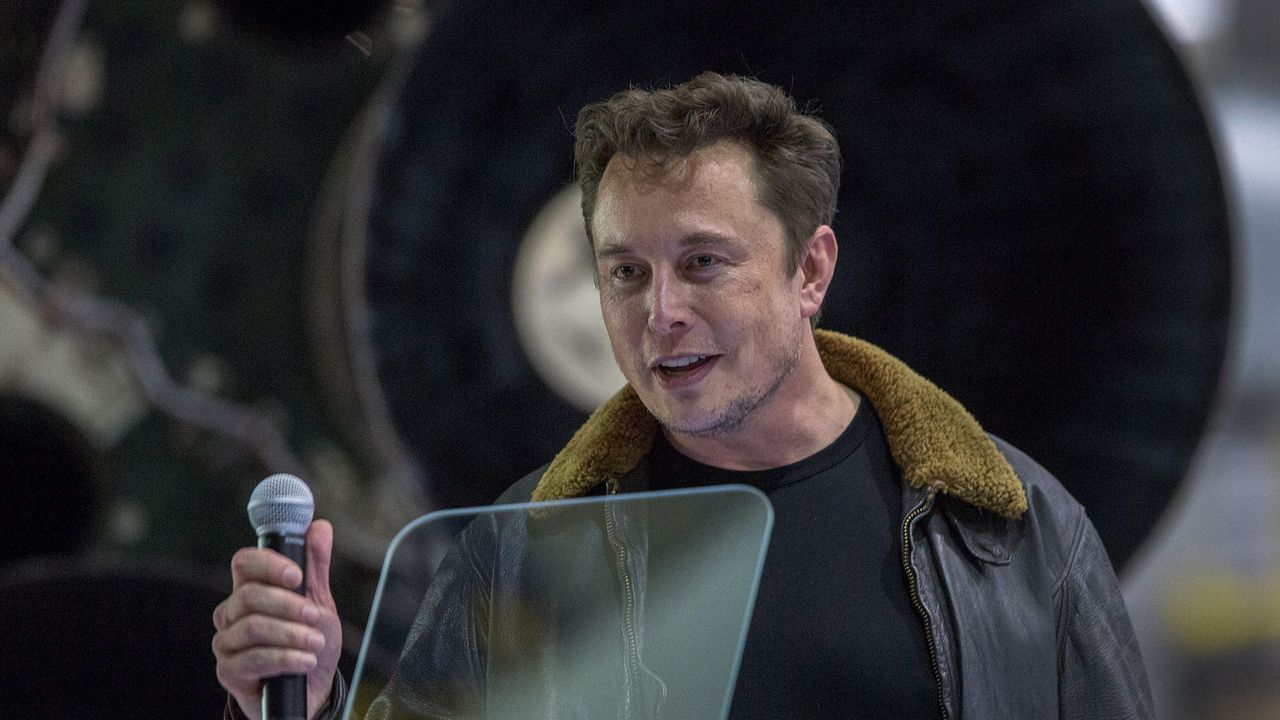
Tesla CEO Elon Musk envisions a future where work will become less of a mandatory endeavor and more of an optional one. And what elements does he see taking over jobs regularly performed by humans? AI and robotics.
Elon Musk predicts jobs turning into something like a hobby in the next 10 to 20 years
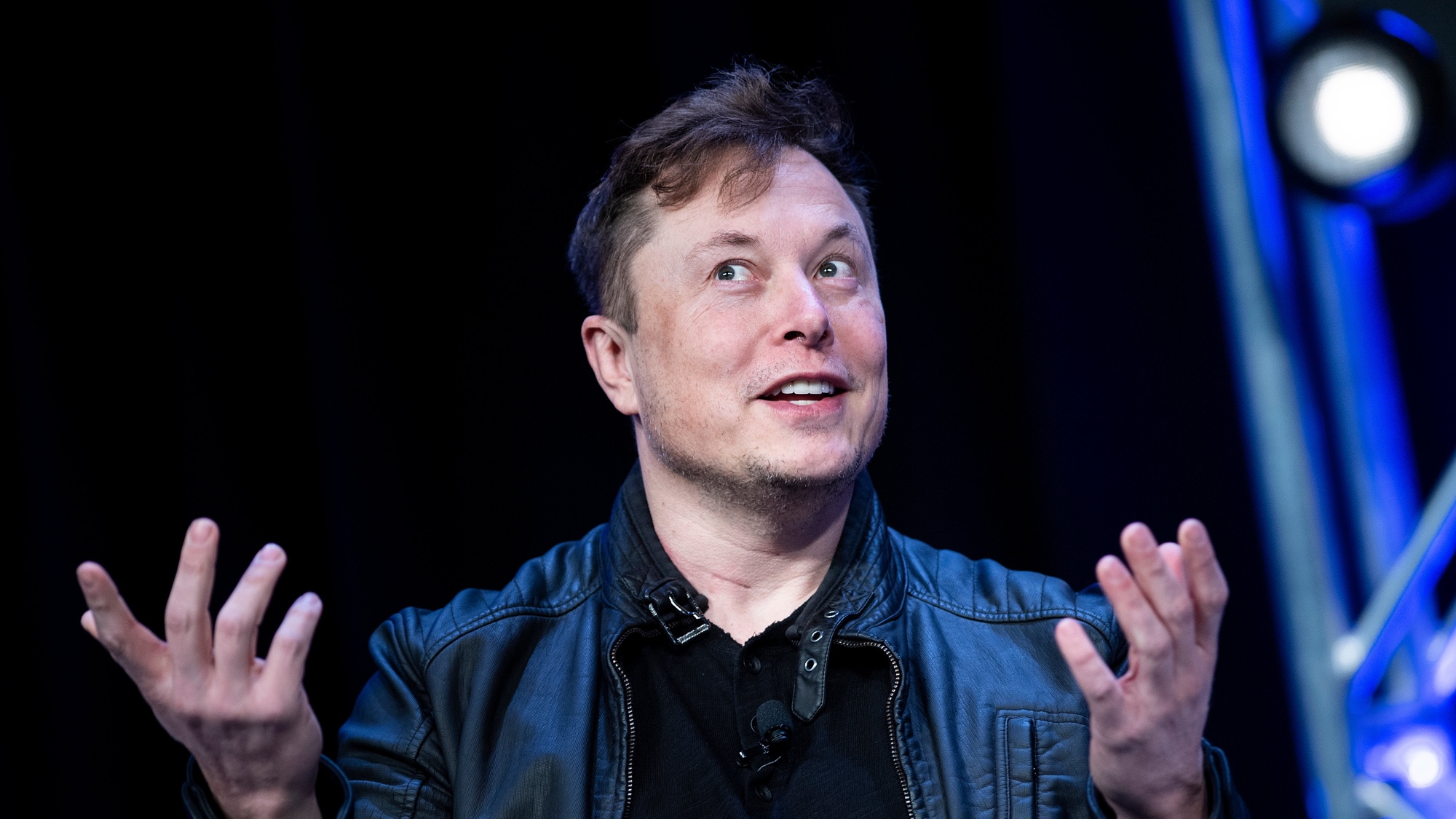
During an onstage discussion about technology with NVIDIA CEO Jensen Huang at last year’s U.S.-Saudi Arabia Investment Forum in Washington, D.C., Elon Musk leaned into one of his biggest predictions yet: a future where work isn’t required.
“My prediction is that work will be optional. It’ll be like playing sports or a video game or something like that,” Musk said. He compared it to the difference between buying vegetables at the store versus growing them yourself — harder, but something people might still choose to do simply because they enjoy it.
Huang offered a more grounded version of what that shift could look like. “Everyone’s jobs will be different,” he said. “As the mundane things we do become simpler and we become more productive, you’ll have more time to pursue ideas.”
Still, it’s hard to picture a world where farmers, factory workers and other hands-on professions are fully replaced by AI-powered machines anytime soon. But it’s also not hard to understand why people are nervous. Layoffs, automation and constant uncertainty have made job security feel shaky, even for workers who are currently employed — and for many families, retirement already feels less like a plan and more like a fantasy.
Musk has even suggested AI could make retirement savings irrelevant. On the 'Moonshots with Peter Diamandis' podcast, he said: “Don’t worry about squirreling money away for retirement. In 10 or 20 years, it won’t matter. In the relatively near future, you could have whatever you want.”
For anyone living paycheck to paycheck, trying to keep bills paid and a roof overhead, that kind of future doesn’t just sound optimistic — it sounds almost impossible to believe.
Bill Gates also sees AI taking over important jobs, such as those of teachers and doctors
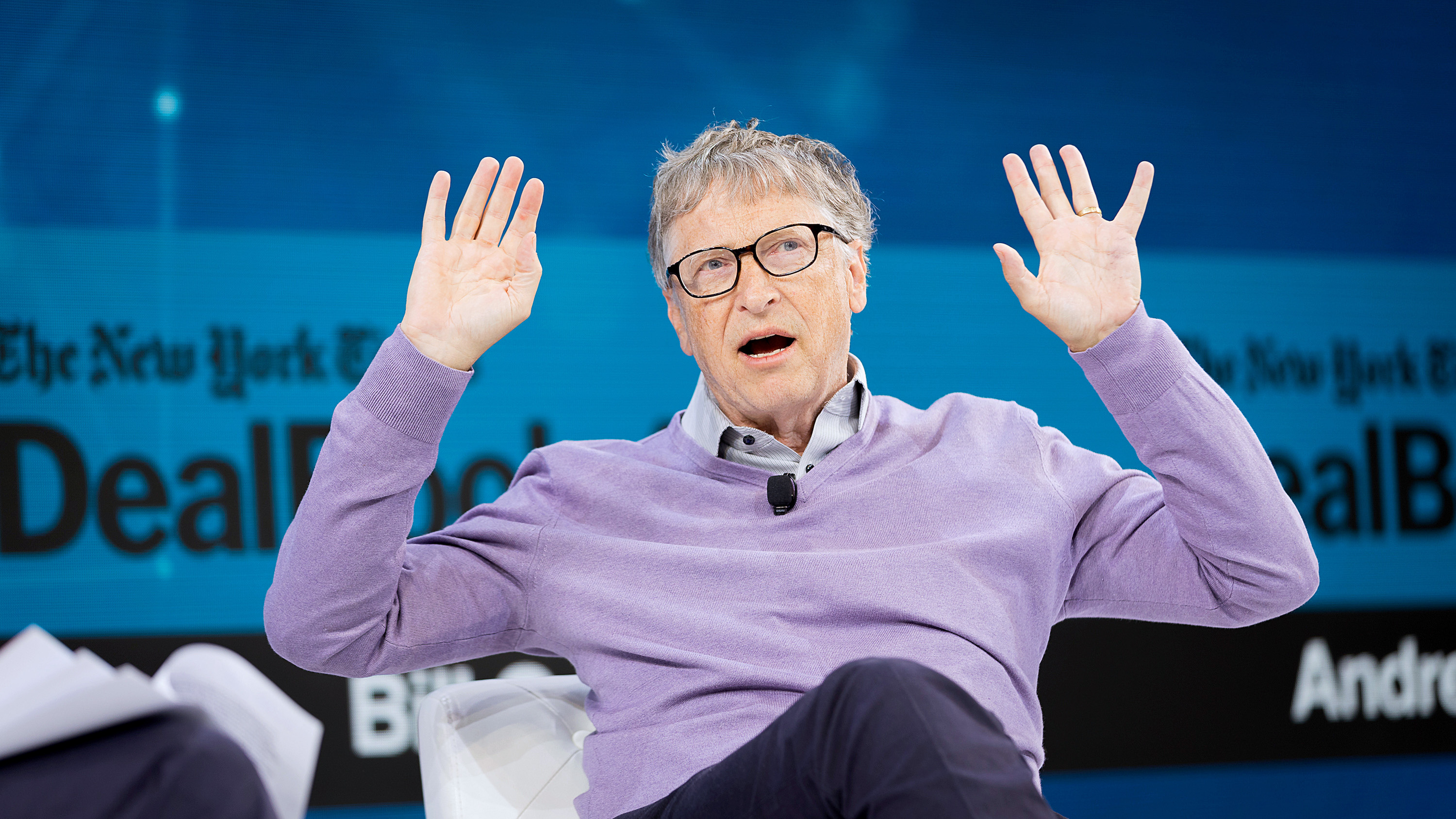
Another tech industry giant offered his outlook on what jobs AI may take over, including professors and even doctors.
Last year, Microsoft co-founder Bill Gates popped up on an episode of 'The Tonight Show Starring Jimmy Fallon' and provided some comments on the continued evolution of AI. “The era that we're just starting is that intelligence is rare, you know, a great doctor, a great teacher,” Gates said. “And with AI, over the next decade, that will become free and commonplace. Great medical advice, great tutoring.”
Gates even went so far as to question whether the traditional five-day work week will still exist with the rising presence of AI. “Should we just work two or three days a week?” he pondered. “So I love the way it'll drive innovation forward, but I think it's a little bit unknown if we'll be able to shape it. And so, legitimately, people are like ‘wow, this is a bit scary.’ It's completely new territory.”
Bottom line
Elon Musk and Bill Gates are both painting a future where AI and robotics don’t just assist workers — they take over major parts of the job market, deliver “great” tutoring and medical advice on demand, and leave humans free to spend less time working and more time creating.
And sure, parts of that vision sound plausible. But the idea of a world where jobs are optional and saving for retirement no longer matters isn’t exactly comforting.
Imagining classrooms overtaken by robotic tutors and humans being operated on by nothing but AI-powered doctors doesn’t seem all that crazy to conceive of. But here’s hoping that the human element that comes with those types of professions still takes precedent over a focus on robots doing all the work.

Follow Tom's Guide on Google News and add us as a preferred source to get our up-to-date news, analysis, and reviews in your feeds.