
Get all your news in one place.
100’s of premium titles.
One app.
Start reading
Windows Central
Windows Central
Technology
Sean Endicott

“My goal is to eliminate every line of C and C++ from Microsoft by 2030” — Microsoft bets on AI to re-write Windows (Update: Microsoft says no.)

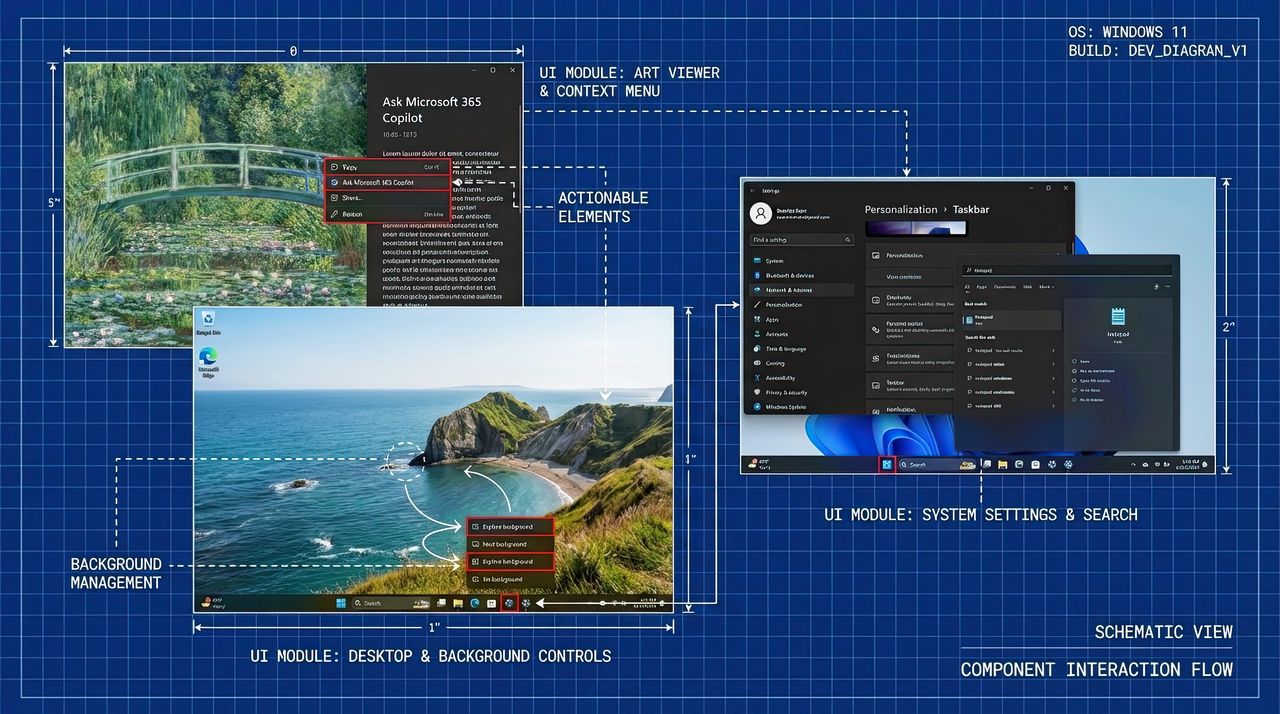
Screenshots of the latest Windows 11 Insider builds for December 2025.

Microsoft will soon have millions of lines of new code written to replace C and C++. A combination of AI, algorithms, and human-written code will overhaul massive libraries across Windows and other products.

Galen Hunt, a distinguished engineer at Microsoft, posted about a job opening for an IC5 Principal Software Engineer. The person who fills that role will be part of a team that translates Microsoft's C and C++ systems to Rust.

Rust is a modern programming language designed to make software faster and more reliable. Unlike older languages such as C and C++, Rust includes built‑in safeguards that prevent many common programming mistakes.

These protections help developers avoid bugs that can lead to crashes, security issues, or unpredictable behavior. While Rust can take some time to learn, the result is software that’s safer and more dependable.

Hunt shared the following on LinkedIn about the new role:

"My goal is to eliminate every line of C and C++ from Microsoft by 2030. Our strategy is to combine AI *and* Algorithms to rewrite Microsoft’s largest codebases. Our North Star is “1 engineer, 1 month, 1 million lines of code”. To accomplish this previously unimaginable task, we’ve built a powerful code processing infrastructure. Our algorithmic infrastructure creates a scalable graph over source code at scale. Our AI processing infrastructure then enables us to apply AI agents, guided by algorithms, to make code modifications at scale. The core of this infrastructure is already operating at scale on problems such as code understanding."

Considering Windows 11 has been out for years and Microsoft is just getting around to making a somewhat consistent dark mode, Hunt's goal of eliminating every line of C and C++ from Microsoft by 2030 seems ambitious. However, AI may speed up the process and there's a good chance the shift to Rust is a higher priority than making a dark mode for the Run prompt window.

Human engineers will rely on AI to rewrite Microsoft's code at a massive scale. (Image credit: Getty Images | Krongkaew)

Microsoft has been shifting parts of its code to Rust for years. As highlighted by Thurrott.com, Microsoft started rewriting parts of the Windows Kernel using Rust in 2023. Even though AI hadn't exploded into the public eye back then, Microsoft was already experimenting with using LLMs to translate C and C++ code into Rust.

Microsoft Corporate Vice President of Enterprise and OS Security David Weston spoke on the transition to Rust last year. An Azure blog post by Jeffrey Cooperstein from 2023 explained several benefits of transitioning to Rust.

"Decades of vulnerabilities have proven how difficult it is to prevent memory-corrupting bugs when using C/C++. While garbage-collected languages like C# or Java have proven more resilient to these issues, there are scenarios where they cannot be used. For such cases, we’re betting on Rust as the alternative to C/C++. Rust is a modern language designed to compete with the performance C/C++, but with memory safety and thread safety guarantees built into the language. While we are not able to rewrite everything in Rust overnight, we’ve already adopted Rust in some of the most critical components of Azure’s infrastructure. We expect our adoption of Rust to expand substantially over time."

Cooperstein highlighted the "major investment" Microsoft will make over several years regarding the move to Rust.

The new role advertised by Hunt will continue the work to modernize Microsoft's code as part of the Future of Scalable Software Engineering group in the EngHorizons organization in Microsoft CoreAI.

Is Rust better than C and C++ when it comes to coding?

Rust is better than C and C++ in several ways. Rust is safer, more secure, and generally easier to write in than C or C++.

Additionally, since Rust is much newer than C or C++, fresh code needs to be written. Some legacy code can feel like patchwork or "spaghetti code," making a fresh rewrite an improvement if done correctly.

C++ has a large ecosystem, so shifting to Rust can require more work.

What do you think about AI being used to replace Microsoft's code at a massive scale? Let me know in the comments.

Follow Windows Central on Google News to keep our latest news, insights, and features at the top of your feeds!

Sign up to read this article
Read news from 100’s of titles, curated specifically for you.
Already a member? Sign in here
Related Stories
Top stories on inkl right now
One subscription that gives you access to news from hundreds of sites
Already a member? Sign in here
Our Picks
Fourteen days free
Download the app
One app. One membership.
100+ trusted global sources.