
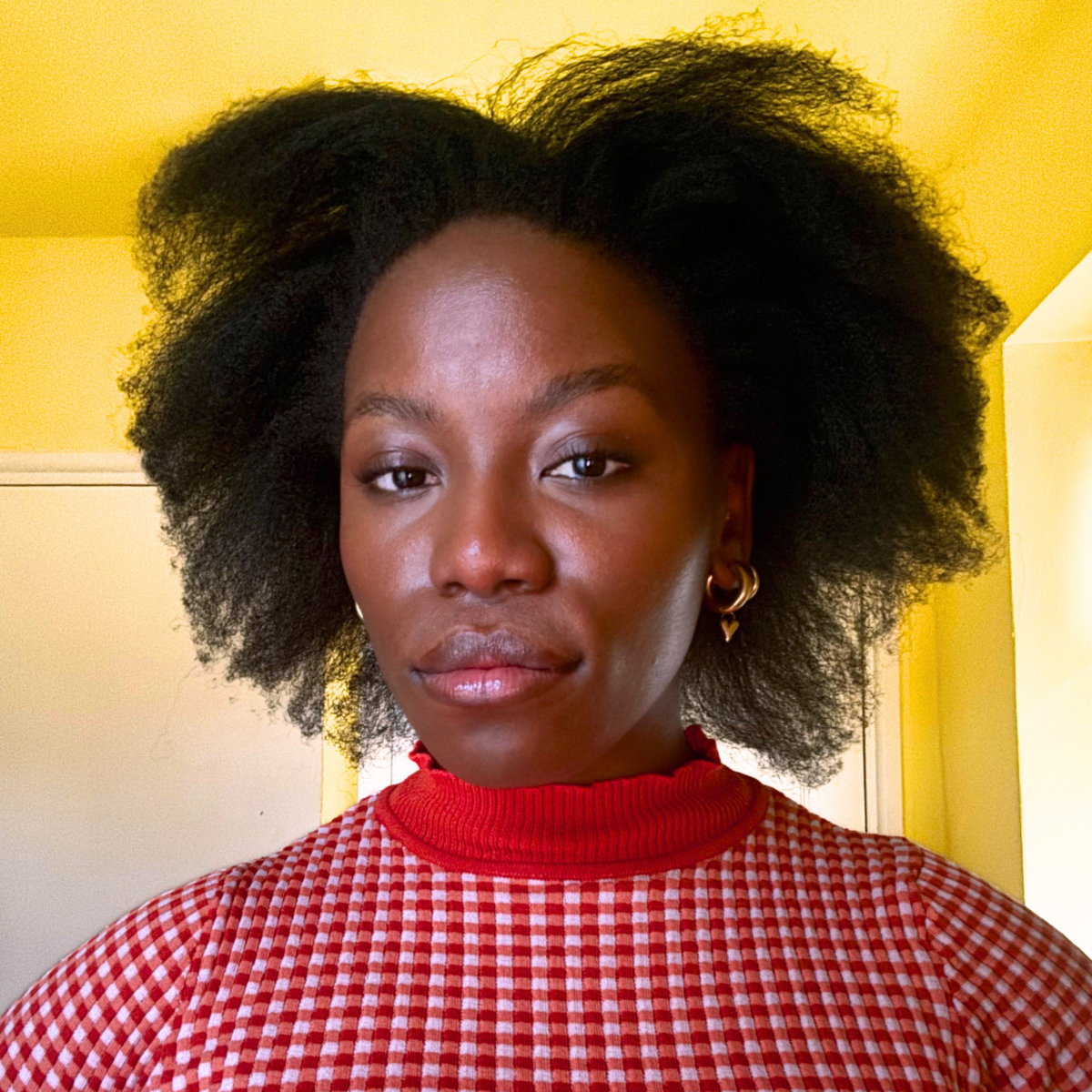
Growing up, my family had very specific hair categories. One of my older sisters had 'long hair'—the kind that cascaded past her shoulders and invited endless questioning about her diet and my mother's choice in products. The eldest sister had the 'thick hair', a dense, enviable crown that, as we grew older, seemed impermeable to damage from dyes and 'unique' styling. And then there was me, the youngest of three, with hair that, despite all the same genetics and environment, never quite got the memo about growing past my shoulders. So, whenever wash day came around, I became used to my mother uttering the same gentle assurance, "Oh, but Ata has the 'softest' hair."
The older I got, the more I realised that this use of diplomatic euphemism was her way of sidestepping the conversation that many Black women have faced when their hair doesn't possess the length or curl pattern traditionally coveted. However, it inadvertently taught me early on that my tight, 4C coils were something to be carefully reframed or corrected. Since then, for as long as I can remember, society has insisted that a Black woman’s relationship with her hair must fit into one of two sweeping arcs.















