- At CES, Bosch's North American president said that due to the changing political landscape in America, about 70% of vehicles sold here will still have an internal-combustion engine in 2035.
- But those could take many forms, including hybrids, plug-in hybrids and extended-range electric vehicles.
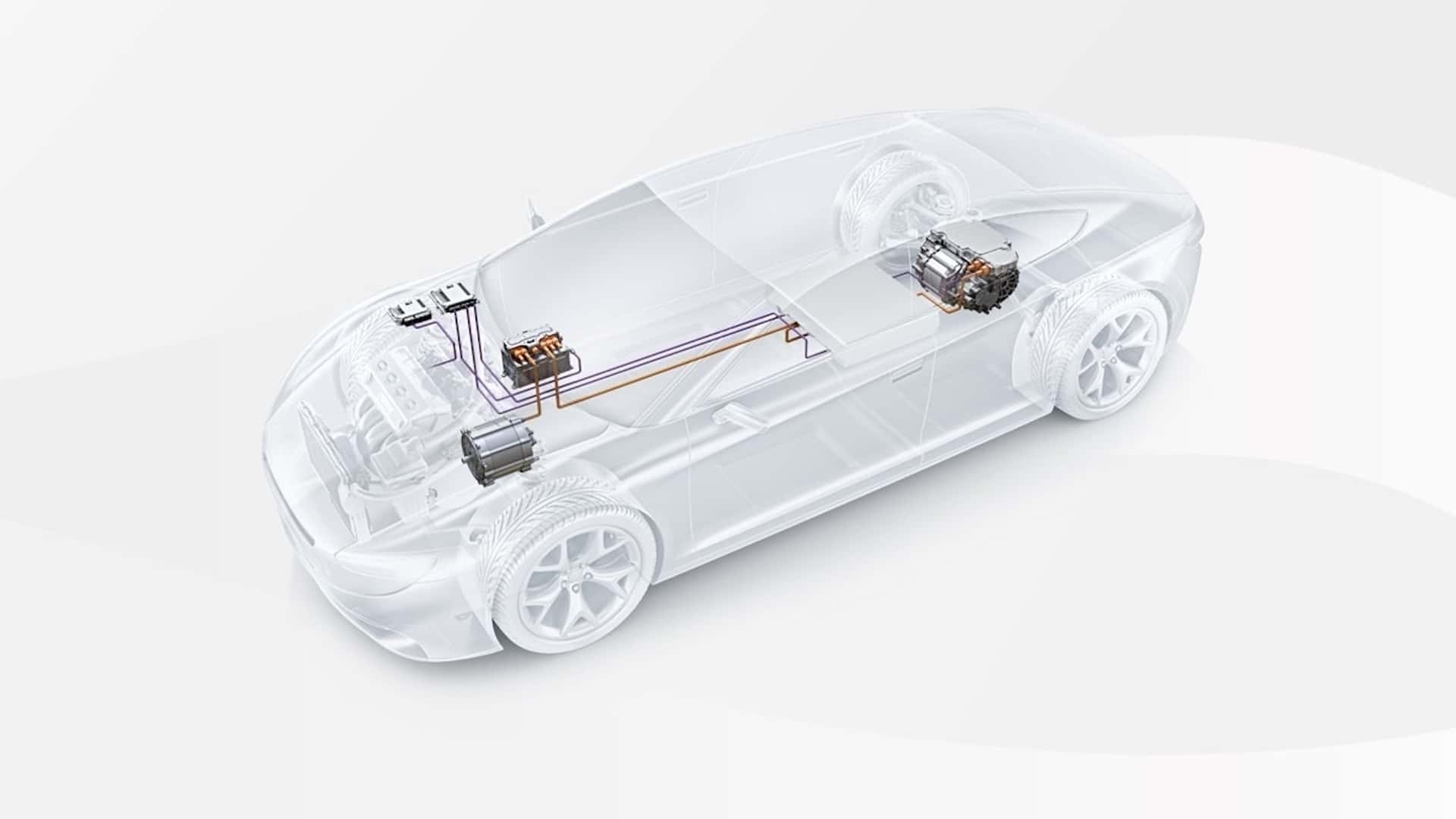
- The German giant isn't all-in on gas, though, as it's a key supplier for both hybrid and EV components.
The German firm Bosch is one of those companies that has its hands in a bit of everything. Under its corporate umbrella, it engineers everything from smart refrigerators to home cooling systems, fuel injectors for gas cars, electric motors for battery-powered ones and everything in between. It even makes sensors in your iPhone.
But as Bosch continues to develop more advanced electric-vehicle components and makes a big push into artificial intelligence as well, the company is now taking a much longer-term view of internal combustion than it once did. It now insists that gas engines will be around for a while, especially in North America.
"Up through 2035, there will be [internal combustion] technology in 70% of vehicles," said Paul Thomas, the president of Bosch in North America and the local head of its mobility business. Thomas later clarified that this figure refers to the North American market, and not elsewhere in the world.
But he also offered a qualifier about just how those engines might be used. "Now, will they have a range extender on that vehicle? Will they have a mild hybrid or a strong hybrid? We think so, and we do think battery electric vehicles will still have a place in the market—that hasn't changed much from what I said last year, which is that the ramp-up of electrification has changed based upon consumer demand."
That may come as a letdown to EV fans, since it comes from the world's largest automotive supplier. But it may also be a reflection of reality for Bosch, which went from rapid growth in the electrification space at the beginning of this decade to multiple rounds of job cuts in 2025 as EV demand cooled off. In 2024, Bosch predicted that purely electric cars would make up 40% to 50% of the market in North America and China.

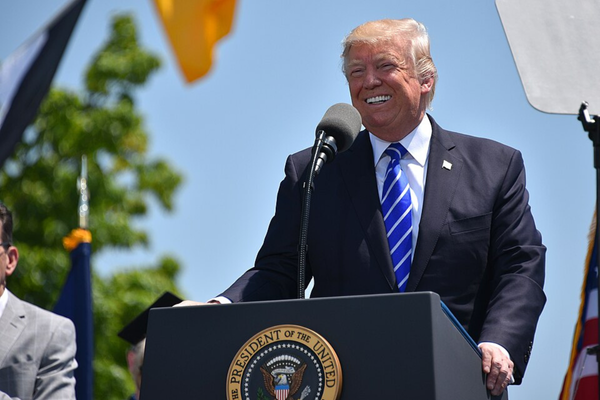
But last year, China pulled soundly ahead of that estimate, with EVs already making up half of new car sales. Meanwhile, the U.S. retreat on pro-EV policy implemented under President Donald Trump—including an end to EV tax credits and fuel economy rules—has slowed the market considerably. Along with being forced to offset new tariff costs, automakers are now leaning into more profitable gas-powered models and waiting for battery costs to go down and drive a new crop of more affordable EVs.
Thomas said that Bosch has dealt with this upheaval by keeping a lot of irons in a lot of fires. "We've been very balanced on our approach to electrification, to hybrids and and to, let's call it 'natural propulsion'," he said, meaning gas-powered vehicles. But he stressed that hybrids, more advanced technologies and extended-range EVs—where a gas engine serves as a generator to recharge the battery—will push the field forward. That 70% figure, Thomas said, could refer to any of those vehicles.
By 2035, Bosch expects EVs to only make up about 30% of the total U.S. market, specifically, he said.
Meanwhile, even as the U.S. eases its fuel economy rules and the European Union backs off a plan to ban internal combustion by 2035, Thomas said it's necessary for Bosch to keep working on cleaner, better engines.
"We're still 100% investing in the right technology to keep the engines moving in the right direction related to emissions," he said. The worst thing that I believe could happen is that suppliers rest on their laurels and don't keep improving the internal combustion engine."
Thomas's comments contradict what many EV advocates and all-electric companies claim: that as battery technology evolves and gets cheaper over time, customers will choose them naturally as better products, not purely because of incentives.
“I really think the constraint isn’t the demand side. I think it’s the supply side,” Rivian CEO RJ Scaringe told Fortune in December. “I do think that the existence of choice will help drive more penetration, and it actually creates a unique opportunity in the United States.”
Contact the author: patrick.george@insideevs.com