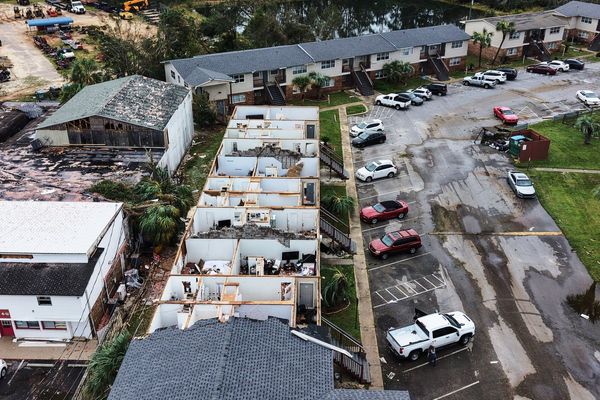
On a scorching summer day, a city street can become more than just a route for traffic. Dark asphalt absorbs the sun’s energy, stores heat and releases it back into the surrounding environment, adding to the discomfort of already hot neighborhoods. At the same time, when heavy rain arrives, the same sealed surfaces can send large volumes of water rushing toward drains and sewers.
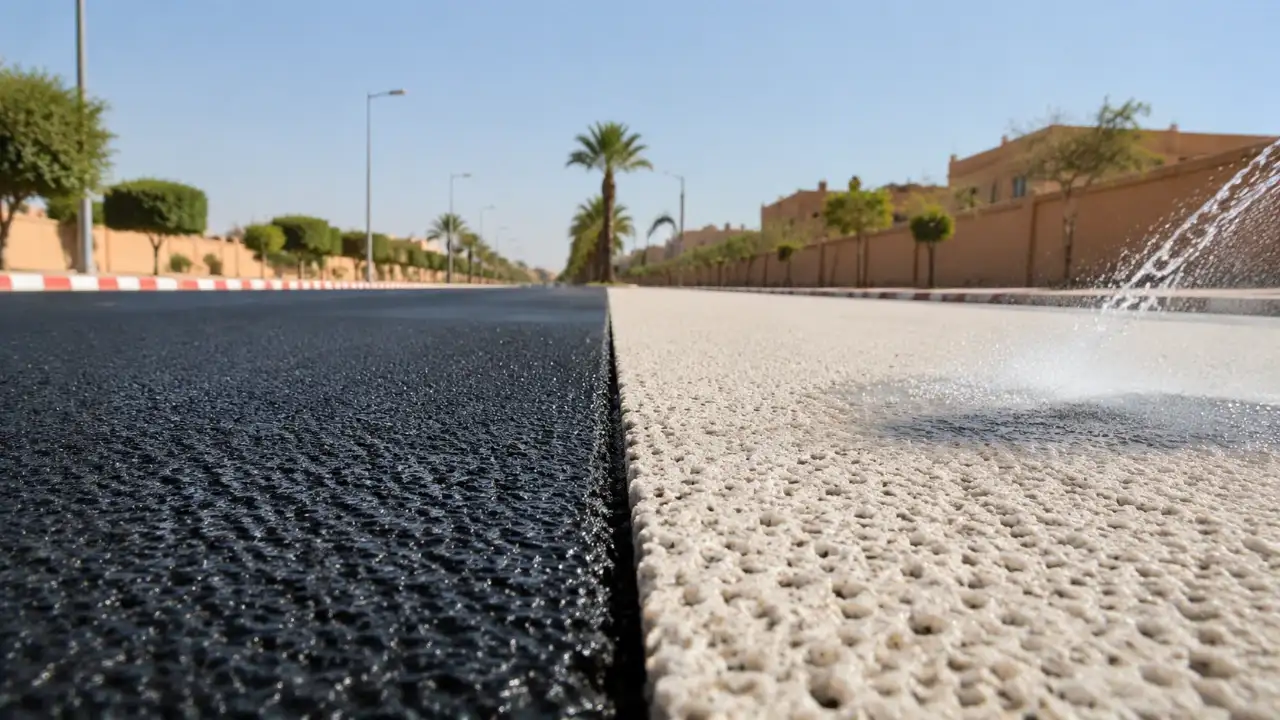
Now, limited experiments reported in parts of Marrakech and Agadir are exploring whether pavement can work differently. Instead of relying entirely on conventional bitumen, selected urban surfaces are being tested with permeable pavement that enables water to move below the surface. The approach, sometimes termed as “sponge” pavement, could offer two potential advantages at once: better management of rainfall and lower pavement temperatures when moisture is available.