For students securing admissions into India’s premier institutions, including the IITs, IIMs, and top Law, Design, Architecture, Science and Humanities institutions, the financial strain of a world-class education can often be daunting. The Arunkumar & Ramniklal Mehta (ARRA) Scholarship steps in to bridge this gap, offering not just full tuition and living expenses, but a lifelong community of cross-disciplinary mentorship for exceptional, merit-driven individuals.
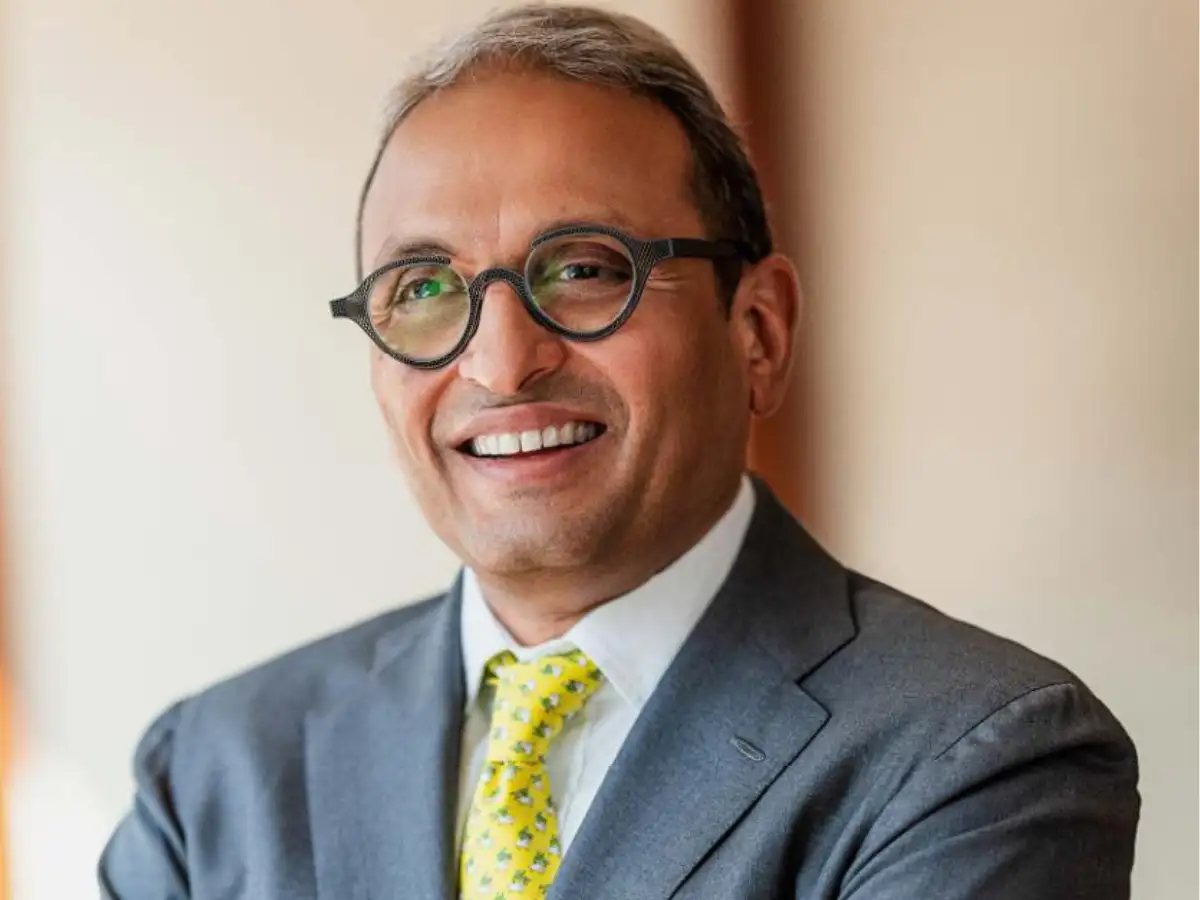
With applications for the 2026-27 academic cohort currently underway, Russell Arunkumar Mehta, Chairperson of the ARRA Scholarship and Director of the Rosy Blue Foundation, shares his insights.

In this interview, he discusses the vision behind the initiative, the importance of holistic student well-being, and what it truly takes to shape India’s future leaders.
What inspired you to create this scholarship, and what gap did it address?
Arunkumar & Ramniklal Mehta (ARRA) Scholarship isn’t built on the idea that a student can’t afford their fees. By the time someone applies, they have already secured admission to one of India’s finest institutions, often having stretched, borrowed or made real sacrifices to pay that fee themselves. That’s precisely where the real gap shows up. Exceptional, merit-driven students rarely get recognised or supported beyond what they’ve already achieved, even though staying the course at a top institution can quietly strain a family for years, especially when that talent has come from a smaller town or village, where access to the right resources and exposure is itself limited. We wanted to change that, covering full tuition and living expenses for the very best, so they can give their best to their education without financial tension, while also building a community of mentorship around them. Our part is to take care of the rest, so they can focus entirely on growing, no matter where they started from.
Why did you choose an interdisciplinary model, supporting students across management, engineering, medicine, law, architecture and design?
Innovation happens at the intersection of disciplines. When future doctors, engineers, lawyers and designers learn from one another, they think bigger and develop into well-rounded leaders who can solve real-world problems, not just excel in their own field. We’re not chasing a particular discipline, we’re chasing future leaders, and they could come from any of these fields. What matters to us is who they are, not what they happen to be pursuing.