Get all your news in one place.
100's of premium titles.
One app.
Start reading
The Times of India
The Times of India
World
TOI World Desk

More than 117,000 unplugged orphan oil and gas wells are documented across the US, with abandoned wells estimated to leak up to 281,000 tons of methane a year

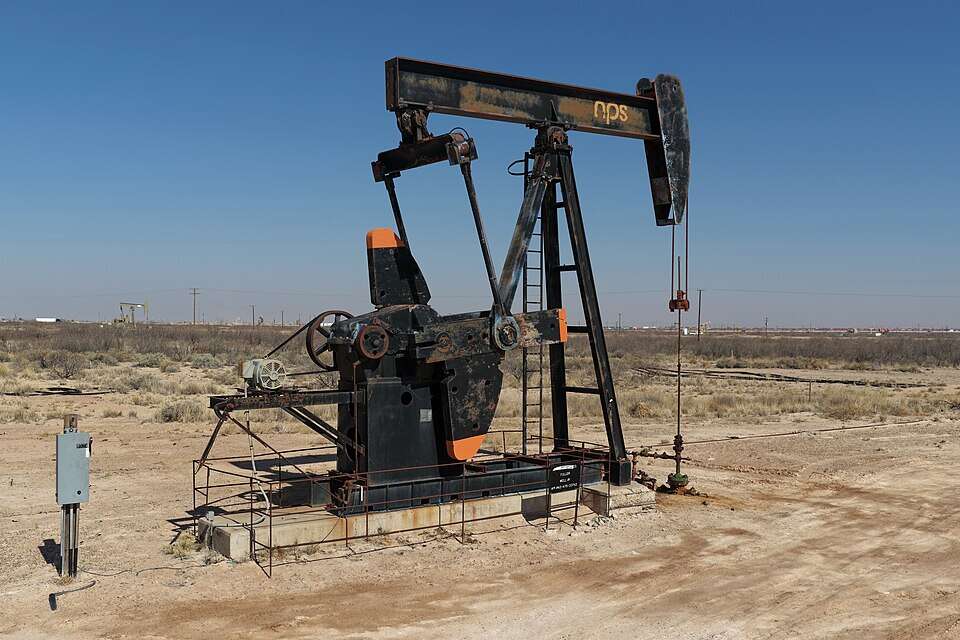
Thousands of old oil and gas wells, located underneath forests, farmlands and even housing estates throughout the US, no longer provide fuel but continue to pose environmental risks. The issue of abandoned oil and gas wells, some of which are decades old, has become a growing concern for the US government, which has struggled to secure enough funding to seal them.

Get breaking news anytime, anywhere. Download the TOI app now!

The US Geological Survey (USGS), under the Department of the Interior, documented 117,672 unplugged orphaned oil and gas wells across 27 states and noted that many more undocumented wells could exist because of incomplete historical records.

According to a Reuters investigation published in 2020, abandoned oil and gas wells in the US could release up to 281,000 tons of methane annually. The scale of the problem has pushed federal and state authorities to undertake large-scale cleanup efforts, although plugging every abandoned well is expected to be extremely expensive.

What are abandoned oil and gas wells?

When oil and gas wells are depleted, they remain in place. After they stop producing commercially viable fuel, wells need to be properly plugged, usually with materials such as cement, to prevent the leakage of gases and fluids. “Orphan wells” are wells with no traceable owner, whereas abandoned wells may still have an owner but are no longer productive.

The US Department of the Interior says orphaned wells may emit methane if they are not properly plugged and remediated. These wells are spread across oil-producing states such as Pennsylvania, Texas, California and New Mexico, and many have been abandoned for decades after oil extraction ended. Some are located in remote forests and farmlands, while others are found close to homes, roads and communities.

Why do abandoned wells pose climate threats?

The biggest environmental concern linked to abandoned wells is methane leakage. Methane is a potent greenhouse gas that contributes to global warming. According to the Intergovernmental Panel on Climate Change (IPCC), methane has a much stronger warming impact than carbon dioxide over a 20-year period. According to climate experts, reducing methane emissions is one of the fastest ways to slow warming.

The 2021 study published in Environmental Science & Technology highlighted uncertainty in methane emission estimates because abandoned well inventories are incomplete and many older wells are difficult to locate. The researchers based their analysis on 598 direct methane measurements from abandoned wells in the US and Canada.

The study found that there could be millions of abandoned wells in North America, while also highlighting uncertainty because many older wells are difficult to locate and historical records remain incomplete.

What will be the cost of resolving the issue?

Plugging abandoned wells is costly because each location must be assessed separately. The cost can vary depending on factors such as the depth of the well, its location and the condition of the site.

As the US Government Accountability Office (GAO) notes, orphan well restoration costs vary widely depending on factors such as well depth and site conditions.

With a large number of wells requiring repair, the overall cleanup bill could reach tens of billions of dollars, according to estimates from environmental groups and industry analyses. Many of the companies that drilled these wells no longer exist or have declared bankruptcy, so taxpayers often end up paying for cleanup.

Billions allocated by Washington for cleaning up

The US federal government launched one of the nation’s biggest abandoned-well remediation programmes through the Bipartisan Infrastructure Law, which was signed into law in 2021. According to the US Department of the Interior, the Bipartisan Infrastructure Law provides $4.7 billion to plug, remediate and reclaim orphaned oil and gas wells and associated facilities. The funding will support efforts to identify, plug and restore abandoned wells. However, environmental organisations say the money may not be enough to clear the entire backlog.

Are there job creation opportunities through plugging the wells?

Beyond environmental cleanup, the initiative could also create jobs, especially in areas where oil and gas workers have lost jobs as the sector changes. According to an analysis by the BlueGreen Alliance , federal investment in cleaning up orphaned oil and gas wells could create thousands of employment opportunities.

The organisation’s analysis found that the Infrastructure Investment and Jobs Act’s $21 billion investment in cleaning up Superfund sites, Brownfields, abandoned mines and orphaned wells could create more than 150,000 jobs over the next 10 years, including over 33,000 jobs linked specifically to orphaned well cleanup.

The group said these jobs would include direct, indirect and induced employment opportunities and could suit workers with experience in drilling, construction and energy-related sectors. Advocates argue that current oil and gas workers already have many of the skills needed to plug the wells.

A hidden legacy of America’s oil boom

For over a century, oil and gas production contributed significantly to economic growth in the US. However, thousands of abandoned wells left behind from that era now represent an environmental liability for future generations. As governments work to cut methane emissions, plugging abandoned wells has become one practical climate measure in the US.

Sign up to read this article
Read news from 100's of titles, curated specifically for you.
Already a member? Sign in here
Related Stories
Top stories on inkl right now
One subscription that gives you access to news from hundreds of sites
Already a member? Sign in here
Our Picks
Fourteen days free
Download the app
One app. One membership.
100+ trusted global sources.