If there is one point on which most Americans will almost certainly agree, it is that we have had more than our fill of pandemics. Though COVID-19 was the first pandemic in the U.S. in about a hundred years, the nation's history is littered with examples of pandemics and epidemics long before COVID-19: A 1793 yellow fever outbreak that forced President George Washington to flee Philadelphia and a 1918 influenza pandemic that kicked the United States while it was still down from World War I are just two of the most prominent examples.
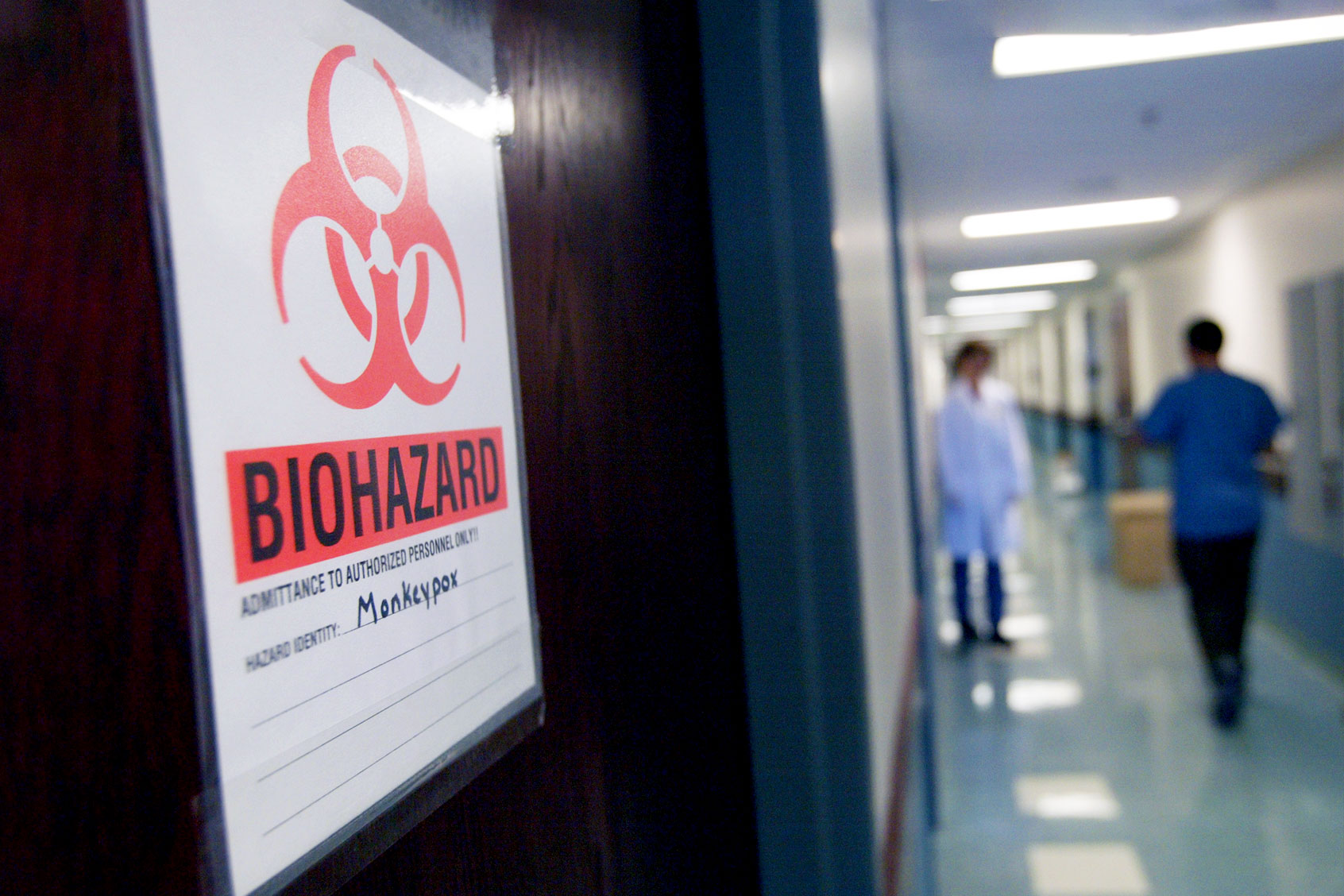
Yet not all pandemics — or epidemics, even — are the same. That's why public health officials strike a balance between keeping an eye on potential outbreaks and avoiding alarmist language. This is the situation Americans now face with monkeypox: According to the Centers for Disease Control and Prevention (CDC), the exotic-sounding ailment can cause symptoms like painful rashes that can appear all over your body, swollen lymph nodes, muscle aches, backaches, headaches, fever, fatigue and chills. Eventually lesions form and progress through a number of stages before falling off. Most people will recover within two to four weeks after developing symptoms, although it can be fatal for as many as one out of 10 people. Current data from this strain suggests a 3.6% fatality rate, according to the European Centre for Disease Prevention and Control.