Get all your news in one place.
100’s of premium titles.
One app.
Start reading
The Times of India
The Times of India
Lifestyle
TIMESOFINDIA.COM

Monitoring body temperature using smartwatch holds key to detecting chronic diseases in the future

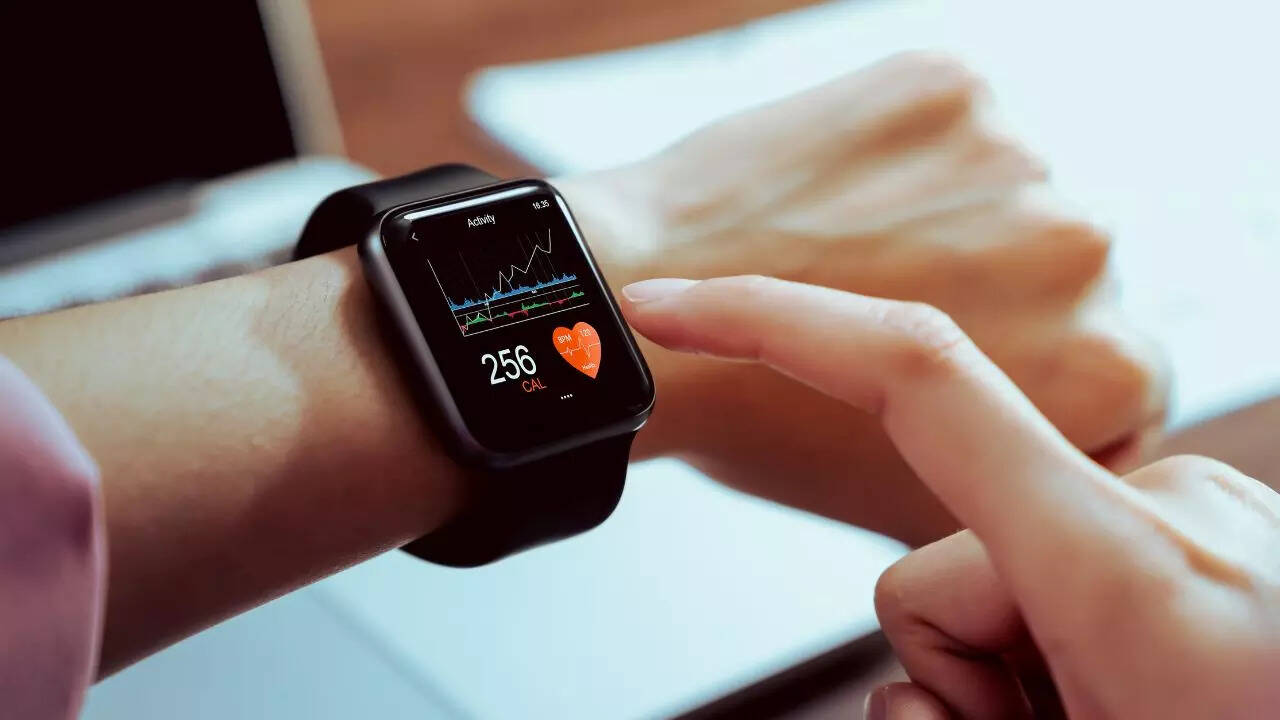
A recent study by the Perelman School of Medicine published in the journal Nature Communications found that continuous measurement of body temperature using smartwatches can help in the early detection of chronic diseases like- type 2 diabetes, hypertension, liver disease, kidney failure, and many more.

The study

Researchers collected data from more than 92,000 UK Biobank members who participated in this study, and data from one week of their regular daily activities, like sleep, was gathered. The participants' wrist temperature rhythms, which chart their body temperature fluctuations from day to night, were observed. This included aspects influenced by environmental factors, such as a drop in core temperature during sleep, as well as circadian and sleep-wake behaviors.

Key findings

<p>Risk of type-2 diabetes </p>

The subjects who had a lower day-night difference in their wrist temperature readings exhibited greater chances for future development of chronic diseases, according to the researchers, who discovered that up to 73 distinct medical conditions were substantially connected with decreased diurnal temperature rhythm. Nonalcoholic fatty liver disease (NAFLD), which had a 91 percent higher risk for these participants, came in second, followed by Type 2 diabetes with a 69 percent higher risk, renal failure with a 25 percent higher risk, hypertension with a 23 percent higher risk, and pneumonia with a 22 percent higher risk.

Implications

The lead author of the study, Thomas Brooks, told Penn News that this research adds to the existing body of knowledge that highlights the value of maintaining consistent circadian habits, which include things like going to bed and waking up at the same times every day, as well as regular physical activity.

Future studies can build on this study and gather more information using smartwatches or similar wearable devices, which can provide real-time data on various aspects of a person's physiology, for which researchers can include a broader range of participants in terms of age and diversity. This is important because it implies a desire to ensure that the findings are applicable to a more representative cross-section of the population, rather than being limited to a specific group.

Carsten Skarke the study’s senior author, told Penn News “These findings indicate the potential to marry emerging technology with health monitoring in a powerful new way." He underscored the potential of technology to play a significant role in healthcare and disease prevention. Wearable technology like smartwatches, with their built-in sensors, can provide valuable health data that aids both individuals and their healthcare providers in assessing health risks and determining appropriate care measures.

Read more: How often do women need to check PCOS?

Read more: Cancer: Woman misdiagnosed twice before it was found she had bowel cancer

Sign up to read this article
Read news from 100’s of titles, curated specifically for you.
Already a member? Sign in here
Related Stories
Top stories on inkl right now
One subscription that gives you access to news from hundreds of sites
Already a member? Sign in here
Our Picks
Fourteen days free
Download the app
One app. One membership.
100+ trusted global sources.