
Get all your news in one place.
100’s of premium titles.
One app.
Start reading
GOBankingRates
GOBankingRates
David Nadelle

‘Money Is Not Just Math; It’s Behavior’ — 5 Bad Habits Dave Ramsey’s Mindset Can Help You Break

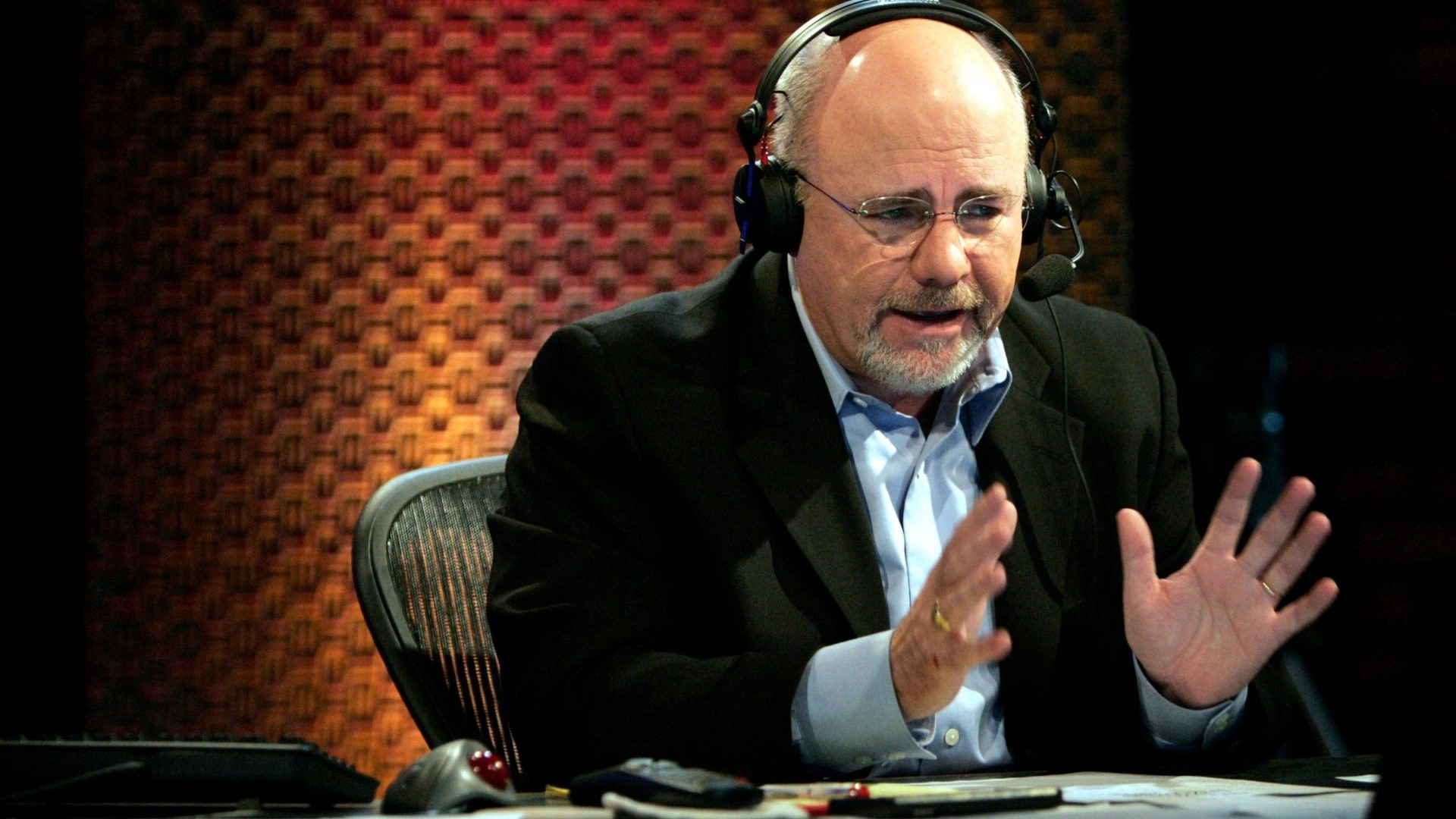
Mark Humphrey/AP/Shutterstock

In 2026, with rising costs and economic uncertainty, mastering your money mindset is more important than ever. Dave Ramsey’s philosophy, “Money is not just math; it’s behavior,” highlights why financial success depends on habits, discipline and intentional choices — not just calculations. 

Ramsey has said, “Personal finance is only 20% head knowledge. The other 80% — the bulk of the issue — is behavior. And it’s our behaviors with money that can get us into the biggest trouble or lead us into the biggest successes.”

Here are five bad money habits that you can start breaking today by applying the mindset that money is more than just math.

1. Overspending

Ramsey’s daughter Rachel Cruze has stated, “If you want to get to the root of why you behave the way you do — why you spend, save, use debt, put off investing and more — you’ve got to learn about how the psychology of money affects you.”

The gap between living and living well is narrowing all the time. With life’s essentials costing more than ever — and savings and paying off debt becoming more important than ever — non-essentials, or wants, need to take the hit.

Read Next: 8 Frugal Habits You Should Never Quit, According to Frugal Living Expert Austin Williams

For You: 6 Things You Must Do When Your Savings Reach $50,000

Even in the best of economic times, you should be focusing on trimming your discretionary spending on stuff like entertainment, hobbies, leisure and travel expenses. Resisting impulse buys and getting rid of any unused streaming platforms and meal delivery services will leave you with more money to save, pay off debt and invest. Pause before buying anything non-essential, and you will find that most discretionary expenses can wait.

2. Bad Budgeting

Of course, every personal financial situation depends on a number of factors: what you earn and owe, your cost of living and your financial goals. But bad spending and saving behaviors are common to all and can be broken by practicing better self-discipline with your money.

Whether you use the 50-30-20 rule or ruthlessly track every penny that comes and goes, it’s essential to make a budget, stick to it and review it regularly so you can control short-term expenses and meet long-term needs.

A small change like a hike in your insurance rate can funnel funds away from other pressing obligations. So, picking a system and monitoring it frequently is essential to give you a clear idea of your goals and how to achieve them.

3. Not Saving for the Future

The constant pressure to spend can create bad money habits and derail your financial future. While “living in the moment,” is a noble intent, doing so can damage all the future moments that life brings.

We’re always confronted with the choice between spending and saving, and we always will be, but making smarter decisions now will benefit you and your loved ones immensely in the future.

Taking little steps like automating a portion of your pay to a savings account, cutting costs where possible, supplementing your income and funding a retirement account will ensure that there is money available for big future expenses like buying a home, putting your children through college or simply enjoying retirement.

4. Not Setting Up an Emergency Fund Savings

For money experts like Ramsey, who preach foundational wealth building based on saving and staying debt-free, any money that would normally go to discretionary purchases should go toward paying off debt and building an emergency fund.

Most experts believe you should have enough money in your emergency fund to cover at least three to six months’ worth of living expenses. Some believe that you should strive for a nine-month emergency nest-egg, given the current economic climate. Regardless, start by estimating your costs for critical expenses (what you would need in the event of a job loss or major catastrophe), then expand it if necessary. The important thing is that you’ve started saving something.  

5. Relying on Credit Cards

Everyone knows credit cards are traps. They’re useful in some instances, but traps, nonetheless. To get out from under card debt takes restraint, but it can be done if you reign in your use, pay more than the minimum and use your budget to regulate purchases placed on credit cards.

Just like better nutrition and exercise will improve your health, there is no downside to advancing your personal finances through smarter spending and saving behaviors. It’s up to you to change your behaviors and break those bad habits sooner rather than later.

Caitlyn Moorhead contributed to the reporting for this article.

More From GOBankingRates

This article originally appeared on GOBankingRates.com: ‘Money Is Not Just Math; It’s Behavior’ — 5 Bad Habits Dave Ramsey’s Mindset Can Help You Break

Sign up to read this article
Read news from 100’s of titles, curated specifically for you.
Already a member? Sign in here
Related Stories
Top stories on inkl right now
One subscription that gives you access to news from hundreds of sites
Already a member? Sign in here
Our Picks
Fourteen days free
Download the app
One app. One membership.
100+ trusted global sources.