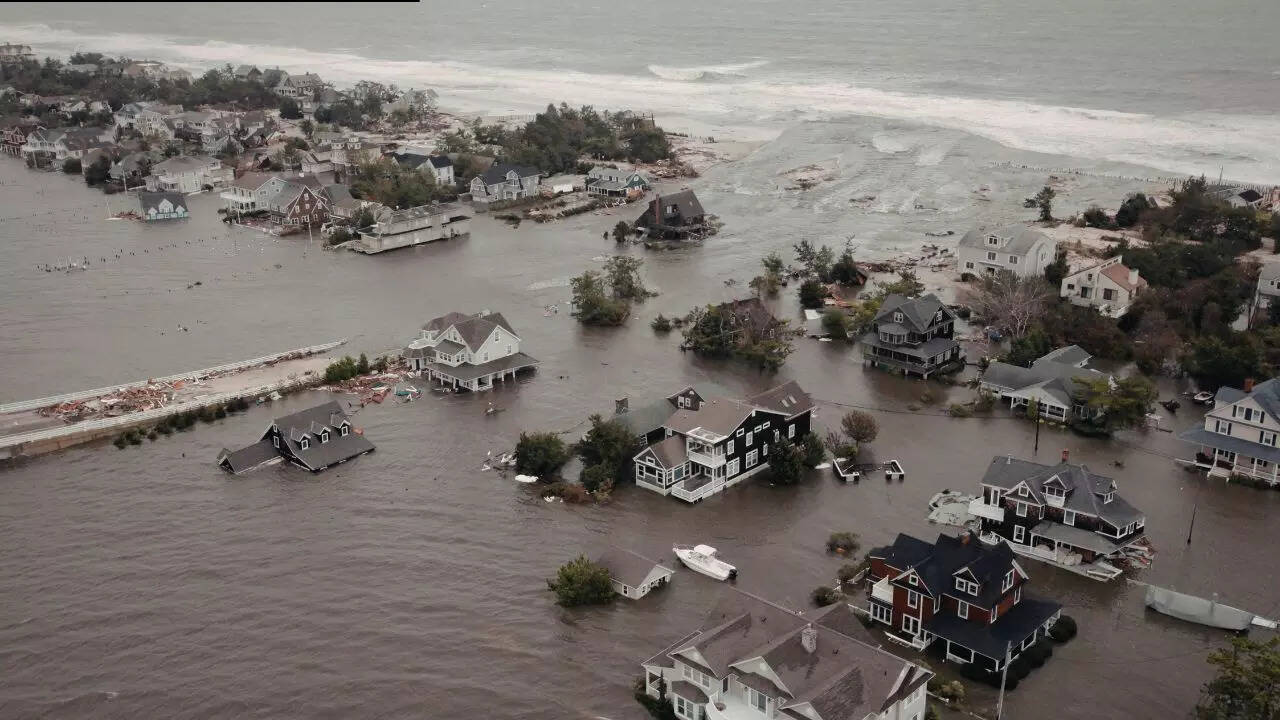
Sea level rise has long been viewed as a concern of the future, discussed in abstract forecasts and maps. Nonetheless, population growth along the US shoreline has been rapid, particularly in low-lying areas. A new study combines these two patterns. Instead than asking who is at risk now, it looks ahead, integrating sea level rise scenarios with comprehensive population predictions until the year 2100. The method avoids broad averages and instead concentrates on specific places where people actually dwell. What emerges is a calmer, more unsettling picture. Many future occupants are projected to live on land below high tide levels. The data show that the scale of exposure was underestimated due to timing rather than error.