Get all your news in one place.
100's of premium titles.
One app.
Start reading
AAP
AAP
Tom Wark

Migrant workers' exploitation costing billions in wages

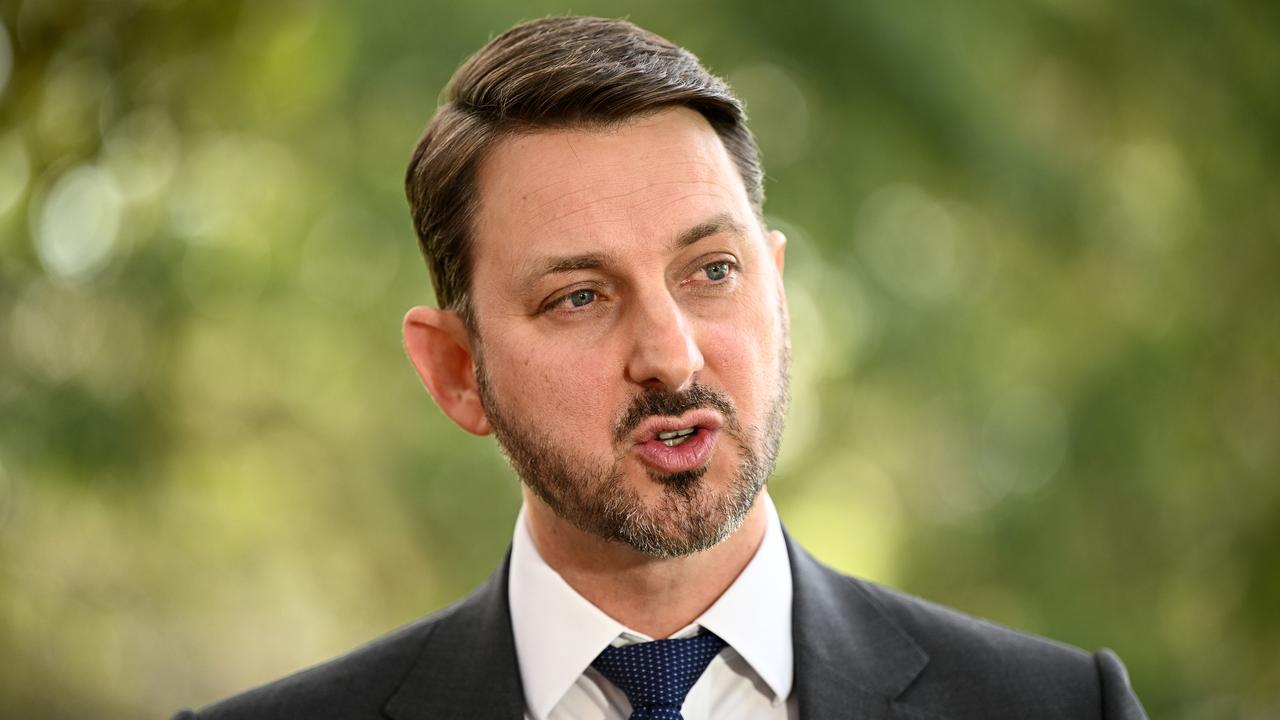
Anti-Slavery Commissioner James Cockayne said the report details how employers rip off migrants. (Dan Himbrechts/AAP PHOTOS)

Two-thirds of migrant workers are underpaid, according to a major survey a prominent anti-slavery official is pleading becomes a wake-up call.

Australia's first in-depth study of migrant worker exploitation since the pandemic showed international students alone are short-changed about $3 billion in unpaid wages each year.

The Migrant Justice Institute, which published the report, surveyed nearly 10,000 temporary visa holders and found a widespread system of exploitation causing grave concern from modern slavery prevention advocates.

NSW Anti-Slavery Commissioner James Cockayne said intricate details of the lengths dodgy employers will go to rip off migrant workers revealed in the report make it a true catalyst for change.

"(The report) captures how insecure work arrangements, sham contracting, misleading pay slips and cash-in-hand payments operate together as part of a single system," Dr Cockayne said.

"It also highlights the barriers many migrant workers face in seeking help."

One worker whose testimony was included anonymously in the report spoke about the uncertainty they dealt with on a daily basis.

"They paid me in cash, but every day was different, it was what the owner considered for the day (sometimes she paid me $18 an hour others $20, $19)," the former spa worker said.

"Those were long work days ... I only had a five-to-10 minute break while I had lunch and that was it."

The interlocking systems of dodgy payments, contracts and lack of documentation allows unscrupulous employers to cover their tracks, the report found.

The use of Australian Business Numbers allows migrant workers to be paid 'off the books' and reduce the oversight that can be performed by regulators, with around 70 per cent of migrant workers paid below the minimum wage.

All states and territories must work together to create a strong framework of protections applied universally across Australia, the national anti-slavery commissioner said.

"These are not isolated cases of bad employers. This is a system that produces vulnerability at scale, and enables willing employers to exploit it," Chris Evans said.

"Piecemeal band-aid measures will not change an entrenched culture of exploitation."

Expanding proactive detection of exploitative practices and introducing a national Labour Hire Licensing Scheme are some of the recommendations suggested in the report.

The Institute also wants a dedicated Fair Work Court established to ensure migrants are able to recover the wages they are owed.

Sign up to read this article
Read news from 100's of titles, curated specifically for you.
Already a member? Sign in here
Related Stories
Top stories on inkl right now
One subscription that gives you access to news from hundreds of sites
Already a member? Sign in here
Our Picks
Fourteen days free
Download the app
One app. One membership.
100+ trusted global sources.