
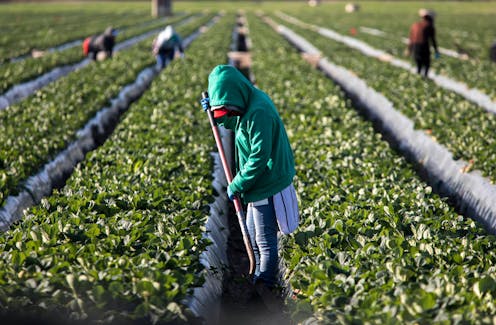
Across Western Europe, and the rest of the Global North, migrants do an increasingly large share of agricultural work. Though the issues caused by this vary among countries, there are universal problems such as workers being paid lower salaries than promised, and substandard, overcrowded housing that lacks sanitation and basic services. Generally speaking, migrants work in the countryside, and do the hardest, most dangerous, or lowest paid tasks that the local population refuses to carry out.
This begs the question of what drives workers to accepts these jobs. Social research on the ground has revealed various motivations. Among them are wages that, although low, are often higher than those in a migrant worker’s place of origin. Agriculture is also rife with informal work, meaning it is often the only available source of employment for migrants without work permits.












