Get all your news in one place.
100's of premium titles.
One app.
Start reading
International Business Times
World

Middle East Airports Chaos 2026: Full List of Closed vs Open Hubs Amid Iran War

Air travel across the Middle East remains in turmoil as of late March 2026, with major airports operating under severe restrictions or partial closures following U.S.-Israeli strikes on Iran and retaliatory actions that triggered widespread airspace shutdowns.

The conflict, which escalated in late February, forced immediate closures at key hubs connecting Europe, Asia and Africa. While some facilities have resumed limited operations, thousands of flights stay canceled, stranding passengers and forcing airlines to reroute or offer refunds. Travelers should check directly with carriers and avoid heading to airports without confirmed bookings.

Here is the latest status of major Middle East airports, based on official notices, airline updates and flight tracking data:

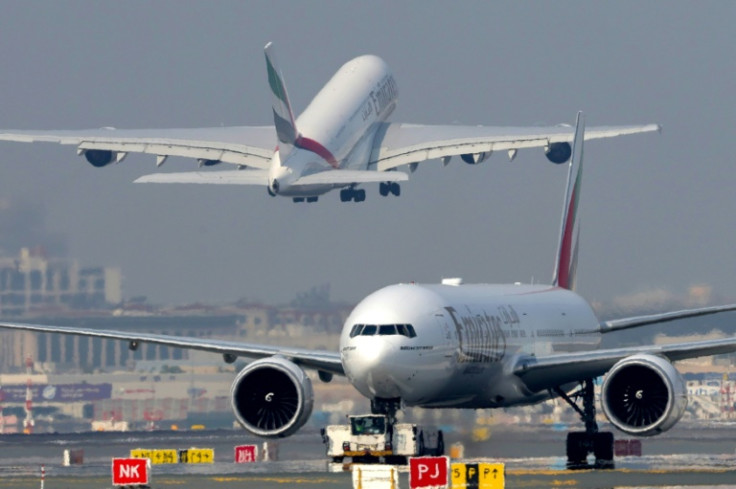
  • Dubai International Airport (DXB), United Arab Emirates: Partially open with limited operations. Emirates and flydubai run reduced schedules focused on repatriation, cargo and approved flights. Many services remain suspended or heavily delayed. Al Maktoum International (DWC) follows similar restrictions. Passengers report significant backlogs.
  • Zayed International Airport (AUH), Abu Dhabi, United Arab Emirates: Limited commercial flights resumed after initial full suspension. Etihad Airways operates a reduced network to select destinations, prioritizing essential movements. Full schedules have not returned, with ongoing volatility.
  • Hamad International Airport (DOH), Doha, Qatar: Severely restricted. Qatar Airways maintains a heavily curtailed schedule with many routes still suspended. Partial airspace reopening allows some repatriation and approved flights, but normal operations lag behind.
  • Ben Gurion Airport (TLV), Tel Aviv, Israel: Operating in an extremely limited format with strict capacity controls. Departures are capped, often one per hour with low passenger numbers. El Al and other Israeli carriers handle repatriation, but most commercial flights through early April remain canceled. Some alternatives via Egypt or Jordan are used.
  • Rafic Hariri International Airport (BEY), Beirut, Lebanon: Technically open but facing frequent disruptions and cancellations due to regional tensions. Middle East Airlines continues limited services, though security risks and nearby activity affect reliability.
  • Imam Khomeini International Airport (IKA), Tehran, Iran: Largely closed or non-operational for civilian international flights amid the conflict. Airspace restrictions remain tight, with minimal activity reported.
  • Kuwait International Airport (KWI), Kuwait: Heavily restricted or effectively closed for most commercial traffic following airspace shutdown. Limited essential operations may occur, but schedules show high cancellation rates.
  • Bahrain International Airport (BAH), Manama, Bahrain: Flights largely suspended or diverted due to airspace closure. Operations remain minimal with ongoing restrictions.
  • Sanaa International Airport, Yemen: Repeatedly disrupted by strikes and conflict-related damage. Operations are unreliable and often halted.

The disruptions stem from precautionary airspace closures across Iran, Iraq, Syria, Israel, Qatar, Kuwait, Bahrain and parts of the UAE and Saudi Arabia. Flight tracking sites showed vast empty corridors in early March, with over 2,800 cancellations recorded in a single day at the peak. Major global carriers including Lufthansa, British Airways, Air France and others extended suspensions to affected destinations well into April or beyond.

Aviation authorities advise passengers not to travel to airports without airline confirmation. Governments worldwide issued heightened travel warnings, urging citizens to use available commercial options for departure or shelter in place where necessary. The U.S., Canada, Australia and European nations updated advisories covering much of the region.

Emirates, one of the world's largest long-haul operators, gradually increased flights from Dubai but operates far below normal capacity. Qatar Airways and Etihad similarly prioritize safety and stranded passenger relief. Recovery timelines remain uncertain, with experts warning that full normalization could take weeks due to crew repositioning, safety assessments and backlogs.

The crisis highlights the Middle East's critical role in global aviation. Hubs like Dubai, Doha and Abu Dhabi normally facilitate millions of transits weekly. Their partial shutdown created ripple effects, raising fares on alternative routes and straining secondary airports in Turkey, Egypt and beyond.

In Israel, security concerns dominate, with Ben Gurion enforcing tight controls to mitigate risks. Damage to infrastructure from strikes added complications. Beirut operators emphasize resilience, keeping the airport functional for essentials despite proximity to tensions.

Yemen's Sanaa facility suffers from direct impacts, limiting civilian access in an already challenging environment. Iran's airports face the most severe restrictions amid ongoing developments.

Oman's Muscat International and parts of Saudi airspace emerged as lifelines for rerouting, though capacity constraints limit their ability to absorb full demand. Southern corridors at specific flight levels became critical for long-haul carriers avoiding central zones.

Industry groups called for coordinated reopening efforts while stressing safety. The International Air Transport Association noted the vulnerability of interconnected networks to geopolitical events.

Travelers shared stories of multi-day delays, expensive rebookings and family separations. Social media filled with real-time updates on flight statuses and alternative routes via Cyprus, Greece or indirect Asian paths.

As March 2026 progresses, limited flights increase in the Gulf, but bottlenecks persist at Ben Gurion and other hubs. Airlines continue extending cancellation policies, offering flexibility for affected bookings.

The situation evolves rapidly. Passengers must monitor official airline websites, airport portals and government advisories for the latest. NOTAMs (Notices to Airmen) and flight tracking tools provide real-time insights.

Economic impacts extend beyond passengers to cargo, tourism and business sectors reliant on reliable connectivity. Oil price fluctuations from the conflict add further pressure on aviation costs.

Looking ahead, full recovery depends on de-escalation and restored confidence in regional airspace. In the interim, the Middle East's aviation map features narrow safe corridors amid broader restrictions.

Travelers planning trips involving the region should consider flexible itineraries or postponements. Insurance covering disruptions proves valuable in such volatile times.

The 2026 crisis serves as a reminder of how quickly conflict can reshape global travel patterns, turning bustling hubs into quiet terminals and forcing the industry into emergency mode.

Authorities and airlines stress patience and direct communication. With hundreds of thousands affected, repatriation efforts continue alongside cautious commercial resumptions.

For the most accurate information, consult sources like Dubai Airports, Etihad, Qatar Airways, El Al and national civil aviation bodies. The fluid nature of restrictions means even "open" airports can face sudden changes.

Originally published on ibtimes.com.au

Sign up to read this article
Read news from 100's of titles, curated specifically for you.
Already a member? Sign in here
Related Stories
Top stories on inkl right now
One subscription that gives you access to news from hundreds of sites
Already a member? Sign in here
Our Picks
Fourteen days free
Download the app
One app. One membership.
100+ trusted global sources.