
Get all your news in one place.
100’s of premium titles.
One app.
Start reading
Windows Central
Windows Central
Technology
Kevin Okemwa

Microsoft warns Teams users about scammers posing as trusted brands — here’s what’s changing

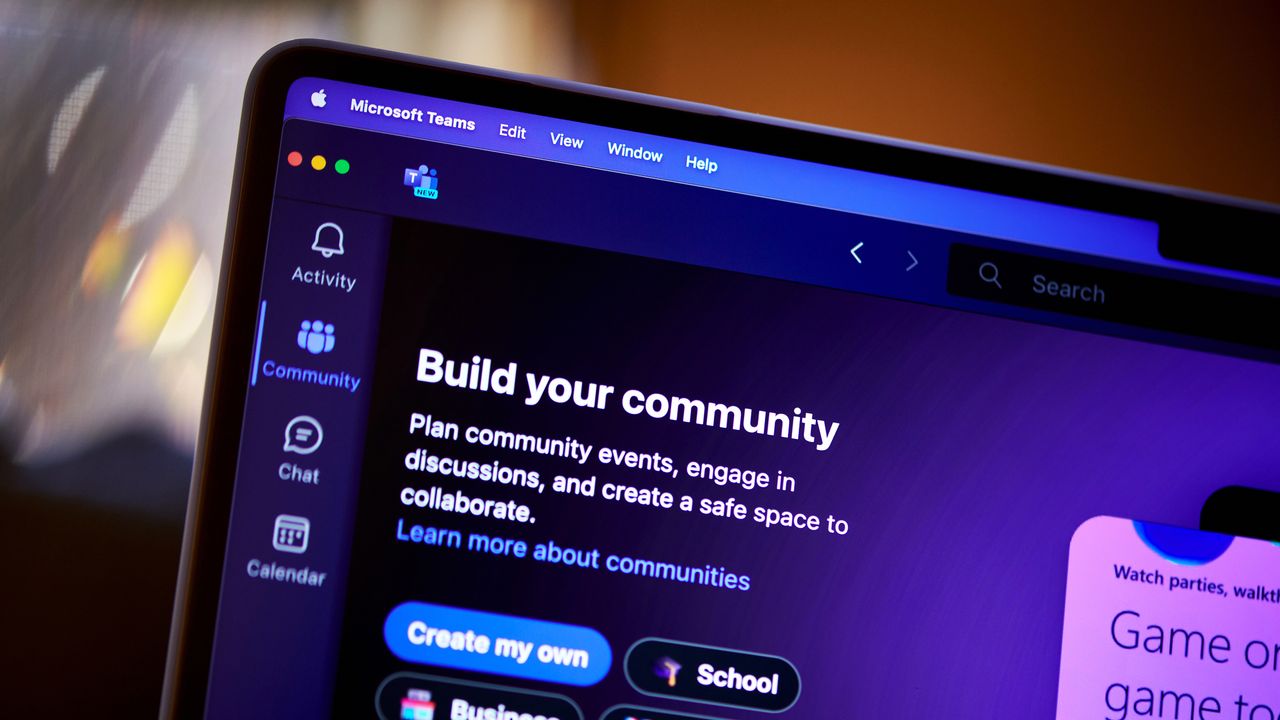
The Microsoft Teams app on a laptop arranged in New York, US, on Tuesday, June 25, 2024. Microsoft Corp. risks a hefty European Union fine after regulators accused the company of abusing its market power by bundling the Teams video-conferencing app to its other business software. Photographer: Gabby Jones/Bloomberg via Getty Images.

Over the years, fraudsters and bad actors have become more cunning and are now leveraging sophisticated techniques, including generative AI, to dupe and lure unsuspecting users into their deceitful schemes.

It's increasingly becoming difficult to tell what's real and what's fake. However, Microsoft is attempting to make the process a bit easier for users with a new fraud detection feature for Teams calls.

The feature called "Brand Impersonation Protection" will check incoming VoIP calls from first-time external contacts for brand impersonation. As such, the feature will warn users about high-risk and suspicious incoming calls (via BleepingComputer).

Microsoft is expected to start rolling out the security feature to target release customers by mid next month. What's more, the feature will be enabled by default.

Brand Impersonation Protection for Teams Calling adds proactive safeguards against fraudulent or deceptive external callers who attempt to appear as trusted organizations. This helps reduce social-engineering risks and improves tenant security when users receive first-contact external calls. This update aligns with Microsoft's ongoing investments in caller identity protection and secure collaboration.

Microsoft

As a precaution, Microsoft urges users to prepare for the new feature by supporting staff with information about the new feature and how the warnings about fraud in Teams calls will be enabled by default.

Elsewhere, Microsoft quietly changed the rollout date for its controversial Wi-Fi location tracking feature to mid-March. In case you missed it, the feature essentially snitches on your live location when your device is connected to the office Wi-Fi, raising concerns about corporate surveillance and micro-management as more organizations ramp up efforts on their return-to-office (RTO) plans.

Do you trust Microsoft Teams’ new brand impersonation warnings to stop scam calls? Share your thoughts in the comments and cast your vote!

Follow Windows Central on Google News to keep our latest news, insights, and features at the top of your feeds!

Sign up to read this article
Read news from 100’s of titles, curated specifically for you.
Already a member? Sign in here
Related Stories
Top stories on inkl right now
Our Picks
Fourteen days free
Download the app
One app. One membership.
100+ trusted global sources.