
Get all your news in one place.
100’s of premium titles.
One app.
Start reading
TechRadar
TechRadar
Jacob Krol

Microsoft 365 and Outlook were down for many – here's what went wrong

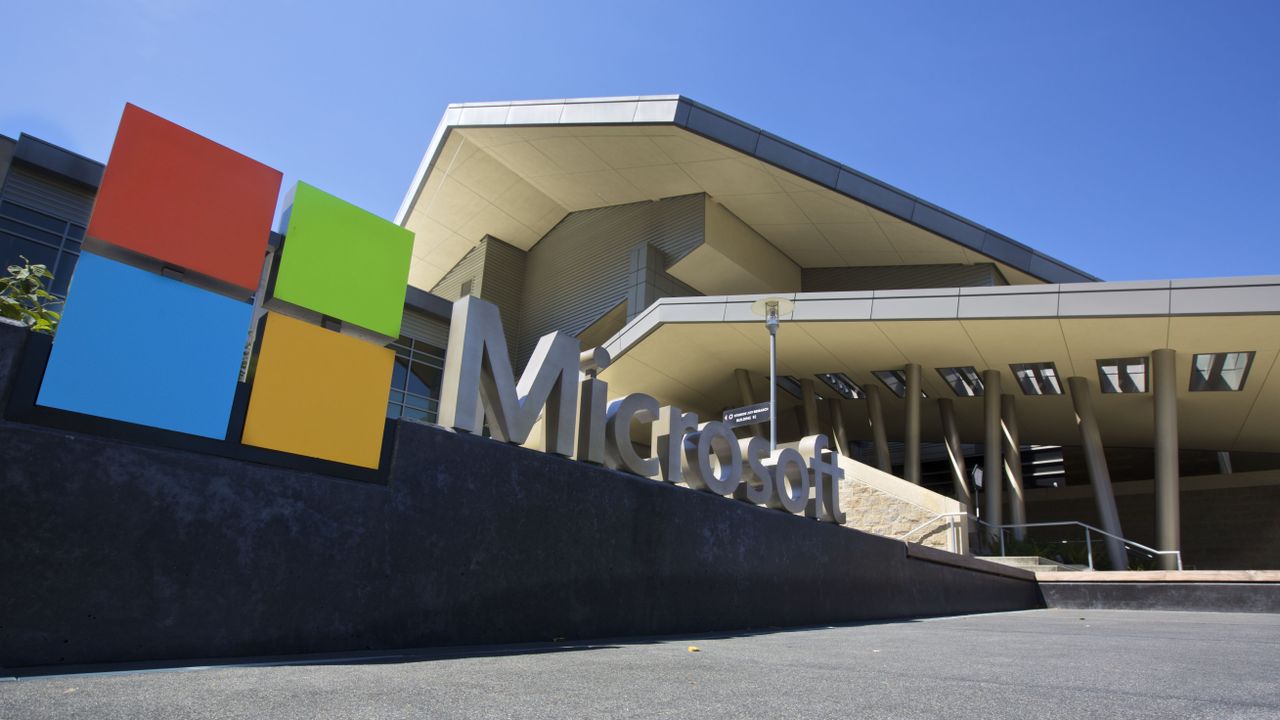
Microsoft.

Microsoft experienced a major outage on January 22 that hit Outlook, 365 and Teams, but the tech giant says it's now been "resolved".

The Downdetector reports peaked at around 3pm ET / 8pm GMT in the US and UK, with Microsoft acknowledging the issue slightly after 3pm ET.

Those reports have now plummeted back to near-normal levels, suggesting that Microsoft's fix has worked for the vast majority of users. Here's how the outage played out and what caused it...

(Image credit: Future)

Let's take a count of where things currently stand – while I was able to load Microsoft's own status page, which confirmed an active disruption with Microsoft 365, I'm having some difficulty loading it at the moment.

You can try loading that here, but I will also embed Microsoft's post on X (formerly Twitter) below, which also confirms the issue.

While Down Detector reports are starting to slip, hinting that fewer folks are reporting issues or that the service is entering recovery, Microsoft 365 still stands at over 14,361 reported issues.

Folks in the comments on Down Detector are reporting issues with sending and receiving messages, but also specifically with the 'Admin Console' not loading as intended.

Reported issues with Microsoft Outlook are currently sitting at slightly over 12,000 on Down Detector.

(Image credit: Future)

Here's what Microsoft's status page says is impacted

As well as Microsoft's post on X, the status page – which I've finally got loading again – does a good job of setting the scene and showing where we are with this ongoing disruption.

I'll copy it in full below, but the gist is that inbound and outbound mail through Exchange Online and Outlook are both impacted. There's a chance you'll encounter this specific error message as well: "451 4.3.2 temporary server issue". Using the search functionality in OneDrive and SharePoint Online may fail, as well as accessing Microsoft Purview, Microsoft Defender XDR, and the Microsoft 365 admin center may not load.

So yes, it does match the comments folks are leaving on Down Detector, and Microsoft says the cause is that a "portion of dependent service infrastructure in the North America region isn't processing traffic as expected." This service disruption for Microsoft 365 and Outlook is mostly impacting North America as well.

"More info: More info: Users may be receiving a "451 4.3.2 temporary server issue" error message when attempting to send or receive email through Outlook.

Some of the impacted service functions include, but may not be limited to:

- Sending and receiving email through Exchange Online, including notification emails from Microsoft Viva Engage.

- Collecting message traces may be delayed or fail.

- Searches within SharePoint Online and/or Microsoft OneDrive mail be delayed or fail to complete.

- Accessing the service portals, including Microsoft Purview, Microsoft Defender XDR, and the Microsoft 365 admin center.

Current status: We're continuing to review what actions are required to restore the affected infrastructure to a heathy state and rebalance the service traffic to achieve recovery.

Scope of impact: Any users served through an affected section of service infrastructure in the North America region may be intermittently impacted.

Root cause: A portion of dependent service infrastructure in the North America region isn't processing traffic as expected.

Next update by: Thursday, January 22, 2026, at 11:00 PM UTC"

(Image credit: Future)

And if you're curious about the return-to-normal timeframe, Microsoft isn't quite ready to say when that will be just yet. Its teams are still investigating the problem and working to figure out a fix.

Here's the most recent post from the company on X, which notes a similar tone. It's nice to see a company being communicative during a disruption, though. The hope, though, is that a path to returning to normal operations for Microsoft 365 and Outlook is on the horizon soon.

As is common practice during outages, let's take a look at what some impacted folks are posting on social platforms like X during this Microsoft 365 and Outlook disruption.

It's a little after 4:15 PM ET here in New York City, so let's check Down Detector, as Microsoft is still experiencing a disruption affecting Outlook and Microsoft 365. Reports for 365 and Outlook have started to level off a bit, while those for the Microsoft Store, Teams, and Azure are all on the decline.

Now, as we typically see during outages, competing platforms in the space have also spiked a bit on Down Detector; that's why we see Gmail below with some reports. At this time, Google's various status dashboards are not showing any disruptions, but we'll monitor the reports.

(Image credit: Future)

Microsoft has restored the' affected infrastructure'

Here's some good news – in a post at 4:14 PM ET on the @MSFT365Status account on X, Microsoft notes that it's 'restore the affected infrastructure to a healthy state." That's a good first step and now it needs to further load balance to 'mitigate impact.'

That means we're on the road to recovery, and to aid in that process, Microsoft is moving some traffic to subsequent infrastructure to help get users back online.

Down Detector reports for Microsoft Outlook have dropped below 10,000 as of 4:20 PM ET, suggesting recovery is starting to occur. Though there are still comments from folks who can't send or check for new emails.

Similarly, reports for Microsoft 365, Teams, Azure, and Microsoft Store continue to trend downward.

(Image credit: Future)

While Microsoft has made it clear that recovery for Outlook and 365 will take some time, Down Detector reports for the affected platforms are still declining. Though many are still reporting issues accessing mail in Microsoft Outlook.

We're also waiting for another update from Microsoft.

(Image credit: Future)

Microsoft has posted again on X, writing, “We’re rebalancing traffic across all affected infrastructure to ensure the environment enters a balanced state.”

The company says this process will help identify what further action is necessary for recovery. Either way, Microsoft appears to be moving in the right direction toward bringing Microsoft 365 and Outlook back to normal.

It’s also important to note that the confirmed “service disruption” is impacting Microsoft 365 Business and Enterprise users, while many of Microsoft’s consumer-grade platforms, apps, and services continue to operate as expected.

We're now several more hours in, and Microsoft is still actively working on a service disruption affecting Microsoft 365 and Outlook. It's still business and enterprise account-focused, and while we've been past 5 PM ET for three hours, it's now past 5 PM on the West Coast as well, meaning that business and workspaces are likely impacted into the evening.

Microsoft's own status page – which at times is hard to load – and its X account are still the best two places to track updates, though it's been three hours since the last update on the latter.

Microsoft says it's now "resolved"

Good news – at 1.29am ET / 6.29am GMT Microsoft posted on X (above) to say "we've confirmed that impact has been resolved".

So what caused all the mayhem? Microsoft says it was a "service load issue during maintenance". As always, a humdrum server capacity issue is what caused all the trouble, but anyone who uses Microsoft 365, Outlook, Teams and Copilot will be relieved to hear that it's now (theoretically) over.

We'll be keeping an eye on this one in case there's residual issues, but that should hopefully be it for one of 2026's biggest outages so far.

Sign up to read this article
Read news from 100’s of titles, curated specifically for you.
Already a member? Sign in here
Related Stories
Top stories on inkl right now
One subscription that gives you access to news from hundreds of sites
Already a member? Sign in here
Our Picks
Fourteen days free
Download the app
One app. One membership.
100+ trusted global sources.