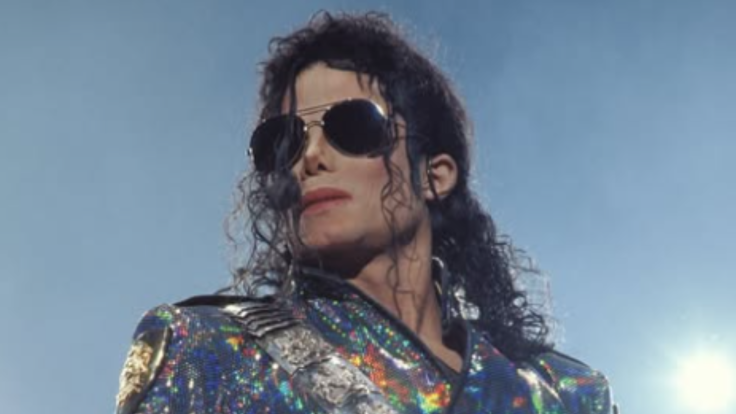
The King of Pop's reign ended in tragedy, yet his shadow—and the industry that profits from it—continues to cast a long, complex spell. Michael Jackson's legacy is a global cultural touchstone, but recent reports of a planned holographic 'resurrection' at London's iconic O2 Arena have ripped the veil from quiet tributes, exposing a raw conflict between art, commerce, and profound grief. This proposal, scheduled to coincide with the premiere of the long-anticipated biopic, Michael, is not being heralded as an honour by those closest to the star, but rather condemned as a grotesque, high-tech exploitation. It is a digital séance, and for the Jackson family, the attempt to bring a computer-generated version of the late artist back to the stage where his final chapter was tragically cut short has left them 'outraged and sickened'. This is not just a marketing stunt; it is a fundamental clash over who owns the narrative of an icon's life and death, and whether the line between remembrance and macabre showmanship has been irrevocably crossed.