Get all your news in one place.
100's of premium titles.
One app.
Start reading
Tom’s Guide
Tom’s Guide
Technology
Amanda Caswell

Meta files patent for AI facial recognition glasses that identify people around you and record automatically

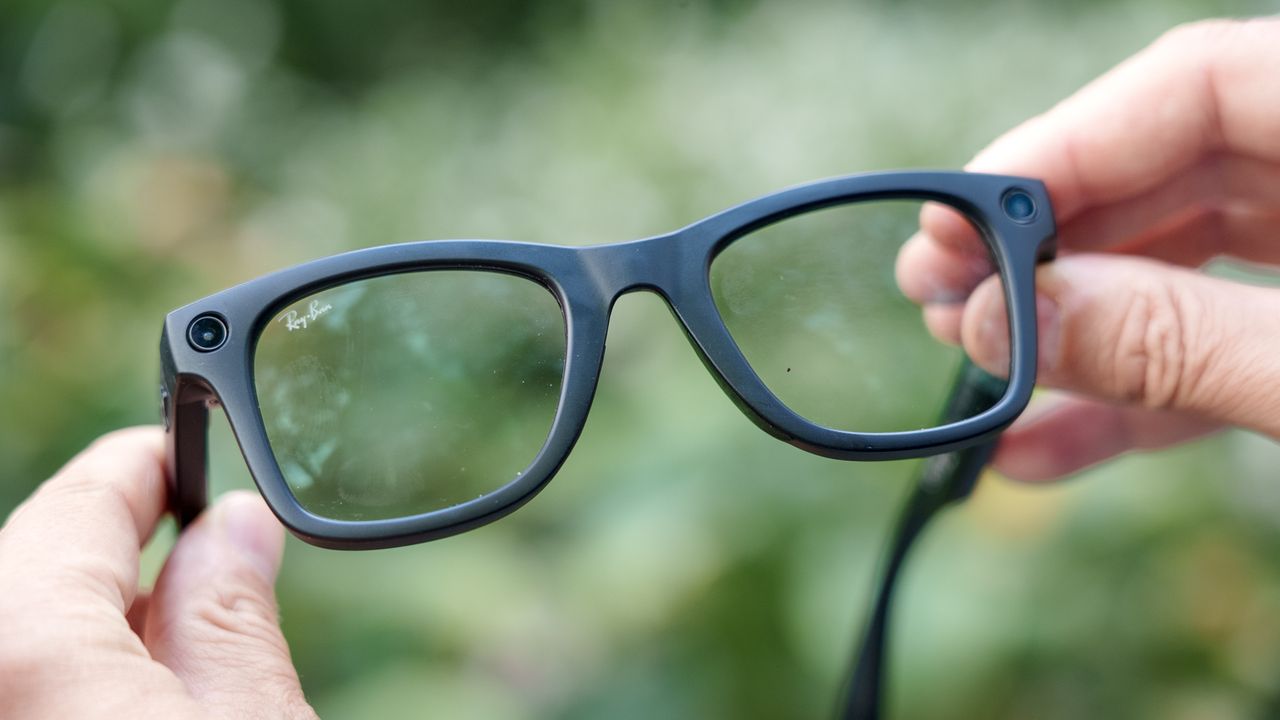
A front view of Meta Ray-Ban (gen 2) smart glasses.

Imagine hosting a dinner party without stopping to pull out your phone. Later, your glasses present you with a collection of photos and video clips showing your partner across the table and your friends laughing together. That's the idea behind the system Meta has patented for it's Meta glasses.

The patent filing describes camera-equipped glasses that use facial recognition, expression analysis and information about your relationships to identify the people around you and decide which moments you may want to keep.

The glasses could even ask, “I’ve generated some highlights of tonight’s dinner party. Would you like to see them?”

At a time when Meta is continuously under fire for it's "pervert glasses" the patent sounds convenient for some, but also a potential privacy nightmare.

How Meta’s glasses could choose what to capture

(Image credit: Shutterstock)

The patent, published Thursday and first reported by 404 Media, describes a system that looks for “points of interest” within the wearer’s field of view.

At a dinner party, facial recognition could identify the wearer’s wife and place her in the center of the frame. Other guests could be cropped out or blurred in the background.

The system could then analyze facial expressions. If two people start laughing, for example, the glasses could recognize that reaction and reposition the camera to focus on them.

Who makes the final cut may depend on the wearer’s relationship with each person. According to the report, information from a user’s social graph could help the system determine which friends or family members are likely to be more interesting to them than other people in the room.

The patent mentions eye-gaze data too. Looking at a particular person or object could help the glasses determine where to focus, while stabilization and automatic cropping could improve the resulting photo or video.

The wearer may still need to give a command before taking a picture or recording a clip in some of the examples described. The larger system, however, would handle much of the decision-making: identifying people, interpreting what they’re doing and sorting the results into a personalized collection.

The glasses could remember who you’ve met

(Image credit: Shutterstock)

Meta’s patent goes past creating a highlight reel. It describes connecting newly captured moments with a collection of “episodic memories” associated with the wearer.

One example asks: “Did I ever meet the guy in red T-shirt?”

The system could search old posts, comments, photos and videos before retrieving a group picture showing that the wearer had previously met him at a conference.

That could help someone remember a name or find a photograph they would otherwise struggle to locate. It would also turn casual real-world encounters into searchable records.

Meta has already explored facial recognition for its glasses

Of course, owning the patent doesn’t guarantee that Meta will release any of this. Companies regularly patent ideas that never become consumer products. Facial recognition for Meta’s glasses is more than a hypothetical concern, though.

In June, Wired found unreleased code for a feature called NameTag inside the Meta AI companion app. If enabled, NameTag could turn faces captured by the glasses into biometric signatures and compare them with faceprints stored on the wearer’s phone.

Meta removed the facial-recognition code after Wired published its investigation. The company said the feature wasn’t available to consumers.

The newly published patent offers a much more detailed look at how facial recognition could work alongside automatic framing, expression analysis and personalized memory tools.

What happens to everyone else in the room?

(Image credit: Future)

Ray-Ban Meta glasses currently use a white capture light to indicate when the wearer is taking a photo or recording video. That indicator is easy enough to understand when someone deliberately presses a button or asks the glasses to start recording.

Even if those calculations happen before a picture or video is saved, the people standing in front of the camera are still being assessed. They may not know that the glasses have recognized them, connected them to the wearer or decided that their reaction is interesting enough to capture. A system that analyzes people before deciding what to record could make that distinction harder to explain.

Those concerns are already drawing legal scrutiny. On August 12, German digital-rights group HateAid filed a criminal complaint against Meta and several companies selling its glasses in Germany.

Bottom line

Meta’s current smart glasses have become popular because they look like regular Ray-Bans and make it easy to listen to music, ask Meta AI a quick question or shop without reaching for a phone.

This patent imagines giving the glasses far more control over the camera. But while the wearer may appreciate having those memories captured for them. Their guests may reasonably wonder when they agreed to be part of it.

More from Tom's Guide

Sign up to read this article
Read news from 100's of titles, curated specifically for you.
Already a member? Sign in here
Related Stories
Top stories on inkl right now
One subscription that gives you access to news from hundreds of sites
Already a member? Sign in here
Our Picks
Fourteen days free
Download the app
One app. One membership.
100+ trusted global sources.