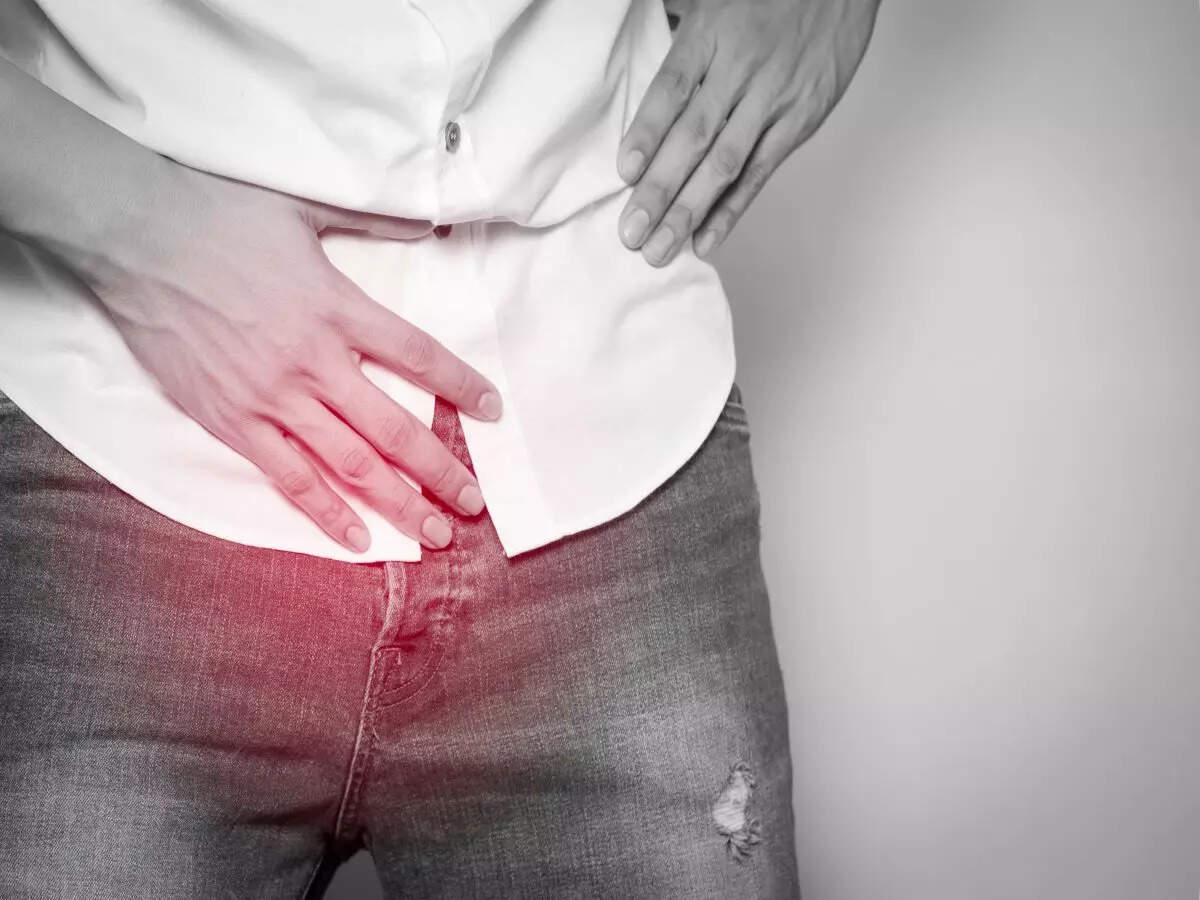
Prostate Cancer evokes the same emotion in a man as breast cancer would in a woman. Prostate Cancer is one of the commonest cancers amongst men globally. Interestingly, prostate cancer is actually a spectrum of disease and not all men diagnosed with prostate cancer require treatment. The detection of early prostate cancer includes detecting both slow-growing and aggressive or fast-growing prostate cancer and the key is to diagnose the cancer early-on when patient is asymptomatic or minimally symptomatic.
So when do we investigate? All men over 45 years of age should routinely undergo some basic cancer screening recommendations. Faecal occult blood test, a digital rectal examination (DRE), a serum PSA(Prostate Specific Antigen) testing, if one is a chronic smoker then certain tests like a low dose CT scan of the chest is recommended after consultation with your doctor. If you have a significant family history of cancer which includes cancer in your brother, sister, parents or children; then one should visit an oncologist or a genetic counsellor for detailed discussion and appropriate investigations.

Prostate Cancer and most other cancers can be called a lifestyle disease. There have been some percentage of hereditary cancers, but largely cancers happen sporadically and contributed by some environmental factors as well. It is common for elderly men to have Lower Urinary Tract Symptoms (LUTS) which includes urgency, frequency of micturition, difficulty in passing urine and incomplete bladder evacuation. These symptoms require testing for enlarged prostate which mostly is non-cancerous (Benign Prostatic Hypertrophy or BPH). But in all cases we rule out infections(urinary tract infection or prostatitis) and do blood test (Serum PSA) to look for possible malignancy. All suspicious cases are confirmed with Trucut Biopsy of the Prostate and further scans. Once prostate cancer is confirmed, staging is the most common next step to plan treatment. Treatment includes Hormone therapy to lower the level of Androgens. Surgical intervention with Radical Prostatectomy and/or Radiation to the prostatic bed or Radical Radiotherapy possibly covering the pelvic area too, are all part of the treatment modalities. Occasionally Chemotherapy and biologic therapy is required if cancer is in advanced stage.
However, what can men over 50 do to prevent getting Prostate Cancer? First of all, eat healthy. Excessive fat in the diet and obesity are risk factors. The benefit of losing weight is not just limited to reducing cardiovascular risk but helps in reducing Prostate Cancer risk as well. Daily physical activity of at least half hour of strenuous work out is advocated. Quit smoking and consume less of alcohol; eating healthy with a variety of fruits, vegetables, whole grains help keep the cancer at bay as well. Drugs used in treatment of BPH (Benign Prostatic Hypertrophy) reduce the risk of cancer but on the other hand, cancer can occur even when on these medicines. Vitamin D supplements has a role in prevention.
Men over 50 must take preventive measures for Metabolic Syndrome like Obesity, Diabetes, Hypertension and Heart Disease. A regular check of BP, Cholesterol, blood sugars and keeping them under control is vital. Thyroid Hormone assays, Vitamin D, Vitamin B12 levels(especially in vegetarians or vegans)must be monitored. Osteoporosis (weakening of bones) is another common problem with ageing. One can never under emphasize the importance of keeping physically active and fit, and taking the supplements to correct or prevent these deficiencies.
Obesity is a killer. It increases morbidity apart from increasing risks for all the above-mentioned diseases. A proper diet and exercise plan cannot be over emphasized. Older men can experience depression because of family restructuring, retirement from work and loss of friends or family to name a few. This could manifest as feeling of worthlessness, ‘empty feeling’, restlessness, irritability etc. These symptoms should be recognized in a timely manner and addressed with appropriate healthcare provider.
Prevention is not only less expensive but is way more desirable than getting diseases and trying to fix it. Start now with a healthy lifestyle, preserve this one body you have and the only thing which you can call as your own.
Dr Niti Raizada MD DNB DM ECMO MRCP(UK) EMPH (US)
Director, Medical Oncology & Hemato Oncology,