As families return to school-term routines, sleep difficulties often resurface. For many parents, particularly those raising children with neurodevelopmental conditions, melatonin has become a widely discussed option. Yet its growing use raises important questions about regulation, effectiveness and safety.
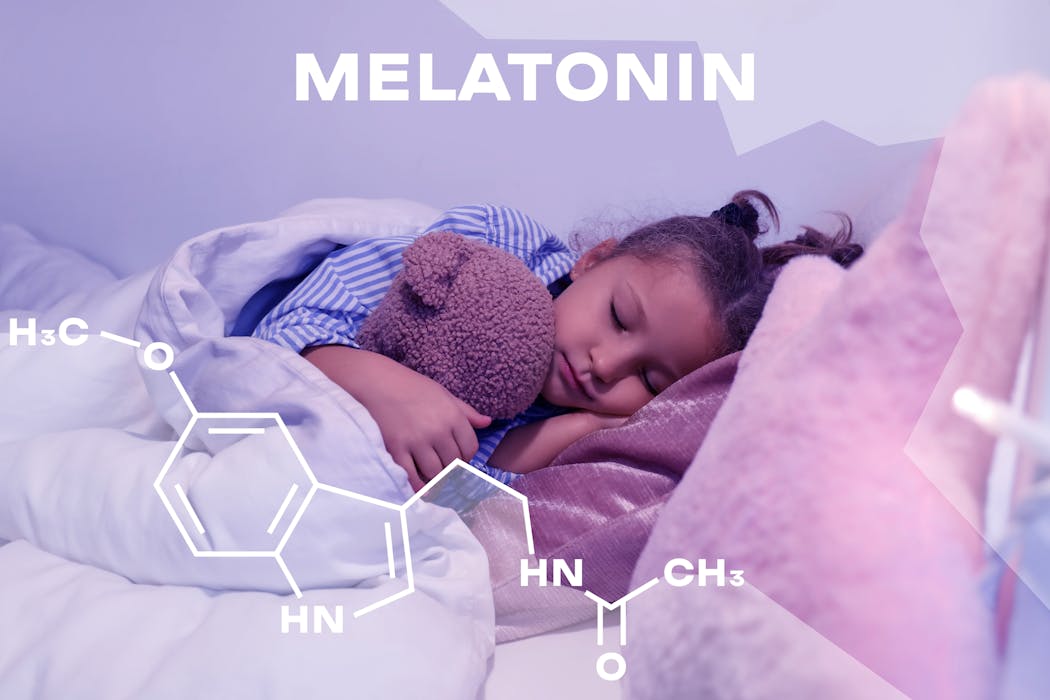
Melatonin is a hormone naturally produced by the pineal gland in the brain. It plays a key role in regulating the sleep–wake cycle, the body’s internal clock that helps us feel alert during the day and sleepy at night. Melatonin levels usually rise in response to darkness, signalling that it is time to sleep. The medication sold as melatonin is a synthetic version of this naturally occurring hormone.