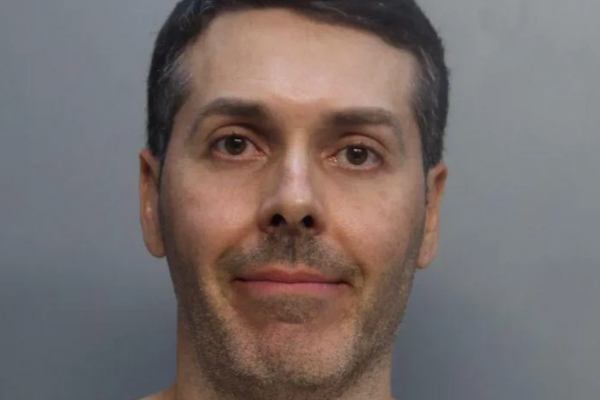
Like millions of Americans, Mel Gibson has a criminal record that disqualifies him from legally owning a gun. Unlike nearly all of those people, the movie star, whom President Donald Trump has designated as one of his three "ambassadors" to Hollywood, will be relieved of that disability, thanks to a recent decision by Attorney General Pam Bondi that also covers nine less famous individuals.
Although Gibson's inclusion on that list smacks of political favoritism, Bondi's move is part of a long overdue effort to restore the Second Amendment rights of "prohibited persons" who pose no threat to public safety. The Gibson controversy should not overshadow a much bigger scandal: the unjust, constitutionally dubious policy that permanently disarms Americans based on a wide range of criminal convictions, including many that do not involve the use or threat of force.
Gibson lost the right to possess firearms in 2011, when he pleaded no contest to a misdemeanor involving domestic violence: an assault on his girlfriend. Another provision of the same federal law sweeps much more broadly, covering anyone convicted of a crime punishable by more than a year of incarceration, regardless of the sentence that was actually imposed, whether or not the offense involved violence, and no matter how long ago it happened.