Elizabeth Oyer, a former public defender who was appointed as the Justice Department's pardon attorney in April 2022, says she was fired last Friday because she refused to sign off on a recommendation to restore Mel Gibson's gun rights. The movie star and director, who supported Donald Trump in the 2024 presidential election and was recently designated as one of the administration's three "ambassadors" to Hollywood along with Jon Voight and Sylvester Stallone, lost the right to own firearms because of a misdemeanor domestic violence conviction.
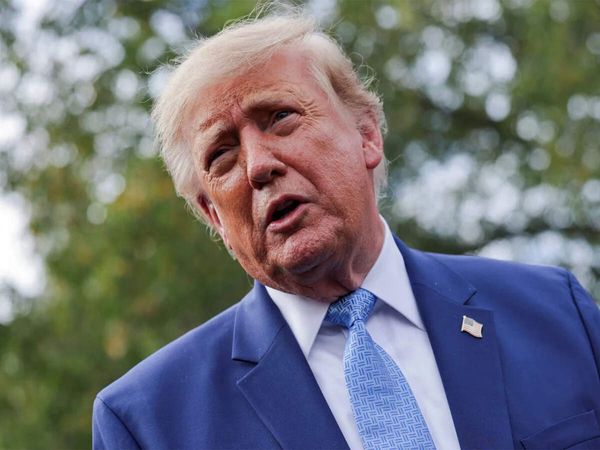
Oyer presents the episode as a conflict between public safety and political favoritism, and The New York Times framed the story the same way. But the incident also illustrates how difficult it is for people who have lost their Second Amendment rights as a result of criminal convictions—a category that includes the president himself—to regain those rights, even when there are no grounds to think they pose a threat to public safety.
In March 2011, Gibson pleaded no contest to a misdemeanor battery charge involving his girlfriend, and Los Angeles County Superior Court Judge Stephanie Sautner sentenced him to 36 months of probation. Although Gibson's deal with prosecutors allowed him to avoid jail time, his plea triggered an ancillary penalty under 18 USC 922(g)(9), which makes it a felony for anyone who "has been convicted in any court of a misdemeanor crime of domestic violence" to receive or possess a firearm. Another provision of the same law, Section 922(g)(1), sweeps more broadly, imposing the same lifelong disability on anyone who has been convicted of a crime punishable by more than a year of incarceration, no matter how long ago it was committed and whether or not it involved violence.