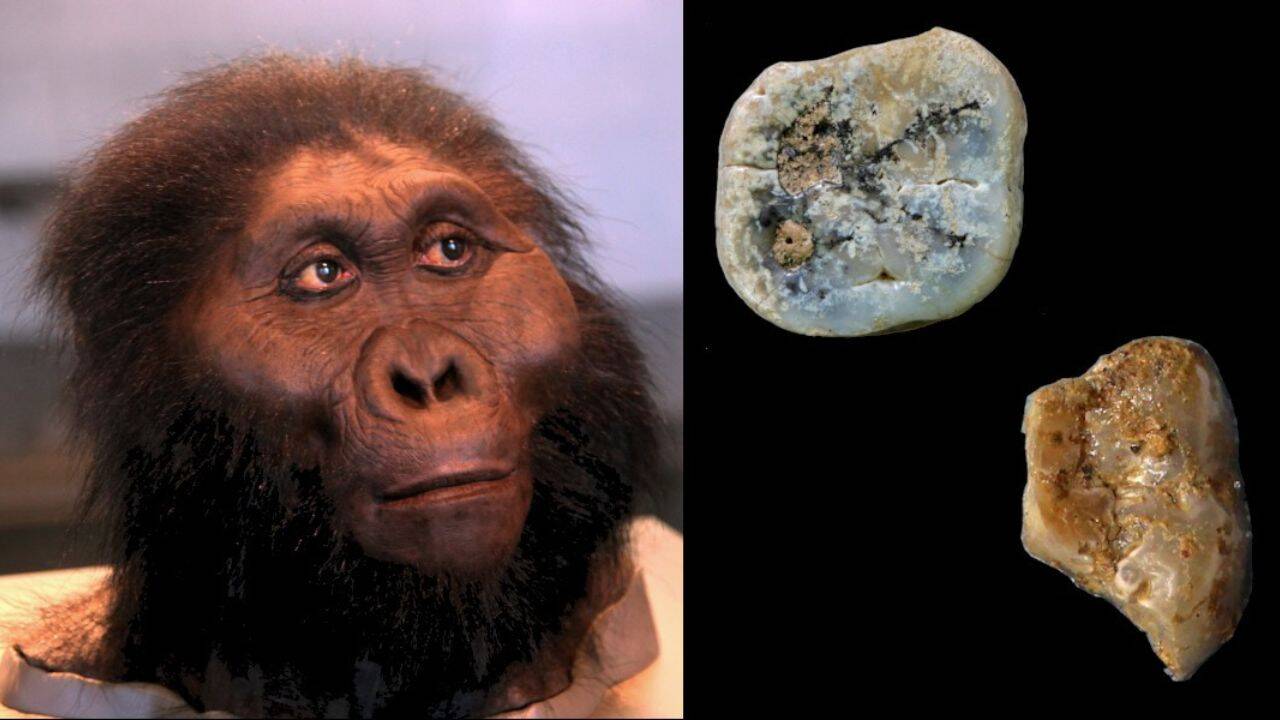
For much of the last century, the story of early technology seemed straightforward. The genus Homo made stone tools, and their appearance marked a turning point on the path that eventually led to modern humans. The idea was so deeply embedded in human origins research that even Homo habilis was named for its presumed tool-making skill. Yet the fossil record has a habit of unsettling neat narratives.
Across eastern and southern Africa, another branch of the human family lived for well over a million years. Known as Paranthropus, these robust hominins possessed enormous molars, powerful jaws and relatively small brains. They have often been portrayed as evolutionary specialists adapted to chewing tough foods while their more versatile relatives experimented with technology. Recent discoveries are making that distinction harder to maintain. A growing body of evidence suggests that Paranthropus may not have been standing on the sidelines during the earliest chapters of human innovation. New analyses of archaeological sites, fossil remains and ancient tools are prompting researchers to reconsider long-held assumptions. Rather than being passive observers, these hominins may have interacted with technology in ways that challenge traditional views of intelligence, behaviour and the origins of tool use.