
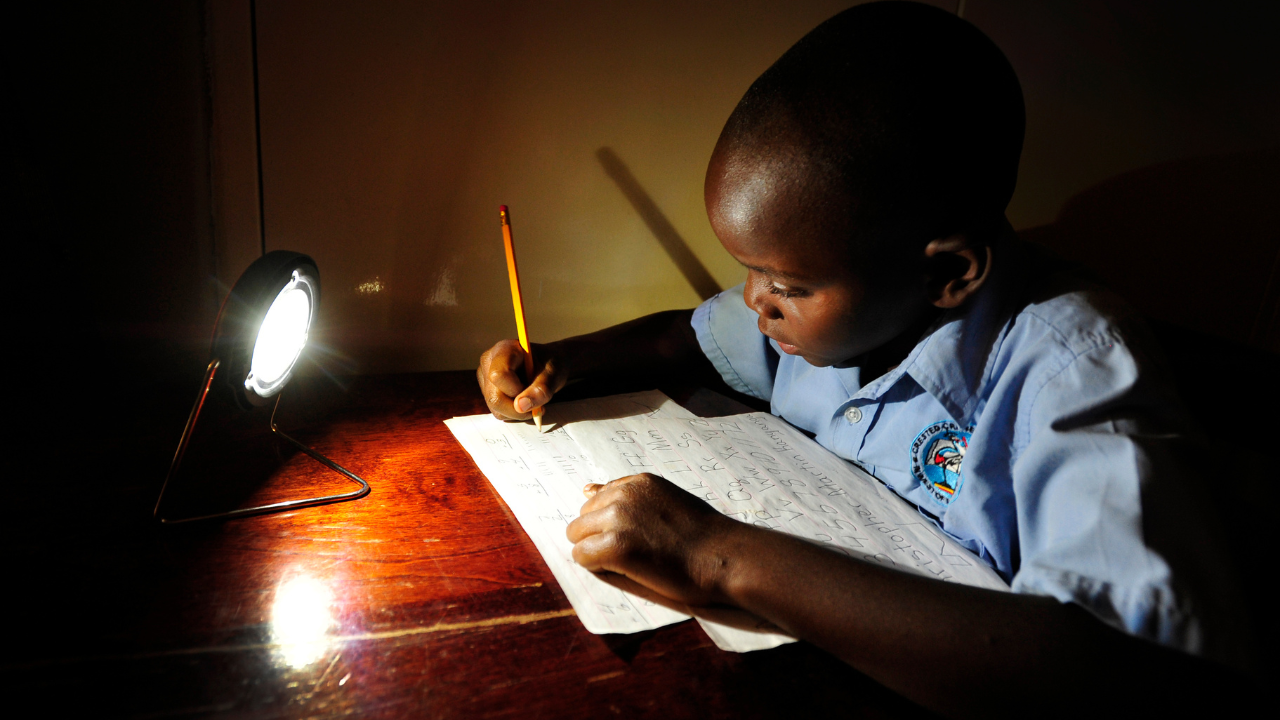
Evans Wadongo was raised in the rural village of Malava in western Kenya, and he spent multiple evenings trying to finish schoolwork beside a kerosene lamp whose smoke gradually damaged his eyesight. Many of his classmates faced the same problem, and some dropped out because they could not study after sunset. Even after Wadongo enrolled at Jomo Kenyatta University of Agriculture and Technology in 2004, those memories stayed with him. The 19-year-old was experimenting with LED Christmas lights in his dorm room and salvaged solar-panel components, and soon began to design a simple solar lantern that could replace kerosene lamps in homes without electricity. He called it MwangaBora, meaning "Good Light" in Swahili. According to MIT Solve , the lantern was designed using inexpensive, locally available materials, including recycled parts, so it could be assembled and repaired within the communities it was meant to serve.
Get breaking news anytime, anywhere. Download the TOI app now!

One lantern became the start of a much bigger mission
Building a working prototype was only the beginning, since Wadongo soon realized that handing out lanterns alone would not solve the deeper problems facing rural communities. He launched the Use Solar, Save Lives programme and trained young people to build MwangaBora lamps from old kerosene lanterns while also creating opportunities for employment and technical skills. Women who received the lanterns were encouraged to use the money they previously spent on kerosene to start small businesses or invest in household needs. Wadongo initially financed the project by skipping meals and using part of his student loan to buy components, and was convinced that replacing smoky lamps with solar light could improve children's education, reduce indoor air pollution and ease the financial burden on families living on very limited incomes.
Thousands of homes received cleaner, safer light
The programme expanded rapidly over the next few years through partnerships with schools, community groups and local organizations. By 2010, the initiative had distributed approximately 10,000 solar lanterns free of charge to households across rural Kenya. Each lantern reduced the need for kerosene, cutting both fuel expenses and exposure to harmful smoke inside homes. The programme also established rural innovation centers where young people learned vocational and business skills alongside solar-lamp assembly, creating a model that combined clean energy with economic development. MIT Solve notes that the initiative eventually broadened beyond lighting to include entrepreneurship training, renewable energy education and support for women-led income-generating activities, allowing communities to build long-term resilience rather than relying solely on donated equipment.
A simple invention that continued to evolve
Wadongo's lantern did not solve energy poverty across Kenya, but it demonstrated how a locally designed solution could address several challenges at once. Children gained more time to study after dark, families spent less on fuel, and communities reduced their dependence on kerosene lamps that produce soot and indoor air pollution. His work earned international recognition, including selection as one of CNN's Top 10 Heroes of 2010, yet the idea remained rooted in the same problem he experienced growing up. The most valuable part of MwangaBora was never the lantern itself; it was the realization that an affordable piece of technology which is built close to the people who needed it most, could improve education, health and household finances all at once. That approach continues to influence community-based clean energy projects across Africa more than two decades after the first prototype was assembled.







