Pakistan has always believed that geography can compensate for weakness. It sits at the intersection of South Asia, Central Asia and the Middle East, possesses nuclear weapons, maintains relationships with superpowers who have shared cold ties, and has spent decades convincing bigger powers that it is too strategically important to ignore. That belief has shaped the country’s foreign policy for generations. It allowed Islamabad to partner with Washington while drawing closer to Beijing, to accept Saudi money while keeping open channels with Tehran, and to repeatedly present itself as an indispensable intermediary in moments of international crisis.
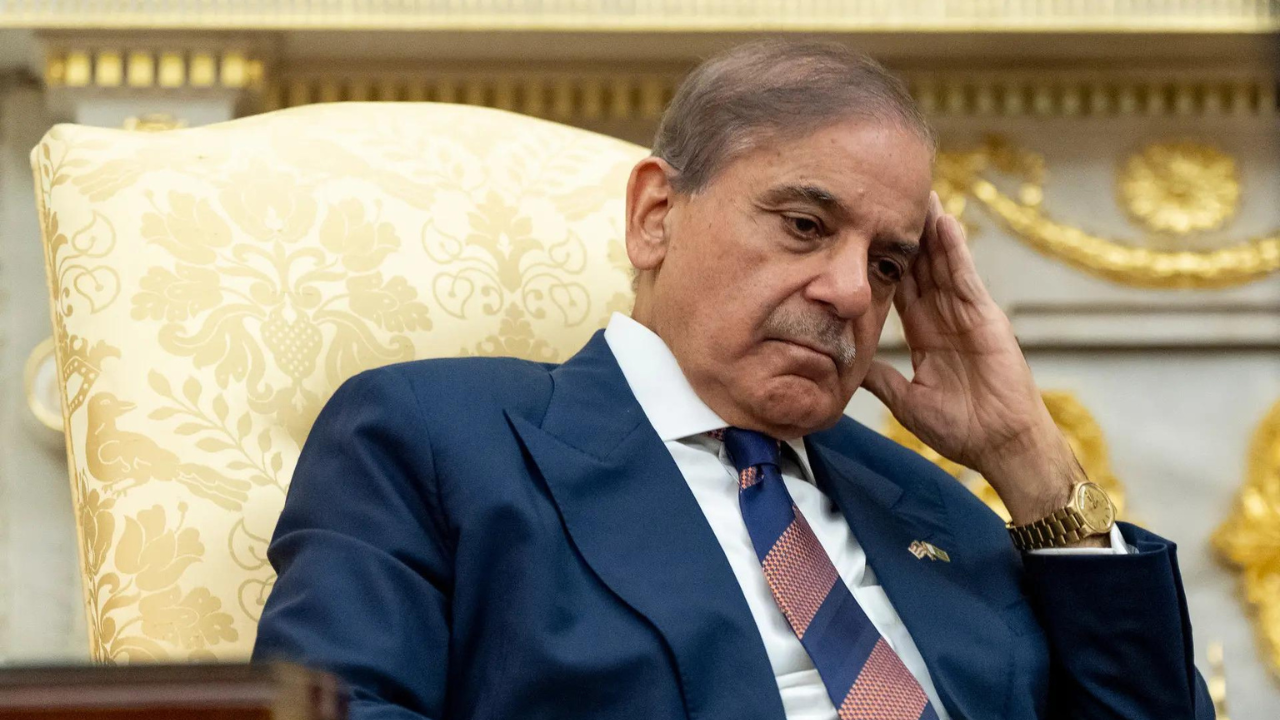
That balancing act is once again defining the country’s place in the world. In the span of a few months, Pakistan has attempted to mediate between Washington and Tehran, hosted the highest-level US-Iran talks since the 1979 revolution, sought fresh economic support from Beijing through Prime Minister Shehbaz Sharif’s visit to China, and relied on Gulf allies to shore up foreign exchange reserves that remain dangerously fragile beneath the surface. At the same time, separatist violence in Balochistan is escalating, political legitimacy at home remains deeply contested, and the economy continues to survive through a cycle of IMF programmes, rollovers and emergency deposits.