Get all your news in one place.
100’s of premium titles.
One app.
Start reading
Fortune
Fortune
Ashley Lutz

Marriott's CEO identifies a 'fundamentally permanent shift' for Americans: Even low-income families are stubbornly hanging on to vacations

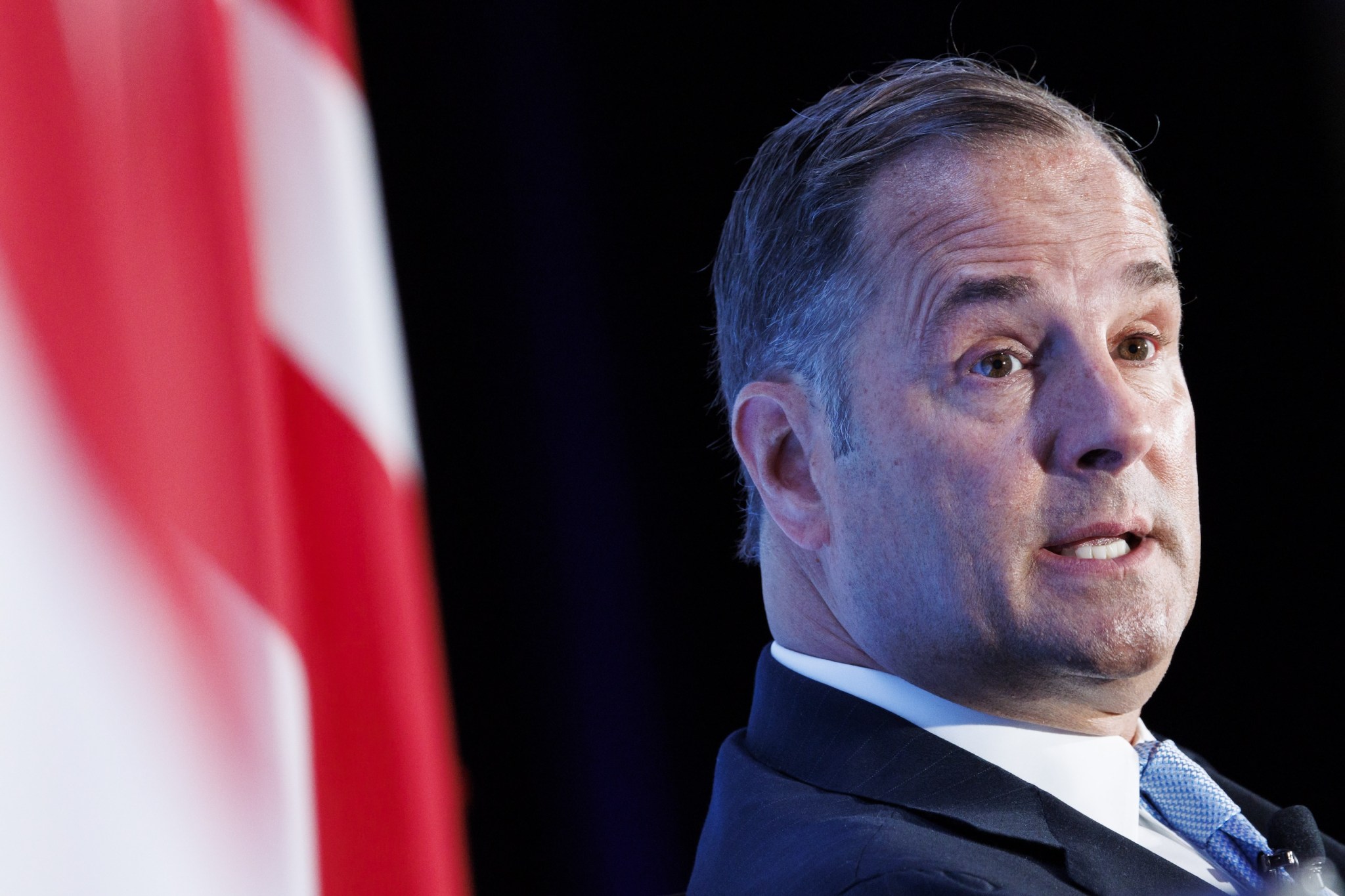
(Credit: Ting Shen/Bloomberg via Getty Images)

Marriott CEO Anthony Capuano says Americans are continuing to prioritize spending on experiences, even amid economic uncertainty.

“We continue to see extraordinary demand for travel and experiences,” Capuano told Yahoo! Finance. “It feels like a fundamentally permanent shift that consumers are prioritizing spending on travel and experiences versus purchase of hard goods.”

The hotel chain expects earnings growth in 2026, with revenue driven by adding rooms to its portfolio and higher co-branded credit card fees. While U.S. business was slightly weaker in the fourth quarter due to the government shutdown, Capuano says the fundamentals remain strong.

While Capuano acknowledged the “K-shaped” economy and an insatiable demand for luxury bookings, he told Yahoo “even with that lower-income consumer, they are still prioritizing spending on travel and experiences, just in a more economical way.”

Even as inflation, high rates, and political uncertainty weigh on household budgets, Americans are stubbornly hanging onto their vacations. Surveys show more than three in four Americans planned to travel in 2025, with roughly one-third saying they’ll actually spend more on trips than they did last year—even if that means trading down on other purchases or shortening stays.

Consumers aren’t a threat, but climate change is

Domestic leisure volumes have climbed back to roughly pre‑pandemic levels, and destinations report travelers are becoming more value‑conscious—not less determined to go.

That resilience reflects a broader shift toward experiences over material goods. For years, spending on travel, dining, and recreation has outpaced many categories of physical goods, and newer data suggest that pattern is holding: Consumers are still willing to splurge on “real‑world” memories even as they balk at big‑ticket retail.

The so‑called “funflation” boom—when people shelled out eye‑popping prices for concerts, festivals, and trips—has cooled from its 2023 peak, but it hasn’t disappeared so much as normalized, with live events and leisure travel still drawing healthy demand at more sustainable price points.

While the American consumer remains resilient, Marriott sees an even more volatile variable as a potential threat to the business.

Discussing the impact of climate change damaging locations and driving up operating locations, the company adjusted the words “could” to “have” in its most recent 10K report, travel blog Skift noted.

“Natural disasters, extreme weather, and other climate impacts and events (including rising sea levels, extreme hot or cold weather, hurricanes and typhoons, flooding, water shortages, fires, and droughts) have impacted, and continue to impact, hotels in our system, including by causing physical damage that
prevents or limits the operations of the property or resulting in increases in insurance, energy or other operating costs,” Marriott said in the report.

Sign up to read this article
Read news from 100’s of titles, curated specifically for you.
Already a member? Sign in here
Related Stories
Top stories on inkl right now
One subscription that gives you access to news from hundreds of sites
Already a member? Sign in here
Our Picks
Fourteen days free
Download the app
One app. One membership.
100+ trusted global sources.