Get all your news in one place.
100’s of premium titles.
One app.
Start reading
Fortune
Fortune
Eva Roytburg

Mark Zuckerberg is poised to finish what Jack Dorsey started: a 'cascade' of AI-related layoffs across the tech sector, top tech analyst says

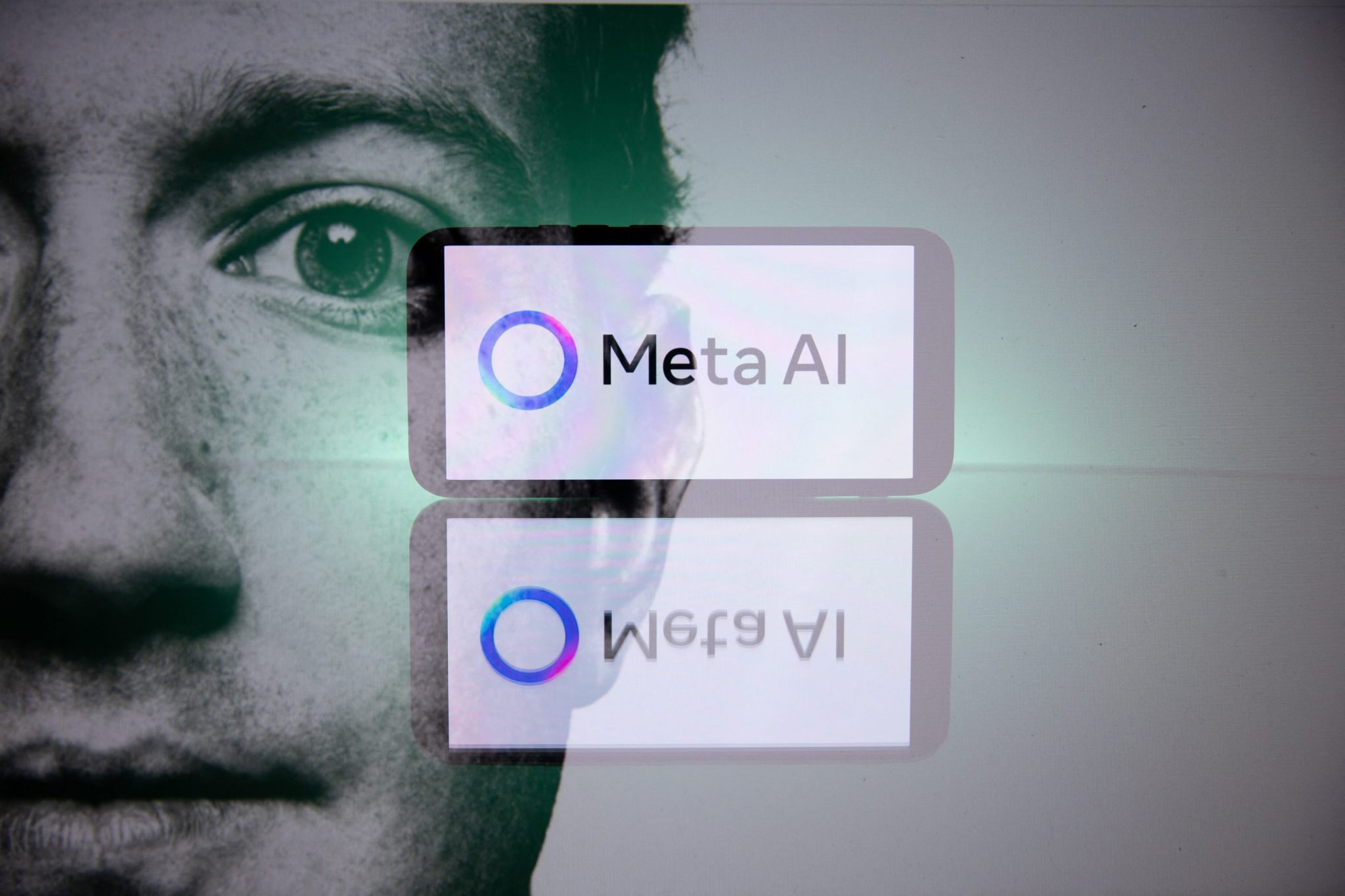
Double exposure photograph of a portrait of Mark Zuckerberg and a telephone displaying the Meta group s artificial intelligence logo at Kerlouan in Brittany in France on April 11 2025. (Photo by Vincent Feuray / Hans Lucas / Hans Lucas via AFP) (Photo by VINCENT FEURAY/Hans Lucas/AFP via Getty Images) (Credit: VINCENT FEURAY/Hans Lucas/AFP via Getty Images)

When Bernstein analyst Mark Shmulik sent a note to clients about Meta’s reported plans to cut 20% or more of its roughly 79,000-person workforce, he issued a warning. If Meta succeeds in redrawing the blueprint for an AI-enabled organization, he wrote, “others will rush to replicate it,” potentially triggering “a cascade of hurried pivots, half-formed strategies, and reactive restructuring across the ecosystem.”

The math alone is striking. Even at a 20% headcount reduction, Shmulik estimates Meta could realize $2 billion to $4 billion in cost savings this year and $5 billion to $8 billion in 2027 — translating to 3%–5% EPS upside in 2026 and 4%–7% in 2027. But he was quick to note the savings are more likely to be redeployed into AI infrastructure than returned to shareholders. Meta is already planning to spend $600 billion on data centers by 2028 and recently acquired AI startup Manus for at least $2 billion.

What makes the moment significant isn’t the scale of the cuts, but the context. Less than three weeks ago, Jack Dorsey laid off nearly half of Block’s 4,000-person workforce and made a blunt prediction to investors: within a year, most companies would reach the same conclusion. He didn’t have to wait the whole year.

Zuckerberg has been telegraphing the same logic. In January, he said he was starting to see “projects that used to require big teams now be accomplished by a single very talented person.” Reuters reported Friday that Meta is now targeting a 50:1 employee-to-manager ratio — unthinkable against the 7-to-15:1 long considered standard.

The competitive pressure is already visible elsewhere. Amazon confirmed 16,000 job cuts in January. Salesforce CEO Marc Benioff has said he “needs less heads” after cutting 4,000 from his customer support workforce. Economist Anton Korinek previously told Fortune the trend could mark “the beginning of a new era where white-collar jobs become threatened more seriously by AI. Once a few companies start the trend, competitive forces may induce others to follow suit.”

The central question Shmulik raises — and leaves open — is whether these cuts are genuinely AI-driven or whether AI is providing convenient cover for belt-tightening that would have happened anyway. “Fat exists in every organization,” he wrote, “but it’s usually not as clean as being concentrated in specific teams or individuals.”

“This is speculative reporting about theoretical approaches,” a Meta spokesperson told Fortune. That theoretical approach, of course, could set off a cascade of cuts.

Sign up to read this article
Read news from 100’s of titles, curated specifically for you.
Already a member? Sign in here
Related Stories
Top stories on inkl right now
One subscription that gives you access to news from hundreds of sites
Already a member? Sign in here
Our Picks
Fourteen days free
Download the app
One app. One membership.
100+ trusted global sources.