Prescription drug prices have managed to accomplish something politicians rarely do: unite almost everyone in America in collective annoyance.
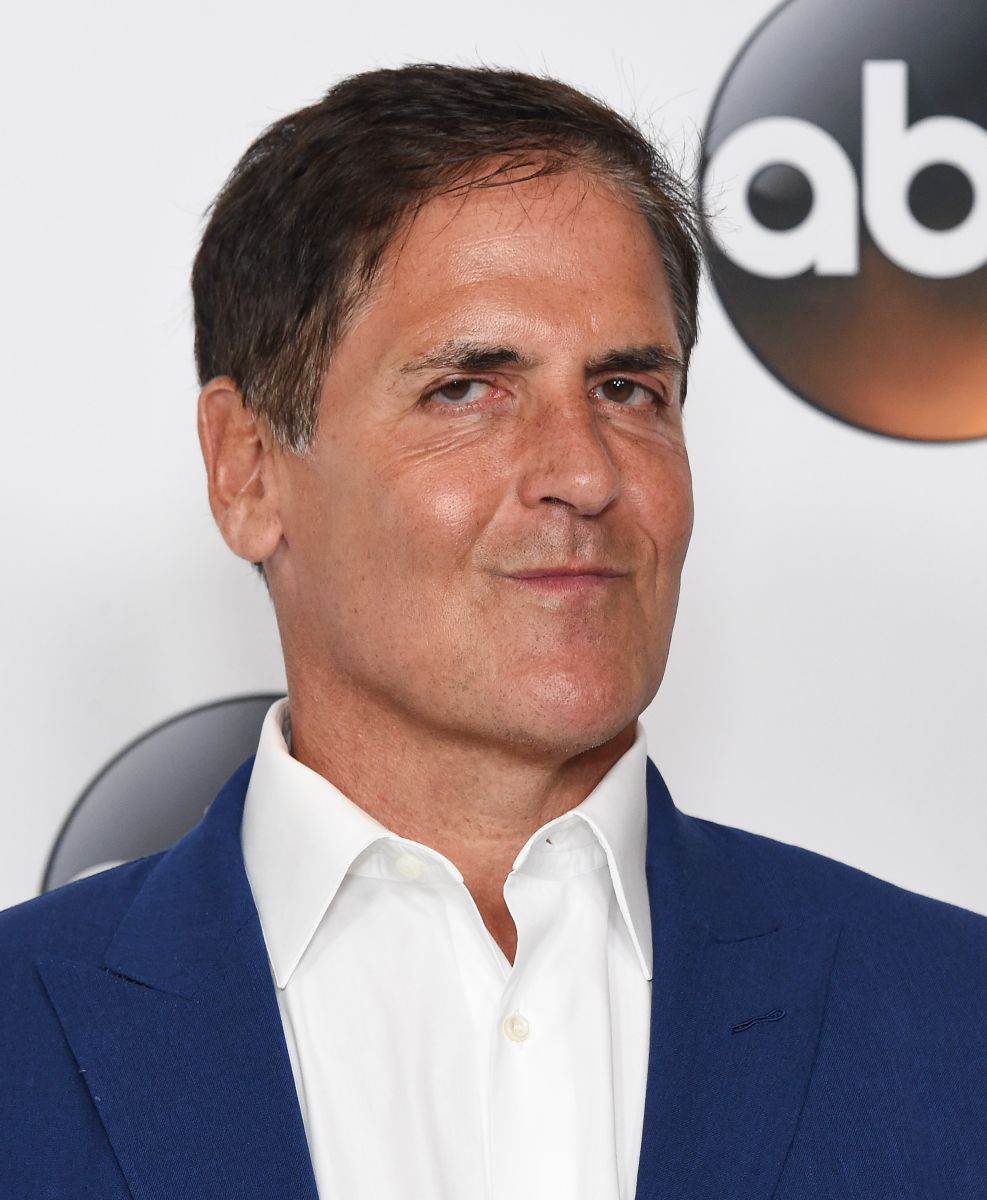
That was billionaire entrepreneur Mark Cuban’s point after a clipped White House video briefly sparked online debate over his appearance alongside President Donald Trump during a TrumpRx event focused on lowering medication costs.

“Thank you for having me, Mr President. I think other than you, I’ve been the biggest proponent of TrumpRx,” Mark Cuban said at the White House event in May.
A shortened clip posted online stopped there. Cuban quickly pushed back after the video circulated without the rest of his remarks.
“Aaron. Come on,” Cuban wrote in post on X last week. “Why did you cut off even the next lines where I say ‘republicans want cheaper drugs. Independents want cheaper drugs, democrats want cheaper drugs.’”
In the full remarks, the billionaire “Shark Tank” investor continued:
“Republicans want cheaper drugs. Independents want cheaper drugs, Democrats want cheaper drugs … and together, I think we’re going to do something special.”
A Startup-Style Push Into Health Care
The White House event centered on the expansion of TrumpRx.gov, a prescription-drug pricing portal that now includes hundreds of generic medications supplied through Mark Cuban Cost Plus Drug Company.
“This is a special partnership — 559 of those drugs are ours,” Cuban said during the event.
The collaboration reflects a rare intersection between government scale and startup-style disruption. Cuban’s Cost Plus model was built around a simple idea: publicly show the actual cost of drugs, add a fixed markup, and eliminate layers of middlemen that often drive prices dramatically higher for consumers.
For investors watching health care innovation, that is the more important story underneath the political noise.
Health care remains one of the largest and most fragmented industries in America, which is exactly why entrepreneurs, venture capital firms, and institutional investors continue targeting it aggressively. Companies that simplify pricing, remove friction, and scale efficiently can create enormous business opportunities while solving problems consumers already hate dealing with.
Cuban has repeatedly framed the effort less as a political project and more as a practical one.
“Anything that saves patients money is a win,” Cuban wrote in a separate March post on X defending the broader TrumpRx effort.
The Bigger Bet on Health Care Disruption
TrumpRx itself is not a public company, and Cuban’s Cost Plus Drug remains privately held. Regular investors cannot currently buy shares directly.
Still, the partnership highlights a broader trend Wall Street continues watching closely: health care disruption driven by transparency, direct-to-consumer platforms, and AI-powered efficiency models.
Drug pricing has become an especially attractive target because Americans continue paying significantly more for prescriptions than consumers in many other developed countries. Companies capable of lowering costs while maintaining scale stand to gain enormous attention from both patients and investors.
That is partly why health care startups focused on pharmacy delivery, telemedicine, AI-assisted diagnostics, and pricing transparency continue attracting billions in investment capital. Investors hunting for the next major health care breakout increasingly look for companies attacking inefficiencies the same way tech startups once targeted banking, transportation, and retail.
Cuban’s larger point, however, was surprisingly simple: People may disagree on politics. They rarely disagree on wanting cheaper prescriptions.
And for one billionaire entrepreneur who built his reputation betting on disruptive ideas, that kind of bipartisan frustration looks less like controversy and more like a business opportunity hiding in plain sight.