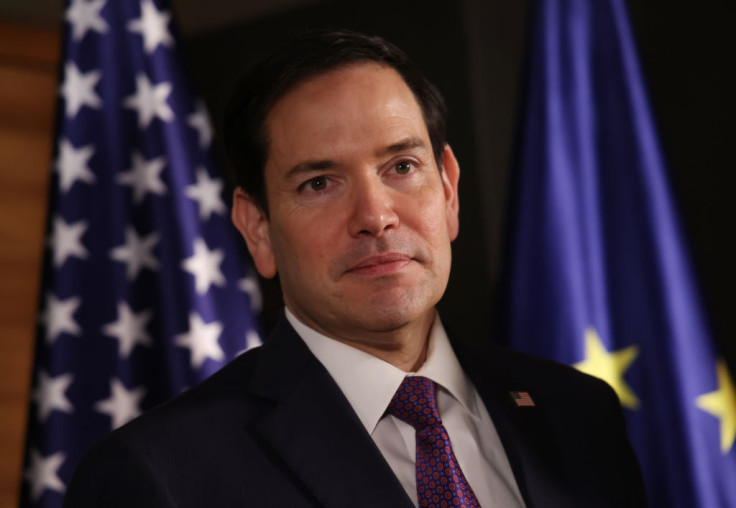
Secretary of State Marco Rubio announced new U.S. sanctions Thursday against one of Cuba's most powerful military-linked business groups, escalating the Donald Trump administration's pressure campaign against Havana.
The sanctions target Grupo de Administración Empresarial S.A., known as GAESA, the military-controlled conglomerate with deep ties to Cuba's tourism, finance, and commercial sectors. The U.S. also sanctioned Ania Guillermina Lastres Morera, identified as a GAESA leader, and Moa Nickel S.A., a state-owned mining company tied to Cuba's natural resources sector.
Rubio framed the move as part of a broader effort to weaken the Cuban government's economic base.
"The Trump administration is committed to promoting accountability for the Cuban regime's abuses and denying resources to those who enable its repression," Rubio said in a statement released by the State Department.
The new sanctions were issued under Trump's May 1 executive order expanding penalties on Cuban officials, state-linked companies, and foreign actors accused of supporting repression or threatening U.S. national security. The order targets sectors including defense, security, energy, metals, mining, finance, and transportation.
The announcement was made soon after Rubio met with Pope Leo in the Vatican. Insiders said that part of the conversation was about humanitarian help for the island.
GAESA has long been viewed by Washington as the financial engine of Cuba's military elite. The conglomerate has been linked to hotels, retail businesses, remittances, and other major parts of the island's economy, making it one of the most consequential targets in any U.S. sanctions push against Havana.
Rubio, a Cuban American from Florida and one of the strongest anti-Castro voices in U.S. politics, said more penalties could follow. "Additional designations can be expected in the following days and weeks," he said.
The move comes amid rising tension between Washington and Havana. Reuters reported Wednesday that Cuban officials accused the U.S. of making "dangerous" threats of possible military action after Rubio said the status quo in Cuba was unacceptable and after Trump suggested military options were not off the table.
Cuban Foreign Minister Bruno Rodríguez called the U.S. posture a threat to international law, while President Miguel Díaz-Canel described Trump's remarks about possible military pressure as an escalation, according to Reuters.
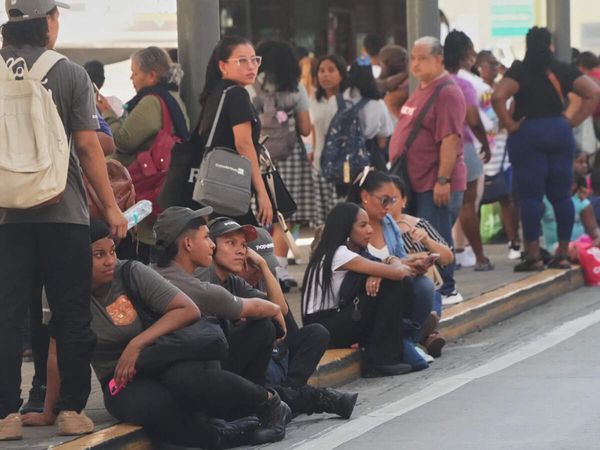
The sanctions also land as Cuba faces a severe economic and energy crisis, with blackouts, fuel shortages and declining state revenue worsening daily life on the island. U.S. officials argue the Cuban government uses military-linked companies to preserve political control while ordinary Cubans suffer.
For Cuban American congress representatives. The new sanctions confirmed that "Cuba is next," as Republican Carlos Giménez said on Social media.
🚨BREAKING —> Secretary Marco Rubio announces SWEEPING new SANCTIONS against the brutal dictatorship in Havana!
— Rep. Carlos A. Gimenez (@RepCarlos) May 7, 2026
MAKE NO MISTAKE: CUBA IS NEXT!🇨🇺🇺🇸🇨🇺🇺🇸🇨🇺🇺🇸 pic.twitter.com/3AS2vrwoBg
The Trump administration has made Cuba one of its main targets in Latin America policy, alongside Venezuela and Nicaragua.
© 2025 Latin Times. All rights reserved. Do not reproduce without permission.