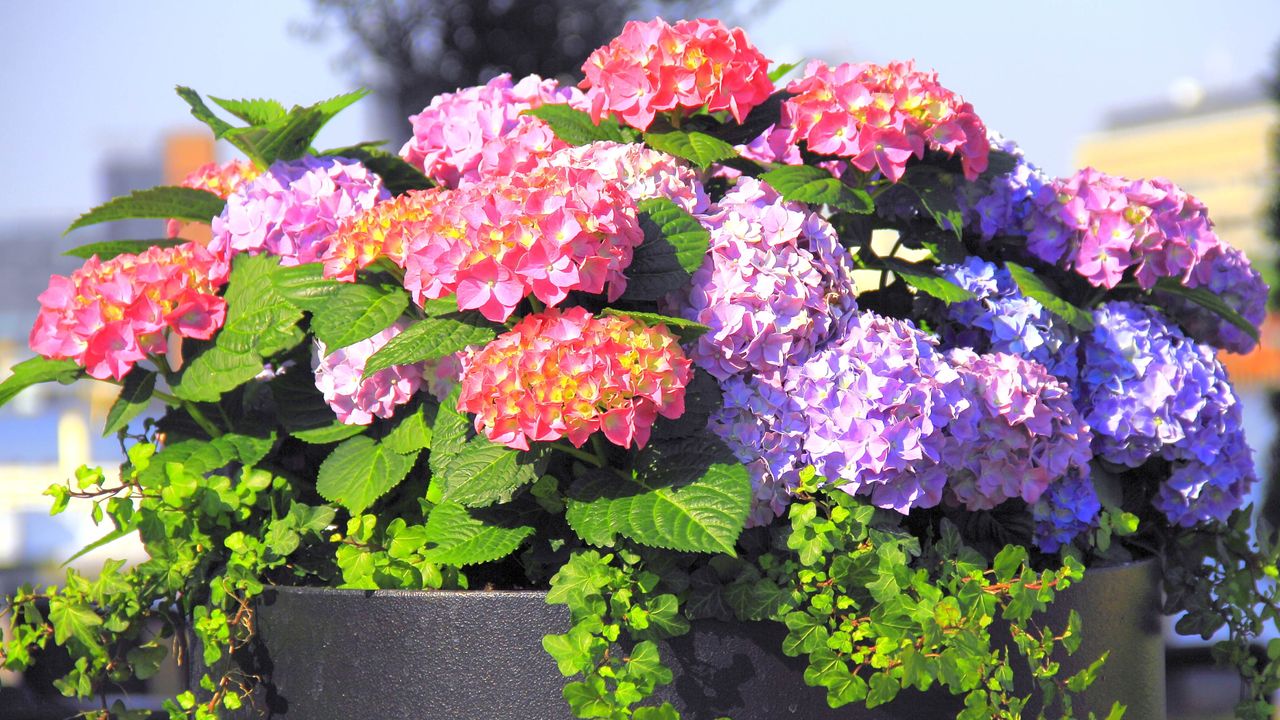
March sits at the intersection of winter dormancy and spring growth. Plants are waking up, but they haven't fully committed to new growth yet. This narrow window makes March the most critical month for certain garden tasks — miss them, and you'll deal with consequences all season.
Some plants need pruning before buds break. Others need planting now to mature in time for summer harvest. Get the timing right in March, and these plants thrive. Miss the window, and you're stuck with poor flowering, weak growth, or no harvest at all.
Here are five garden plants where March determines success or failure.
1. Roses
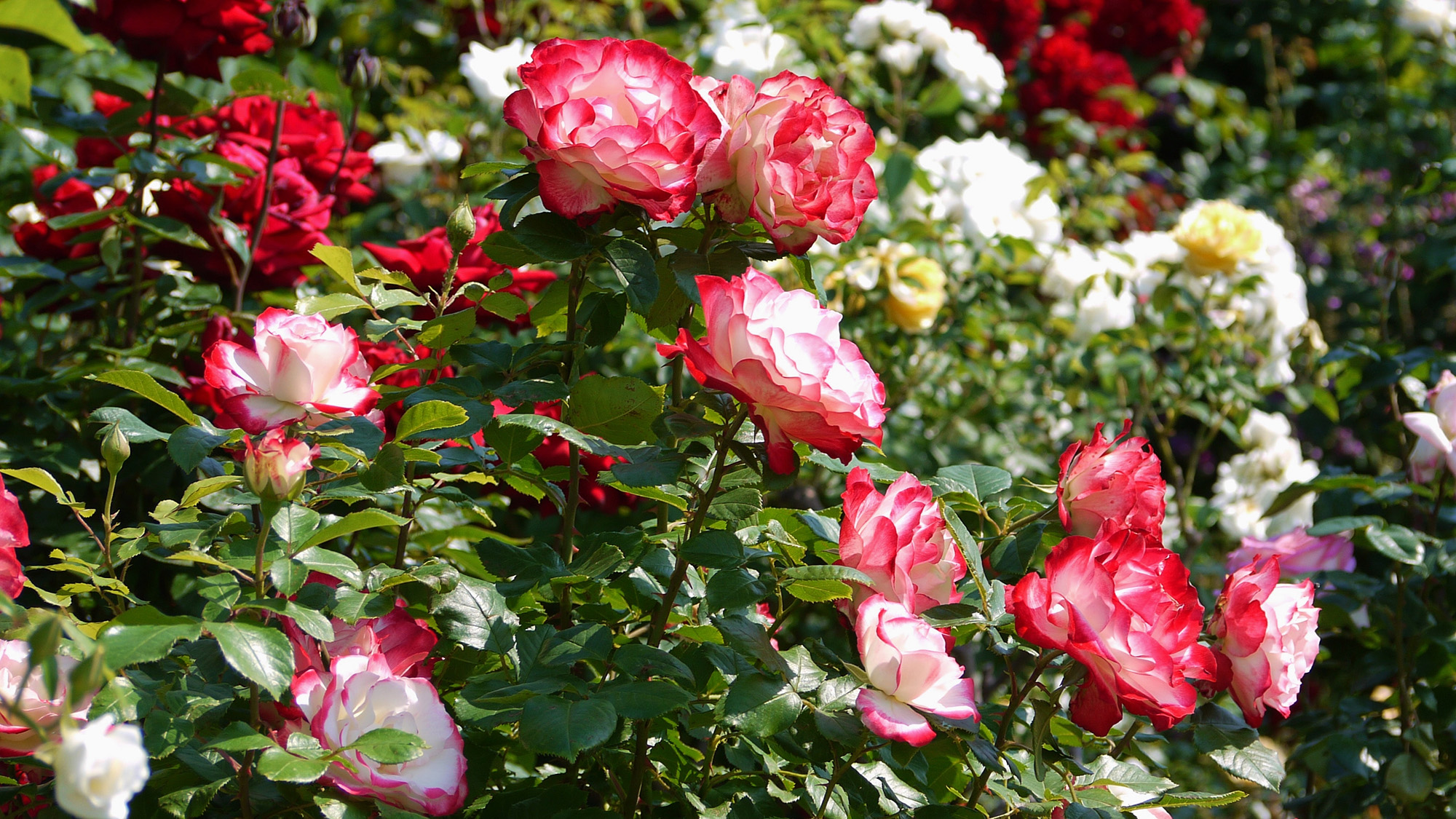
Roses need pruning before new growth starts, and March is the last chance to get it done. Prune too late, and you'll cut off buds that would have bloomed.
Cut back hybrid tea roses and floribundas to 8-12 inches above ground. Remove dead, damaged, or crossing branches. Climbing roses need lighter pruning, just remove dead wood and trim side shoots.
Roses pruned in March produce more flowers on stronger stems. Miss this window, and you'll get fewer blooms and leggy, unbalanced plants all summer.
2. Hydrangeas
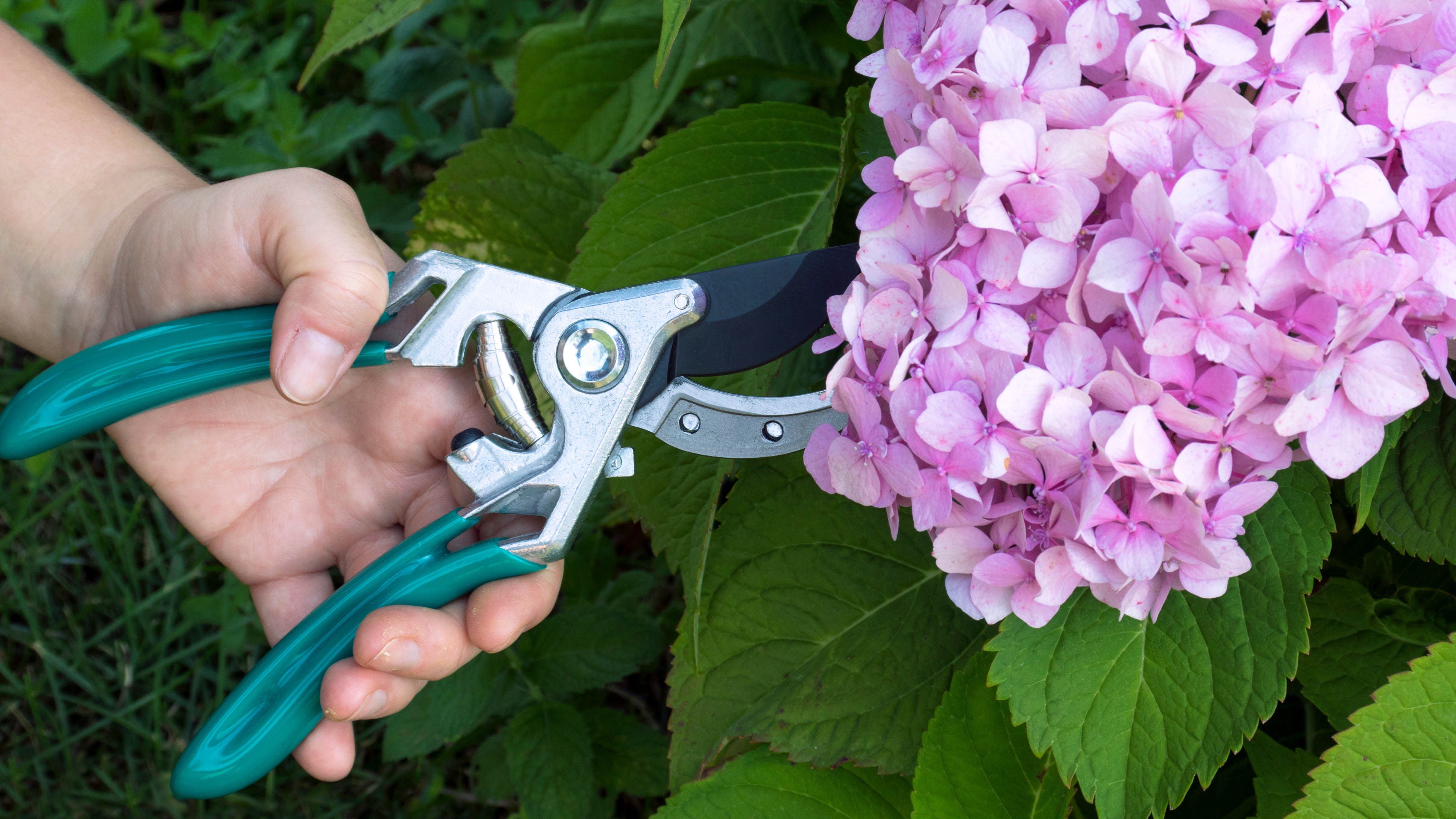
Different hydrangeas bloom on different wood, and pruning the wrong type in March eliminates all flowers for the year. You need to know which variety you have before cutting anything.
Hydrangea paniculata and arborescens bloom on new wood — cut these back hard to 12-18 inches in March. Hydrangea macrophylla (mophead and lacecap) bloom on old wood, so don't prune these beyond removing dead stems or you'll cut off flower buds already set.
Check your plant before pruning. If you see fat buds forming on last year's stems, leave them alone. Once growth starts in a few weeks, it's too late to prune without losing flowers.
3. Tomatoes (seedlings)

Tomatoes need 6-8 weeks of indoor growth before transplanting outside, which means March is when you need to start seeds. Start too late, and plants won't mature in time for summer harvest.
Sow seeds indoors in seed-starting mix, keep soil warm and provide bright light once seedlings emerge. March-started seedlings are ready to transplant outdoors in May when frost danger passes.
Miss March, and your tomatoes will be immature at planting time. They'll produce smaller yields, and fruit may not ripen before fall frost ends the season.
4. Lavender
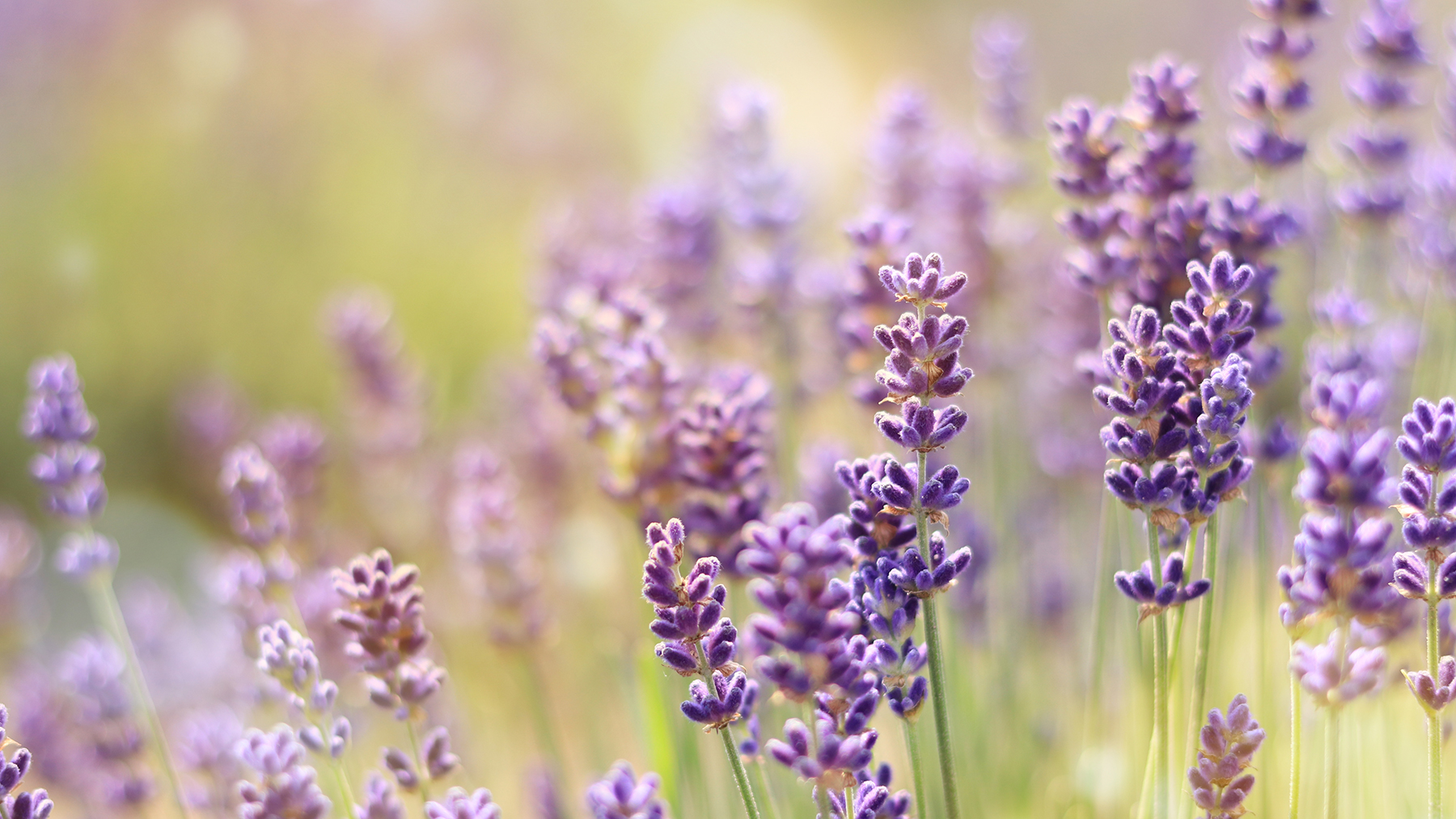
Lavender needs pruning in March before new growth emerges from the base. Prune too late in spring, and you'll cut off shoots the plant has already started producing.
Cut back about one-third of the plant's height, shaping it into a rounded mound. Don't cut into old, woody stems as lavender won't regrow from bare wood.
March pruning keeps lavender compact and covered in flowers. Skip it, and the plant becomes woody, sparse, and produces fewer blooms. Prune later in spring, and you'll delay flowering for the year.
5. Clematis
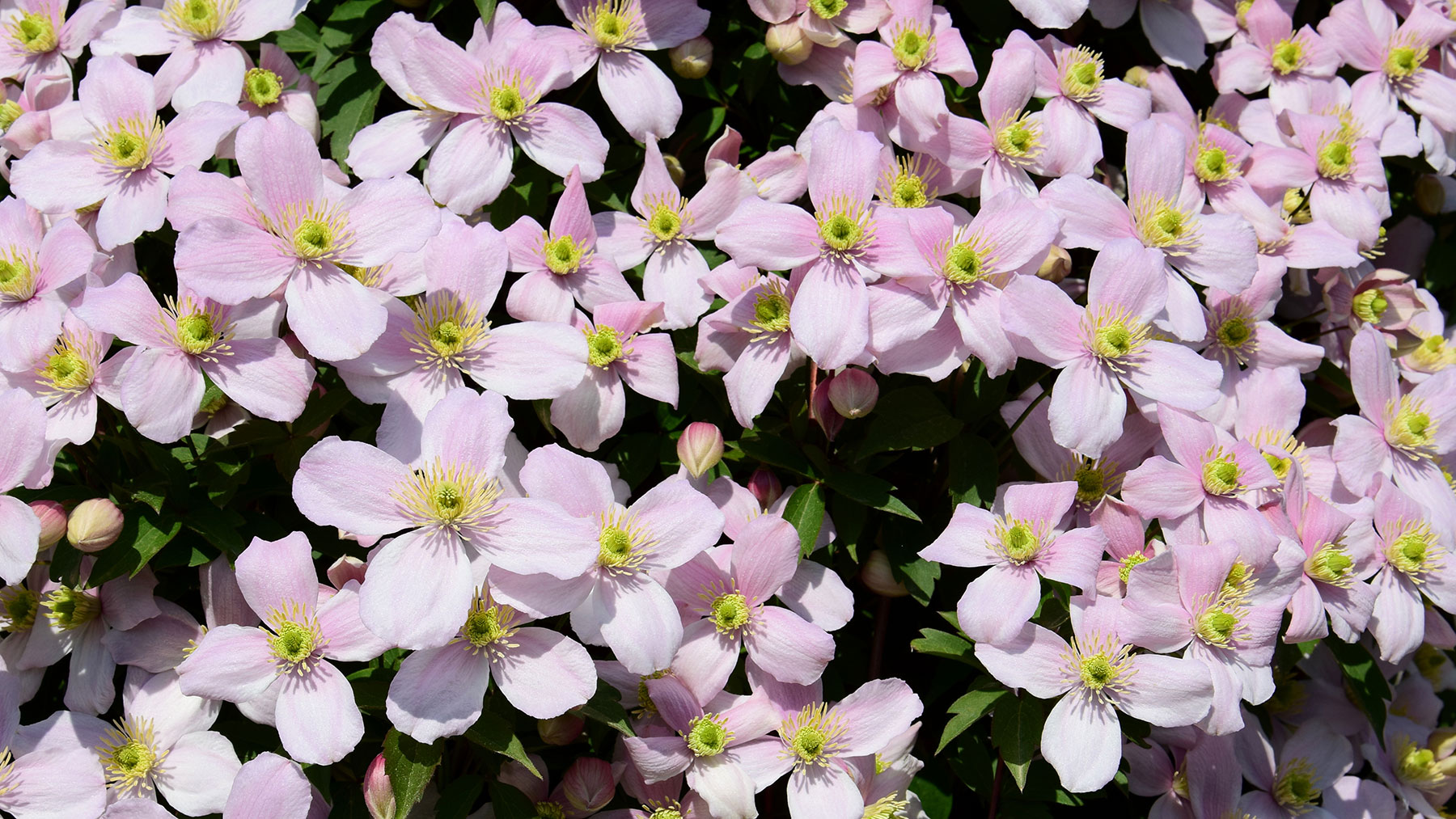
Clematis is a fast-growing climber that brings height and colour to fences, trellises, and arches. March is the key time to prune, but how much you cut depends on when your plant flowers.
Late-flowering varieties (often called pruning group 3) bloom on new growth and benefit from a hard prune now. Cut back to around 12–13 inches above the ground to encourage strong new shoots and better flowering later in the season.
Earlier-flowering types need a lighter touch, as they bloom on growth from the previous year. Cutting them back too hard in March can remove this season’s flowers, so if you’re unsure which type you have, it’s best to prune cautiously or wait until after flowering.