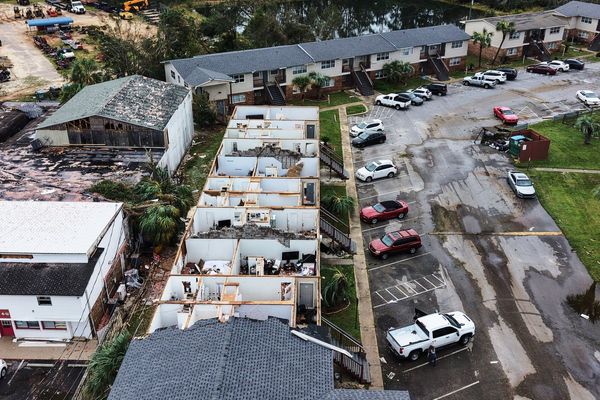
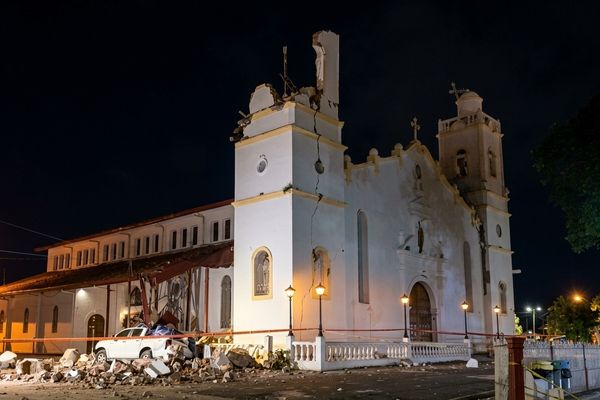
The UK is bracing for heavy snow and winds of up to 90mph, with amber “danger to life” warnings in place for large swathes of the country as Storm Goretti hits.
Amber weather warnings for heavy snow cover the Midlands, Yorkshire and the Humber, South West England and Wales, while Cornwall faces amber wind alerts for gusts of 80 to 90mph from 8pm on Thursday, with large waves and flying debris posing a potential “danger to life”.
Meanwhile, yellow weather warnings for snow, ice and rain are in place for the majority of the UK from Thursday to Friday.
London is forecast to see spells of rain and blustery conditions, but is expected to miss the worst of the severe weather affecting other parts of the UK, including heavy snow.
Met Office chief forecaster Neil Armstrong described Storm Goretti, named by Meteo France, as a “multi-hazard event”, bringing heavy rain, strong winds and snow.
A cold start to Thursday morning with snow and ice warnings across Scotland, northern England and Northern Ireland ❄️
— Met Office (@metoffice) January 7, 2026
Some cloud to start, with a few spots of drizzle ☁️
Turning milder, wetter and windier across parts of the southwest later ⚠️ pic.twitter.com/WEFFesKWPu
As much as 30cm of snow could fall in the Midlands while gusts of up to 90mph could batter more exposed coastal areas.
Amber warnings have an "increased likelihood of impacts from severe weather" compared to yellow warnings, meaning there is the possibility of travel delays, road and rail closures, power cuts and potential risk to life and property.
Mr Armstrong said five to 10cm of snow is likely widely in Wales and the Midlands, with 15 to 25cm and a potential for up to 30cm in some areas.
Strong winds with gusts of 50 to 60mph will likely affect south-western areas on Thursday afternoon and evening, with gusts of 60 to 70mph along exposed hills and coasts, the Met Office said.

The forecaster has issued an amber warning for heavy snow from Thursday evening into Friday, covering parts of Wales, the Midlands and South Yorkshire.
The snowfall will mean trains and planes could be delayed or cancelled, rural communities may be cut off, and power cuts and disruption to mobile signal are likely.
The warning stretches from Sheffield in the north, down to Leicester, across much of the West Midlands and into Wales.
It comes into force at 8pm on Thursday and ends at 9am on Friday.

National Highways issued its own amber warning for snow in the West and East Midlands, which lasts from 6pm on Thursday until 9am on Friday.
The agency said in a statement: "Routes particularly around Birmingham across to Leicester and Nottingham will see particularly difficult driving conditions and consideration of the weather forecast should be taken before commencing journeys, with considerable delays possible."
Drivers were also warned that the A628 Woodhead Pass would be closed both ways between the A616 at Flouch and the A57 at Hollingworth from 8pm on Thursday due to the severe weather.

An amber wind warning from 5pm to 11pm on Thursday has been issued across parts of Cornwall and the Isles of Scilly, as forecasters warn of 80-90mph gusts in "exposed places".
There is a further yellow warning for wind for much of south-west England from 3pm on Thursday to 6am on Friday.
There is also a yellow warning for snow and ice in Scotland from 10pm on Wednesday until midday on Thursday and a yellow warning for ice in Northern Ireland from midnight until 10am on Thursday.
A yellow snow warning has been issued for a large part of England and much of Wales, and will be in place from 5pm on Thursday until midday on Friday.

The Met Office said heavy snow may cause disruption and difficult travelling conditions.
Mr Burkill said 20cm or more of snow could settle, adding that is "enough to cause some severe disruption".
A yellow rain warning has also been issued across the east of England from 6pm on Thursday to 9pm on Friday, and in west Wales from midday on Thursday to 10am on Friday.
Amber cold weather health alerts have been issued by the UK Health Security Agency until January 11, meaning severe impacts across health and social care services are expected.
Officials expect a rise in deaths, particularly among those aged 65 and over or with health conditions, with impacts also possible on younger age groups.