
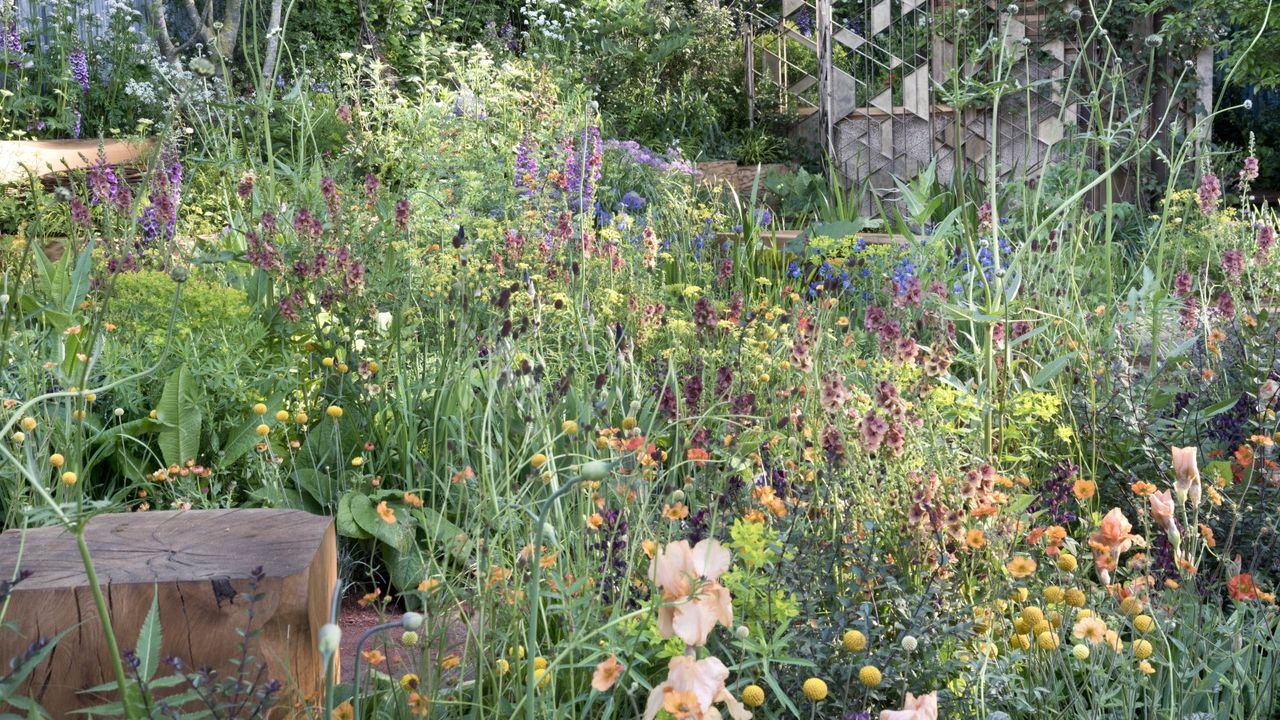
For glorious, show-stopping displays of summer flowers, savvy gardeners always change up their fertilizing game once plants start forming buds or displaying those first blooms. To follow suit and get the best show, a perfect summer flower fertilizer will be rich in phosphorus and potassium.
Those two essential plant nutrients encourage strong flowering or fruiting, making them perfect for early summer for any perennial or annual flowers, or fruiting crops like tomatoes, peppers, and cucumbers. On the contrary, it would be a mistake to feed these plants too much nitrogen.
Gardeners need to pick their summer flower fertilizer wisely. A product such as a bloom booster or tomato feed will be perfect, while a nitrogen-rich product will give more foliage and fewer flowers. That is not what you want in your summer flower beds, so don’t make this fertilizing mistake.
To help you find the right summer flower fertilizer for a dazzling display of flowers or a bountiful harvest of fruit, I drew on what I used while working as a professional horticulturist in public and private gardens and spoke with plant experts.
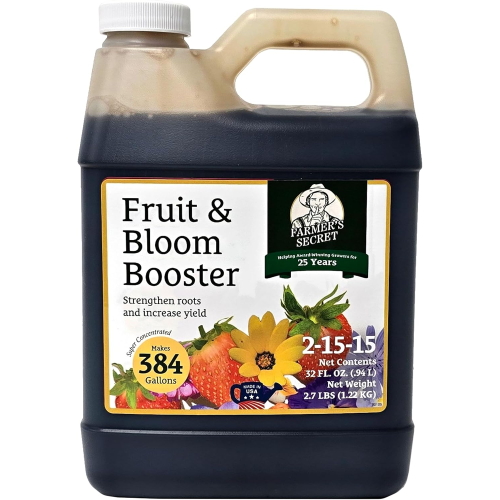
Lotte Berendsen, an expert from the plant care app PlantIn, says: 'One of my favorite fertilizers for the garden is Farmer’s Secret Fruit & Bloom Booster Fertilizer, which always helps my flowering plants thrive during the summer.'
The Ideal Summer Flower Fertilizer for Flowers and Fruits
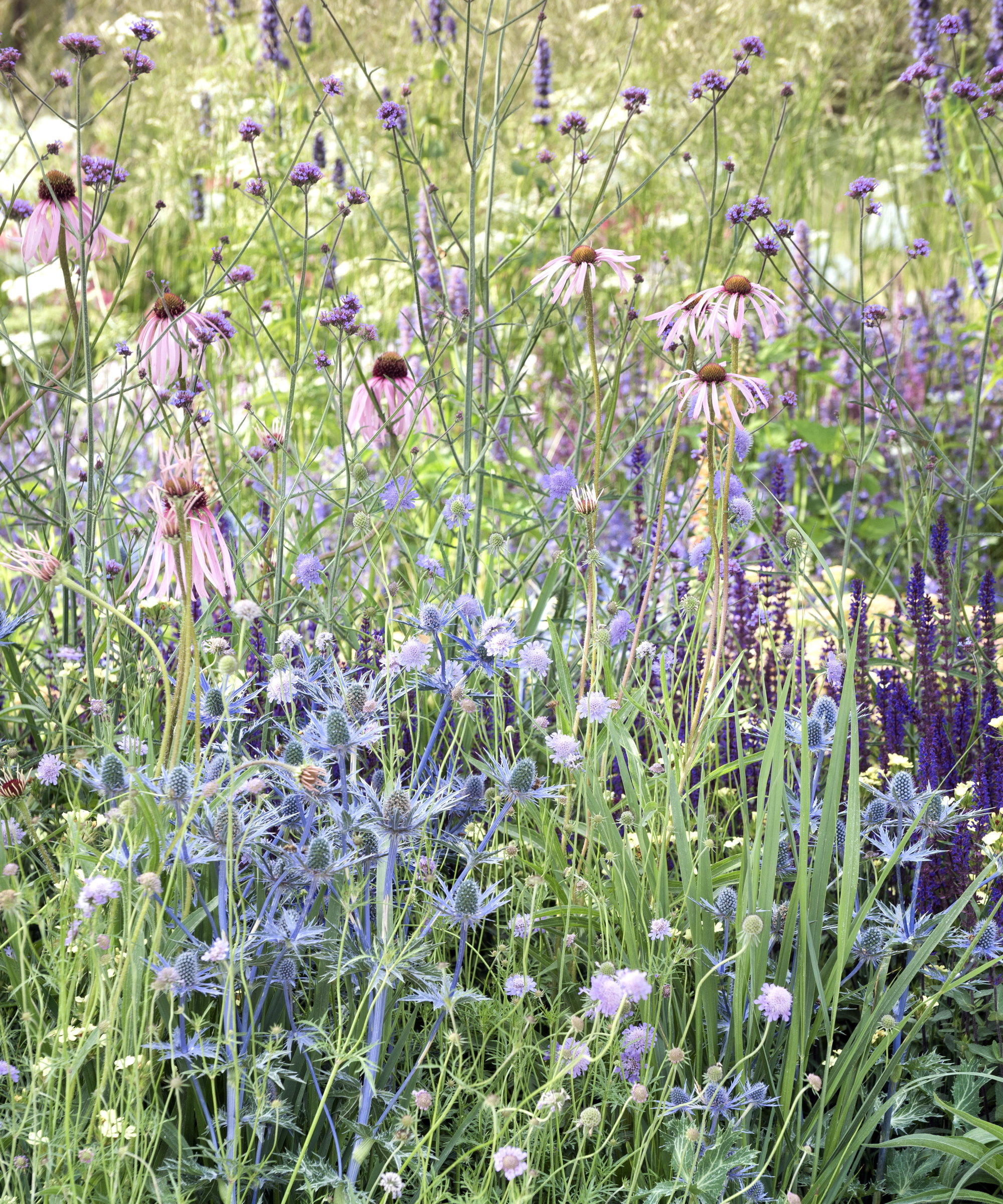
A key part of picking the right summer flower fertilizer is understanding what the different nutrients in a typical fertilizer do for plants.
After plants have worked hard to establish strong foliage earlier in the season, the focus needs to shift to developing strong roots (to cope with summer heat) and producing flowers or fruit. These two ambitions become more important in early summer than producing lots of leaves for plants grown predominantly for flowers and fruits, and targeted nutrients help fulfill these.
Tyler Potts from Tractor Supply Company claims that annual flowers, flowering perennials, flowering shrubs (including roses and hydrangeas), and fruiting crops (like tomatoes and peppers) are all plants whose nutrient needs change. He adds: ‘They need less nitrogen in summer and more phosphorus and potassium once flowering or fruiting begins’.
What is it about these two nutrients that makes them so vital in the summer to such a large number of plants? Lotte Berendsen, an expert from the plant care app PlantIn, explains why feeds with phosphorus and potassium are recommended at this time.
‘Both nutrients are crucial parts in the production of flowers,’ says Lotte. ‘Phosphorus aids in the transfer of energy throughout the plant, while potassium regulates water transport.
‘When shopping for fertilizers, look for the NPK ratio, which stands for the amount of nitrogen, potassium, and phosphorus in the feed. For flowering and fruiting plants, a fertilizer with an NPK ratio where the first letter (N) is the lowest is ideal.’
The best types of summer flower fertilizer, with the nutrient levels and plant fertilizer numbers outlined above, are ‘bloom booster’ products or feeds tailored for growing tomatoes. Products formulated for blooming and tomato feeds have higher amounts of P and K to stimulate flowering and fruiting.
Shop For Summer Flower Fertilizer
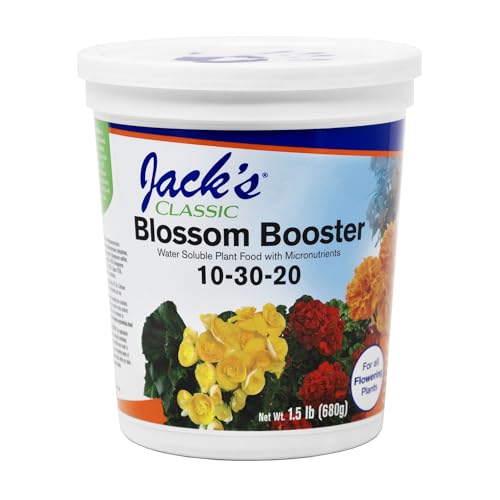
This bloom booster has an NPK ratio of 10-30-20 and comes as a powdered concentrate to mix with water. It has a measuring spoon to make the right mix.
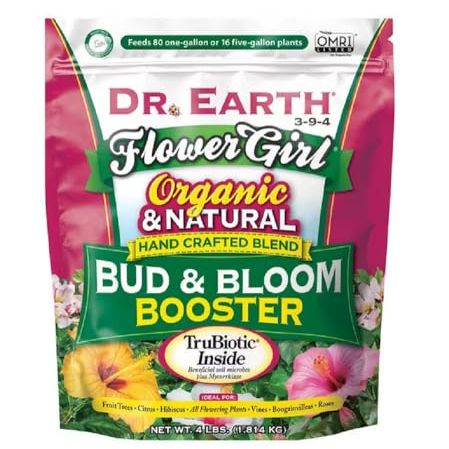
This bloom booster is made predominantly from ocean-based fertilizers like fish and seaweed. It has an NPK of 3-9-4 and can be mixed with the soil or made into a tea for watering plants.
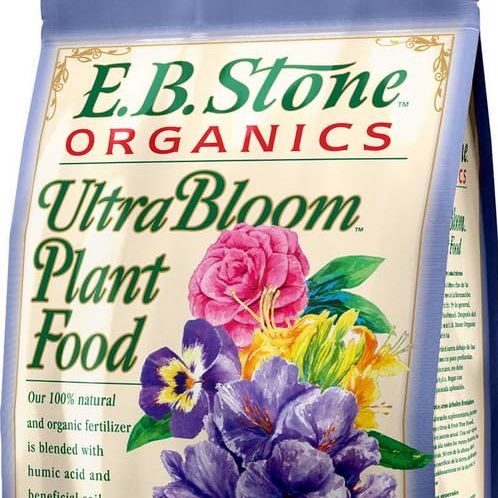
Lotte recommends: 'If you’re dealing with deficiencies or a significant lack of flowers or fruits, a 0-10-10 fertilizer such as Ultra Bloom can work wonders.'
When To Switch To Summer Feeds
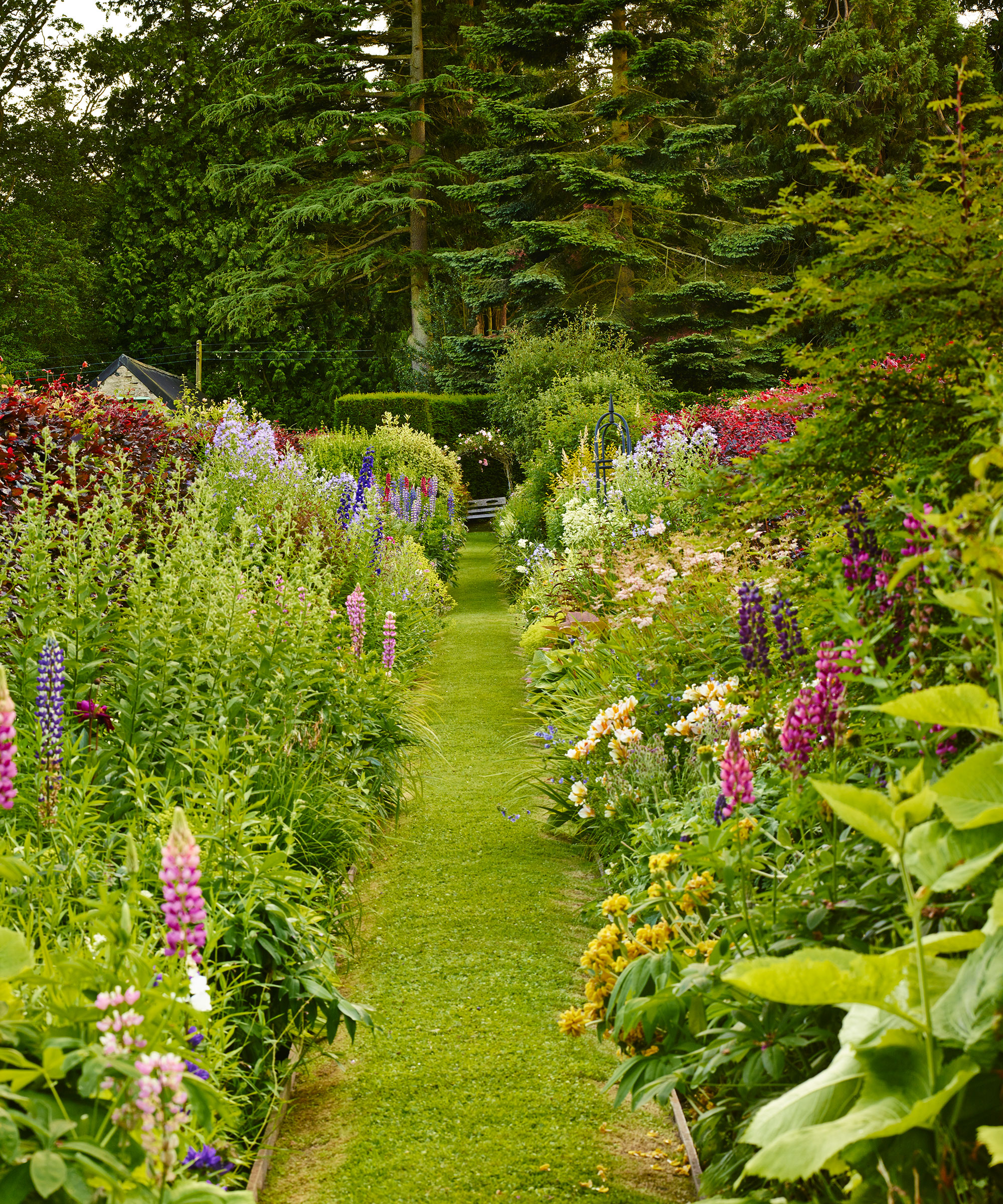
There are telltale signs that the time is right to change to summer flower fertilizers in your summer gardening checklist. Primarily, look for when the plants are starting to flower or set fruit – this is a key indicator that their nutrient needs have changed and the perfect time to switch feeds.
However, there are some less desirable signs you may see in summer that suggest your plants need a pick-me-up. As James Swartzentruber, CFO for HyR BRIX Fertilizer, suggests: ‘If you have large, healthy-looking plants but few flowers or fruit, it may be lacking in the nutrients required to develop them.’
A plant that looks leafy and green, but is not flowering or fruiting well, may be getting too much nitrogen and not enough phosphorus or potassium to develop lots of healthy buds and blooms. A dose of summer flower fertilizer can help provide these essential nutrients that it may be lacking.
To ensure your soil doesn’t lack any particular nutrients, it is often recommended to do a soil test every few years to check the levels. You can get a simple soil test kit to discover the soil’s nutrient levels and identify any amendments that may be needed before planting.
‘When you notice signs of deficiencies, such as pale green or purple discoloration, it’s time to apply fertilizers to your flowering and fruiting plants,’ says Lotte. ‘If you find any foliar symptoms on your plants, consider performing a soil test to see if your plant is lacking any vital nutrients.’
This soil test kit at Amazon offers a mail-in laboratory analysis and shows 13 different nutrient levels in your soil.
The Mistake To Avoid
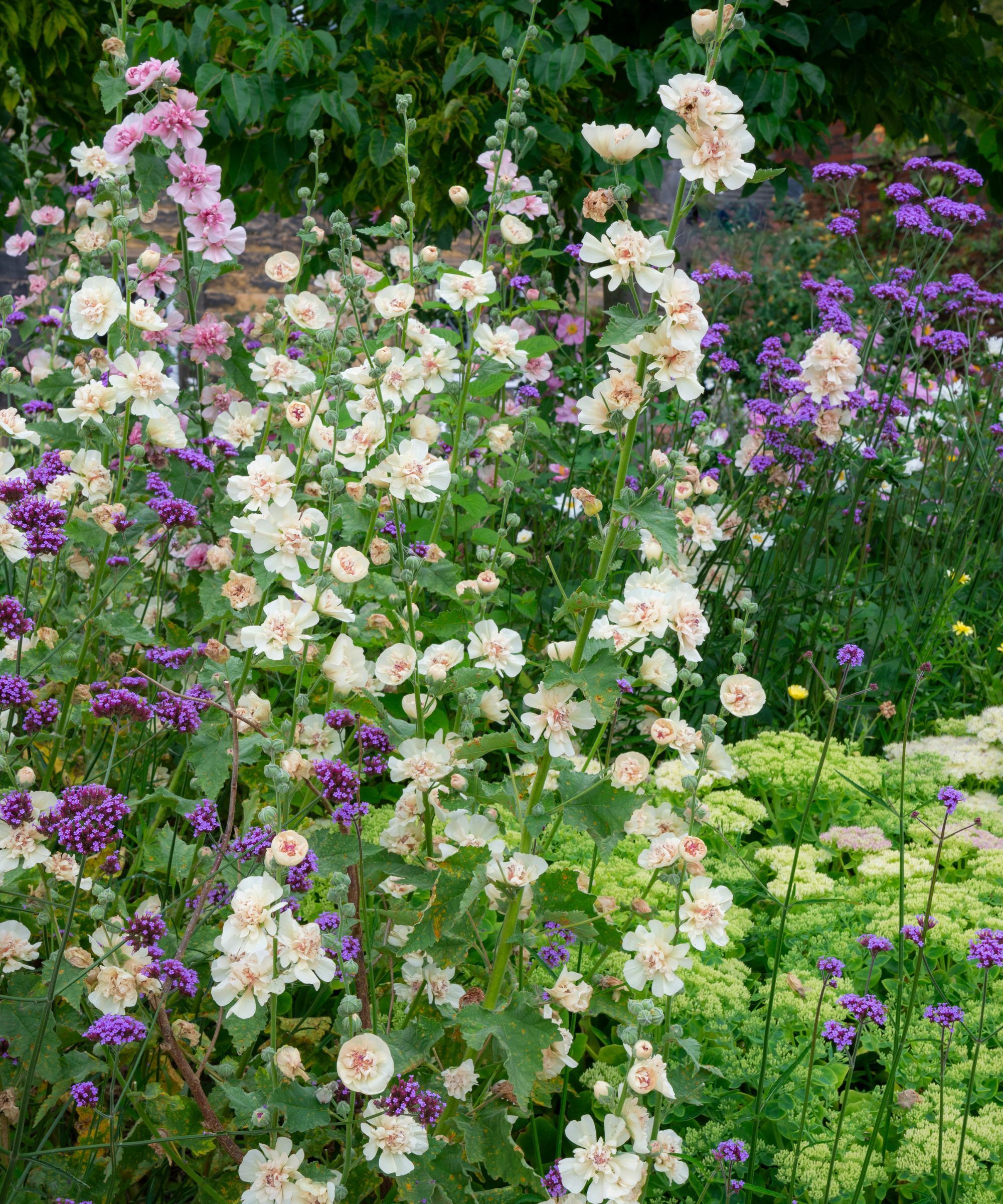
It is important not to feed flowering or fruiting plants with too much nitrogen during the summer.
If you are growing ornamental grasses, foliage plants (like coleus or hostas), or leafy greens (such as lettuce or chard), they do require lots of nitrogen, but the types of plants listed earlier won’t thrive with it.
Tyler Potts advises: ‘Too much nitrogen promotes leaves and stems instead of flowers and fruit. It can also cause weaker growth, delayed blooming, and increased pest and disease issues.’
Be careful when browsing the shelves or websites for products, as you can all too easily fall foul of giving flowering plants too much nitrogen. As Lotte warns, even balanced, all-purpose fertilizer often has more nitrogen than potassium or phosphorus.
‘This can lead to a reduction of flowers on your plants, as excess nitrogen encourages vegetative growth and inhibits the production of blooms,’ she says.
To stay safe, read any packaging carefully to see the nutrient make-up, and only ever use the products at the recommended rates.
Perennial and annual flowers will always perform at their best when gardeners regularly fertilize flower beds. An ideal routine involves feeding when plants start actively growing in the spring with a balanced feed, and then giving plants regular liquid feeds as above until early fall. Mulching around plants with organic matter also helps to boost the soil nutrients and retain moisture in the ground.
If you love inspiring garden ideas, outdoor advice, and the latest news, why not sign up for our newsletter and get the latest features delivered straight to your inbox?