Japan Airlines (JAL) will begin using humanoid robots for ground handling work at a major Tokyo airport from May in a multi-year trial designed to reduce pressure on staff and address labour shortages.
The Japanese flag carrier, in an announcement on Monday, said the project at the Haneda airport will be led by a JAL subsidiary and run with GMO AI & Robotics – a company that promotes the social implementation of artificial intelligence and robotics.
The two-year trial will initially focus on cargo handling tasks, including loading and unloading containers. Future uses could include aircraft cabin cleaning and operating ground support equipment used around planes, the companies said.
The trial was announced as Japan’s aviation sector faces growing staffing pressure linked to an “increase in inbound tourism coupled with a declining working-age population”. Japan Airlines said it employs about 4,000 ground handling workers.
In a media demonstration on Monday, Chinese-made robots were shown carrying out work near an aircraft. One machine, described as 130cm tall and manufactured by Hangzhou-based Unitree, was seen pushing cargo on to a conveyor belt and waving, reported the Guardian.
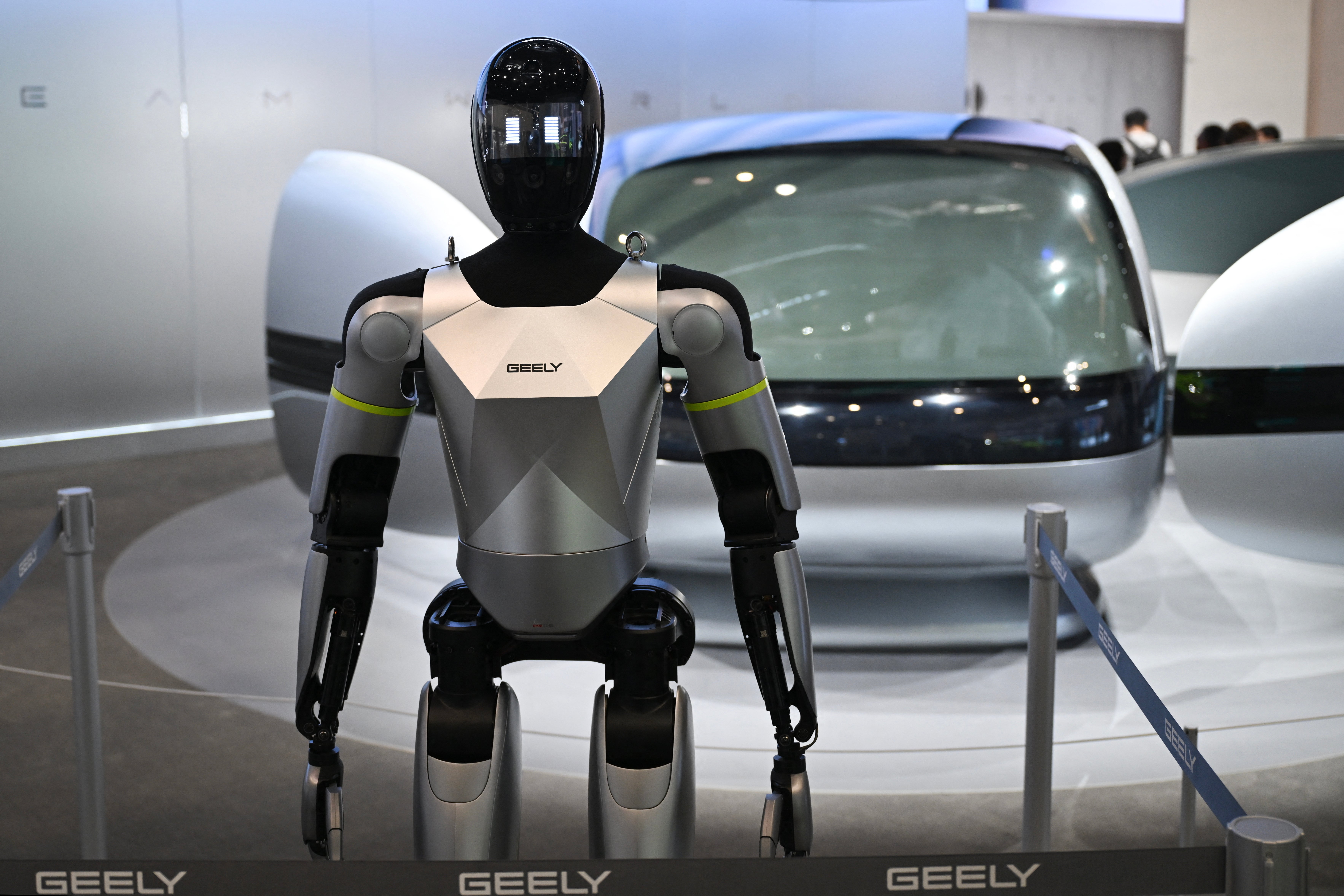
Japan Airlines and its partner said humanoid machines were chosen because they can work within existing airport facilities and aircraft layouts “without significant modifications”. The companies said fixed automated systems and single-purpose robots “have had difficulty adapting flexibly to these existing infrastructures and complex operational workflows”.
The phased test, beginning in May 2026, will first assess where robots can operate safely at airport sites. It will then move to repeated operational checks designed to mirror real airport conditions.
The companies said future plans include enabling robots to operate autonomously and widening the range of duties they can perform.
Tomohiro Uchida, president of GMO AI & Robotics, said: “While airports appear highly automated and standardised, their back-end operations still rely heavily on human labour and face serious labor shortages.”
Yoshiteru Suzuki, president of JAL Ground Service, said using robots for physically demanding work would “inevitably reduce the burden on workers and provide significant benefits to employees”, according to Kyodo news agency.
He added that some responsibilities, including safety management, would remain with human workers. Robots are already used at some Japanese airports for duties including security patrols and retail support.
Japan recorded more than seven million foreign visitors in the first two months of 2026, according to Japan National Tourism Organisation, which runs Japan's largest travel agency. The country received a record 42.7 million visitors last year.