Get all your news in one place.
100’s of premium titles.
One app.
Start reading
The Times of India
The Times of India
Lifestyle
etimes.in

Magnesium: Foods that are naturally rich in this heart supporting nutrient (and how to include them in diet)

The buzz around magnesium is so much that many people are blindly investing in supplements. Magnesium is a multi-functional nutrient that supports heart health, helps in nerve function, aids in healthy sleeping, and improves mood among several other roles. Hence, the buzz!

While it is advisable for many to buy magnesium supplements, as per their bodily requirements, for others dietary magnesium is enough to meet their daily needs. As a healthy practice, always try to meet your nutritional requirement through seasonal foods and then, if the symptoms of magnesium deficiency persists, consult a doctor and take appropriate dosage of magnesium supplements.

Optimal level of magnesium in the body drops the risk of heart diseases in both men and women

Magnesium regulates the electrical activity that controls heart rate. It works by balancing calcium and potassium levels in the cells. The correct magnesium levels help prevent abnormal heart rhythms or arrhythmias, ensuring that the heart beats in a stable and regular rhythm.

"Magnesium has lots of benefits in maintaining the health of the heart. It helps in intracardial contraction and myocardial contraction. It also keeps check on the number of the calcium ions that can enter the heart muscles. it helps in maintaining good cardiac rhythm," explains Dr. Sanjeev Chaudhary, Chairman- Cardiology , Marengo Asia Hospital Gurugram.

Inadequate magnesium can cause irregular heartbeats or even more serious cardiovascular problems such as palpitations or arrhythmias. It helps relax the blood vessels, which lowers blood pressure and reduces strain on the heart. This is particularly important for women, as they have a higher risk of heart disease after menopause.

"So, taking a diet rich in magnesium can help in maintaining our heart rhythm, it helps in maintaining contraction of the heart muscles and there is evidence of modest decrease in the risk of coronary heart disease in those men and women who take adequate amount of magnesium in their body," he added.

Who needs to take magnesium supplements?"Normal level or normal dietary intake of magnesium is very important and it has been seen that in patients with normal intake of magnesium or recommended diet, intake of magnesium leads to decreased arrhythmias, decrease in heart attacks and sudden cardiac death. We do not recommend magnesium supplements. But in those patients who have low levels of magnesium in the body, they can take magnesium either in the diet or with the pills and it improves the health of the heart and decreases the risk of sudden cardiac arrest," says Dr Rohit Goel - Principal Consultant - Cardiology, Max Hospital Gurugram.

"There are many forms of magnesium available for us to consume, magnesium orotate is the one of a best form of the magnesium because it does not have the laxative effect which other forms of magnesium has and otherwise orotic acid also keeps the heart healthy," Dr Chaudhary added.

A deficiency in magnesium has also been linked to conditions like anxiety, depression, and fatigue.

Dangerous ways Magnesium deficiency affects women

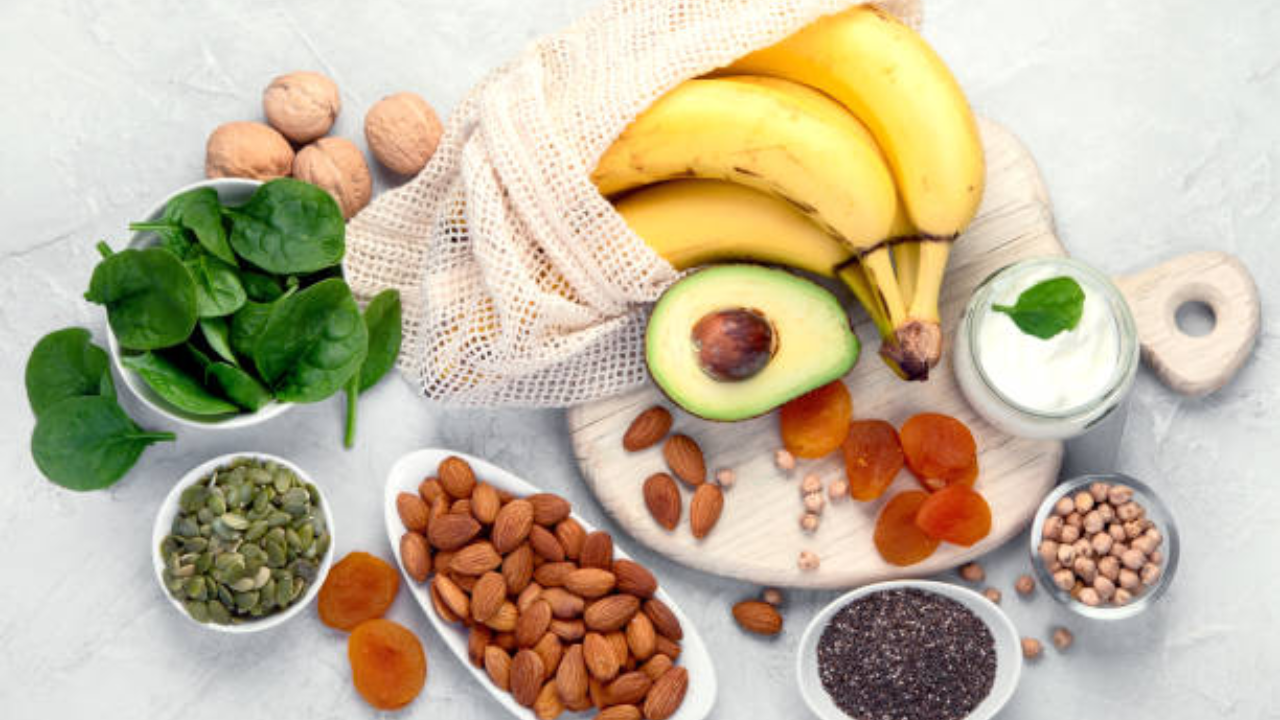
Here are certain foods that are naturally rich in magnesium

. The trick to increase the bioavailability of magnesium lies in how and when we eat the food. So read this article to find out everything you need to know about magnesium.

Green leafy vegetablesMagnesium in leafy greens helps regulate neurotransmitters that influence mood, such as serotonin, the "feel-good" chemical. Additionally, magnesium aids in balancing stress hormones like cortisol.

You can enjoy leafy greens in salads, smoothies, or sautéed with a bit of oil or ghee and garlic. Try adding spinach to your morning smoothie or include spinach raita into your lunchtime meal for an extra boost of magnesium.

Nuts and seedsAlmonds, cashews, and pumpkin seeds are particularly high in magnesium. In addition, chia seeds and flax seeds also provide a substantial amount of this essential mineral. You can add nuts and seeds to smoothies, yogurt, or oatmeal. Roasted almonds or cashews make a great snack, and seeds can be sprinkled over salads or baked into bread.

LegumesBeans, lentils, chickpeas, and black beans are all rich in magnesium. Magnesium from legumes can support healthy brain function and reduce symptoms of depression and anxiety. It helps in the synthesis of neurotransmitters that manage mood and stress.

Make legumes a part of soups, stews, or salads. Lentils make a great base for curries or grain bowls.

Whole grainsWhole grains such as brown rice, quinoa, oats, and whole wheat are packed with magnesium. Whole grains help maintain steady blood sugar levels, which is crucial for mood stability. They also support the production of serotonin, contributing to a calmer, more balanced state of mind.

Swap refined grains for whole grains in your meals. For breakfast, enjoy a bowl of oatmeal or whole-grain toast. At lunch or dinner, try a quinoa salad or brown rice as a side to your main dish.

BananasBananas are well-known for their high potassium content, but they also provide a good amount of magnesium.

Enjoy bananas as a snack, add them to smoothies, or slice them over oatmeal or yogurt. They also pair well with peanut butter for a tasty, nutrient-rich snack.

Dark chocolateGood news for chocolate lovers: dark chocolate is a significant source of magnesium, as well as antioxidants.

Opt for dark chocolate with at least 70% cocoa. A small square can be a satisfying treat, or you can use dark chocolate in baking, smoothies, or as a topping for yogurt and fruits.

Berries

Strawberries, blueberries, and raspberries are not only rich in antioxidants but also provide a decent amount of magnesium.

The combination of magnesium and antioxidants in berries can help reduce inflammation and oxidative stress, both of which are linked to mood disorders. Berries are great on their own as a snack or added to smoothies, yogurt, and oatmeal. You can also mix them into salads or use them in baking.

How to add magnesium rich foods to your diet smartly

Here are some tips to increase your intake of magnesium-rich foods:

Start your day with a magnesium-rich breakfast: Combine oats, chia seeds, and almond butter with a handful of berries for a nutrient-packed breakfast. Smoothies with leafy greens, bananas, and yogurt are also a great option.Snack wisely: Keep nuts, seeds, and dark chocolate on hand for easy snacks that will give you a quick magnesium boost.Cook with magnesium-rich ingredients: Use quinoa or brown rice as your base for meals, and add legumes, fatty fish, or tofu as your main source of protein. Stir in leafy greens for added benefits.Mix it up: Rotate your sources of magnesium to get a variety of nutrients. One day, have a spinach salad with avocado, and the next, enjoy a bowl of lentil soup.

Sign up to read this article
Read news from 100’s of titles, curated specifically for you.
Already a member? Sign in here
Related Stories
Top stories on inkl right now
One subscription that gives you access to news from hundreds of sites
Already a member? Sign in here
Our Picks
Fourteen days free
Download the app
One app. One membership.
100+ trusted global sources.