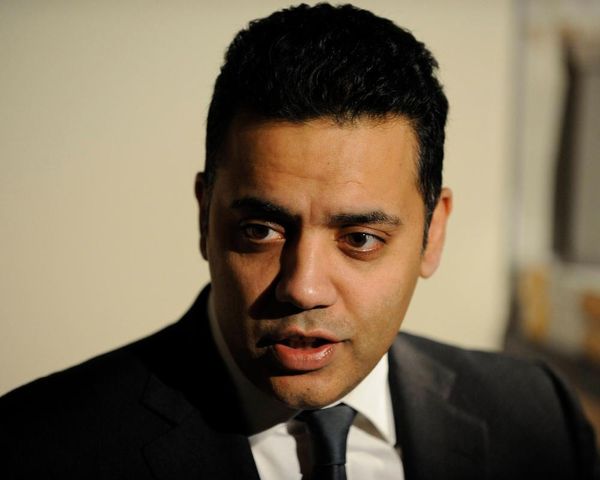
Ousted Venezuelan president Nicolás Maduro is due to appear in a New York City federal court today, his first public legal appearance since U.S. forces captured him in Venezuela over the weekend and transferred him to the United States. A motorcade carrying Maduro was seen leaving the Metropolitan Detention Center in Brooklyn early Monday ahead of his expected appearance, where he faces drug trafficking and weapons charges.
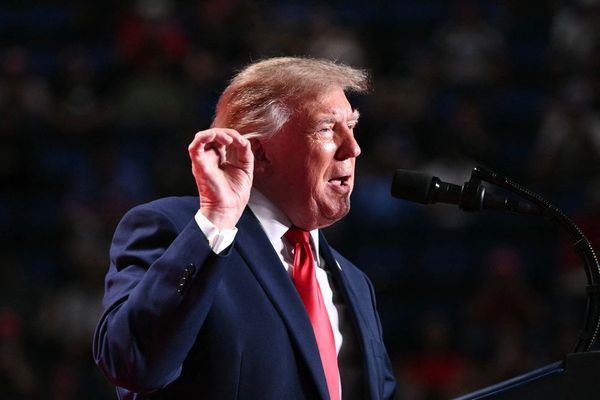
Maduro's court appearance comes amid escalating rhetoric from President Donald Trump, who late Sunday declared that the U.S. is now effectively running Venezuela following the operation that led to Maduro's capture. "We're in charge," Trump said when pressed aboard Air Force One about who currently governs the country, adding that Washington would oversee Venezuela's political and economic future for now.
According to U.S. officials, Maduro was taken into custody Saturday during a rapid U.S. military strike and flown to New York. The Venezuelan Supreme Court subsequently announced that Delcy Rodríguez, the former vice president, would assume leadership on an interim basis. Trump, however, warned Rodríguez that she could face consequences "probably worse than Maduro" if she does not cooperate with the U.S.
Trump said Rodríguez has sent mixed signals, claiming she privately indicated a willingness to work with U.S. officials while publicly insisting that Maduro remains Venezuela's legitimate president and calling for his immediate release. "She's cooperating," Trump said, adding that others in his administration had been in contact with her even though he has not spoken to her directly.
The president outlined a sweeping vision for Venezuela's future, saying the U.S. would allow American oil companies access to the country's vast petroleum reserves. "We're going to take our oil back," Trump said, arguing that U.S. companies helped develop Venezuela's oil industry and should now reclaim lost assets. He said the U.S. would not directly invest government funds but would rely on private companies to rebuild infrastructure and increase production.
Trump also suggested that elections in Venezuela would come later. "We're going to run everything, fix it. We'll have elections at the right time," he said, while declining to clearly define the current chain of command.
The president further warned that the U.S. is prepared to escalate militarily if necessary, saying it is "ready to stage a second and much larger attack" should events require it. At the same time, he said there were no immediate plans for intervention in Cuba, predicting its government would eventually collapse on its own.
In a Spanish-language statement, Rodríguez urged restraint, calling for "peace and dialogue, not war," and said that position reflected the will of the Venezuelan people. Markets reacted nervously to the unfolding crisis, with oil prices swinging as traders weighed the potential impact of U.S. control over Venezuela's energy sector.
As Maduro enters the courtroom today, the legal case against him unfolds alongside a far broader geopolitical confrontation, one that has raised urgent questions about sovereignty, international law and the future direction of Venezuela under unprecedented U.S. pressure.