Get all your news in one place.
100’s of premium titles.
One app.
Start reading
Fashion Times
Fashion Times
Lifestyle
Lara Galan

Luxury Fashion's Growth Is Cooling Off: The Fashion Industry Trends Shaping Designer Brands' Future

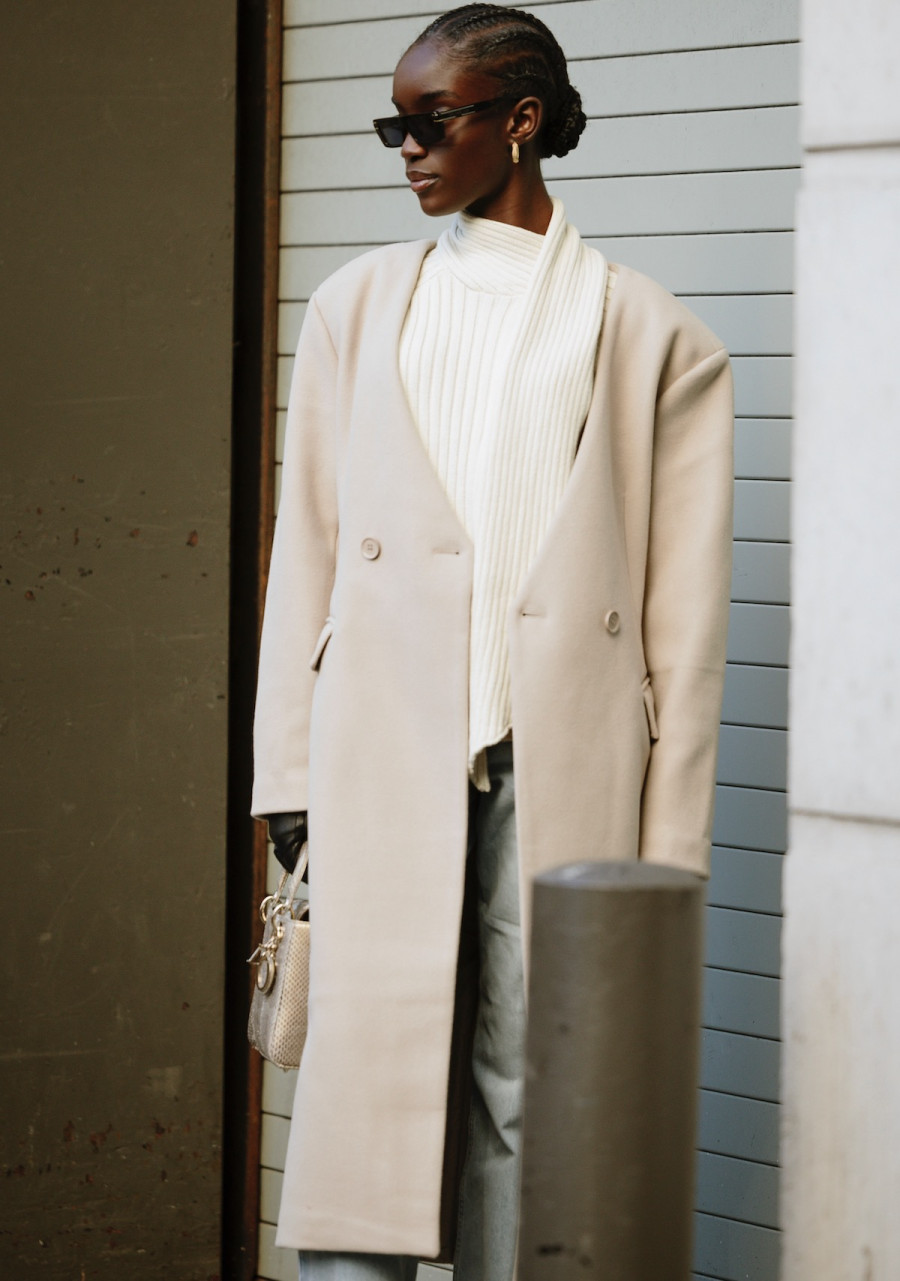
The street style set is embracing the quiet luxury trend. (Credit: Courtesy of Imaxtree)

The global luxury fashion market is entering a noticeably slower phase after years of rapid growth. Once driven by constant demand, expansion into new markets, and aggressive collection schedules, luxury brands are now facing softer sales, more cautious consumers, and increasing pressure to justify premium pricing. This luxury fashion slowdown is not a collapse, but it is a structural shift that reflects deeper fashion industry trends shaping how designer brands operate today and how the designer brands future may unfold.

Rather than signaling decline, this slowdown reveals how luxury fashion is recalibrating its values, pace, and relationship with consumers.
Why the Luxury Fashion Slowdown Is Happening

Several overlapping factors are contributing to the deceleration of luxury fashion. While economic uncertainty plays a role, the causes go beyond short-term financial cycles.

First, luxury consumers are becoming more selective. After years of logo-heavy products and constant launches, shoppers are reassessing what luxury truly means. Discretionary spending is being redirected toward experiences, travel, and long-term investments rather than trend-driven fashion.

Second, market saturation has reduced urgency. When luxury products are widely available across regions, digital platforms, and resale markets, exclusivity weakens. This challenges the traditional luxury model that depends on rarity and desire.

Third, rising production and operational costs are forcing brands to raise prices, sometimes faster than perceived value. This gap between cost and consumer confidence is a growing friction point across the industry.

Key Fashion Industry Trends Shaping This Slowdown

The current moment highlights several defining fashion industry trends that are reshaping luxury from the inside.

  • Slower fashion cycles: Many brands are reducing the number of collections per year to avoid overproduction.
  • Quality over quantity: There is renewed emphasis on craftsmanship, materials, and durability.
  • Values-driven consumption: Sustainability, transparency, and ethical sourcing are now baseline expectations rather than differentiators.
  • Digital fatigue: Constant online drops and social media hype no longer guarantee engagement or sales.

Together, these trends are encouraging brands to move away from volume-driven growth toward more deliberate strategies.

How Luxury Brands Are Adjusting Their Business Models

Luxury brands are responding to the slowdown by restructuring how they design, produce, and sell products. These changes are visible across both heritage houses and newer designer labels.

Key strategic adjustments include:

  • Tighter inventory control to reduce markdowns and protect brand equity
  • Selective distribution, limiting wholesale exposure and prioritizing owned channels
  • Longer product lifecycles, with fewer seasonal trends and more core collections
  • Higher storytelling focus, emphasizing brand heritage and creative vision

This shift reflects an industry-wide realization that constant acceleration is unsustainable, both financially and creatively.

Laid-back luxury. (Credit: Courtesy of Paloma Wool)

What the Slowdown Means for Designers

For designers, the luxury fashion slowdown introduces both constraints and opportunities. While commercial pressure remains high, the environment is becoming less obsessed with speed and novelty.

Creatively, designers are being encouraged to:

  • Develop stronger, more cohesive brand identities
  • Focus on timeless silhouettes rather than viral moments
  • Experiment with materials, tailoring, and construction instead of trend mimicry

However, designers must also navigate tighter budgets and more cautious investors. Success increasingly depends on balancing artistic integrity with strategic restraint—an approach that may ultimately strengthen long-term relevance.

Emerging Designers and the Changing Luxury Landscape

The slowdown is particularly impactful for emerging designers. Entry into the luxury market is becoming more selective, with buyers and investors prioritizing sustainability and long-term vision over rapid growth.

At the same time, opportunities are opening in alternative spaces:

  • Independent labels with small-batch production
  • Direct-to-consumer luxury models
  • Niche craftsmanship-focused brands
  • Digital-first storytelling without mass distribution

In this context, the designer brands future may favor depth over scale, allowing smaller brands to compete through authenticity rather than volume.

Consumers Are Redefining Luxury Value

Consumer behavior is playing a decisive role in the luxury fashion slowdown. Shoppers are no longer equating luxury solely with price or branding.

Notable shifts include:

  • Increased interest in resale, vintage, and archival pieces
  • Preference for subtle design over conspicuous logos
  • Investment in fewer, higher-quality garments

These behaviors signal a more educated luxury consumer, truly one who values longevity, personal style, and ethical alignment.

Is the Luxury Fashion Slowdown a Crisis or a Correction?

Historically, luxury fashion has experienced cycles of expansion and consolidation. The current slowdown appears less like a crisis and more like a recalibration.

Rather than chasing growth at all costs, brands are being forced to:

  • Reevaluate pricing strategies
  • Reconnect with craftsmanship and design integrity
  • Build sustainable relationships with consumers

From this perspective, the slowdown may ultimately create a healthier, more resilient luxury ecosystem.

Conclusion

The luxury fashion slowdown is reshaping how designers, brands, and consumers define value. While growth may be slower, the industry is moving toward more thoughtful production, meaningful creativity, and sustainable business practices. As key fashion industry trends continue to evolve, the designer brands future will likely belong to those who prioritize substance over speed and vision over volume.

Frequently Asked Questions

1. What is causing the luxury fashion slowdown?

The slowdown is driven by economic uncertainty, consumer fatigue with overproduction, rising prices, and shifting values toward quality and sustainability.

2. How does the luxury fashion slowdown affect designers?

Designers face more cautious budgets but also gain opportunities to focus on craftsmanship, timeless design, and stronger brand identities.

3. Is luxury fashion losing popularity?

Luxury fashion is not losing relevance, but consumer expectations are changing. Demand is shifting toward value-driven, long-lasting products rather than fast trends.

4. What does the future look like for designer brands?

The designer brands' future is likely to emphasize slower growth, selective distribution, sustainability, and deeper connections with consumers rather than rapid expansion.

Sign up to read this article
Read news from 100’s of titles, curated specifically for you.
Already a member? Sign in here
Related Stories
Top stories on inkl right now
One subscription that gives you access to news from hundreds of sites
Already a member? Sign in here
Our Picks
Fourteen days free
Download the app
One app. One membership.
100+ trusted global sources.