Lunar prospectors are racing to claim the Moon's most valuable resource, Helium‑3, a rare isotope with the potential to revolutionise energy production on Earth. With private companies investing millions into lunar missions, the race is heating up, promising not only scientific breakthroughs but also a commercial gold rush beyond our planet. Experts say the next decade could see the Moon shift from a distant curiosity to a hub of high-tech mining activity. Space law experts say current treaties lack clear rules for commercial extraction on the Moon, heightening the risk of disputes as mining efforts advance

Private Companies Are Racing to Claim Helium‑3 and Dominate Lunar Mining Soon
Seattle-based startup Interlune is at the forefront of lunar prospecting. Founded by former NASA engineer Rob Meyerson, the company has secured $18 million (£13.62 million) in funding to map and extract Helium‑3 from lunar soil. 'My view is that it's not a question of if, it's a matter of when', Meyerson says. According to The Guardian, Interlune plans to launch a multi-spectral camera to the Moon's south pole in 2025 to pinpoint Helium‑3 deposits before sending sample-gathering missions in 2027.
Japan-based ispace and US startup Magna Petra are also making waves, using AI-powered robotics to optimise lunar mining operations. Their partnership aims to create energy-efficient, autonomous systems capable of processing lunar soil with minimal human intervention.
Helium‑3 Could Transform Energy on Earth and Spark a Global Space Rush
Helium‑3 is scarce on Earth but abundant on the Moon, deposited over billions of years by the solar wind. Its potential applications range from nuclear fusion to quantum computing and even medical imaging. Analysts predict that even small quantities could fetch millions on the global market, driving demand and investment in lunar mining ventures.
AI and Autonomous Robots Are Making Lunar Mining Faster and Safer
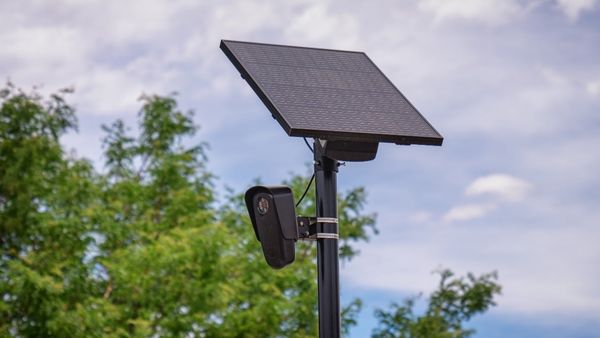
Autonomous robots, solar-powered excavation units, and AI-controlled processing systems are central to the Moon mining operation. These machines can dig, extract, and prepare Helium‑3 for transport back to Earth, reducing costs and operational risks. The dropping price of space travel over the past decade has made such ambitious projects feasible for private firms, turning science fiction into near-future reality.
NASA and China's Missions Are Opening Doors for Private Lunar Companies
Government-backed lunar missions are creating opportunities for commercial companies. NASA's Artemis programme, which recently executed the first human Moon fly-by since 1972, provides critical data and infrastructure support for private ventures. China's upcoming crewed lunar missions also open avenues for collaboration or competition. Experts note that public missions can accelerate private operations, giving companies a head start in the emerging lunar economy.
Legal, Technical, and Environmental Hurdles Could Delay Moon Mining Efforts
Despite optimism, legal, technical, and environmental hurdles remain. The Outer Space Treaty leaves ambiguity over commercial resource rights, while lunar terrain and harsh conditions present operational risks. Companies must also navigate international competition and investor expectations to keep projects financially viable.
The Moon may soon become a commercial frontier, with Helium‑3 at the centre of a high-stakes space race. Private companies are betting millions on lunar prospects, signalling that humanity's next economic boom may begin hundreds of thousands of kilometres from Earth.