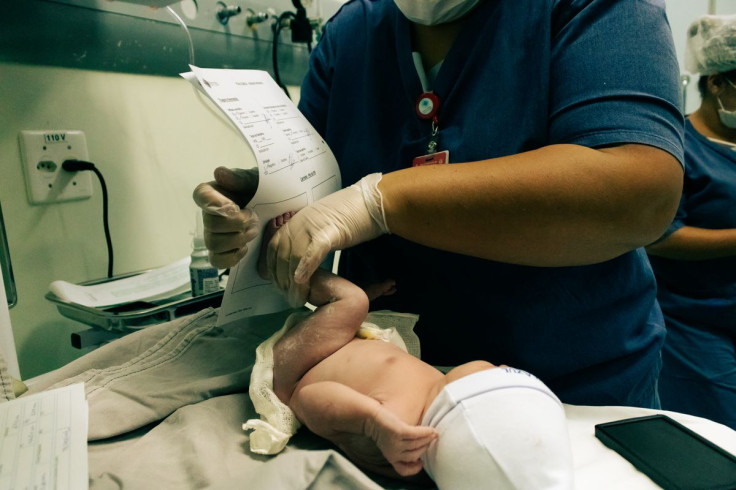
Ministers are urgently developing plans for live-streaming 'cot cams' and other video monitoring in neonatal units across England following the publication of the Thirlwall Inquiry into the crimes of former nurse Lucy Letby.
The 822-page report found serious failures in governance, leadership and safeguarding at the Countess of Chester Hospital, where Letby was convicted of murdering seven babies and attempting to murder seven others. Lady Justice Thirlwall concluded that some babies would have been saved and others protected from harm if concerns about Letby had been acted on earlier.

Health and Social Care Secretary Yvette Cooper has backed the introduction of video baby monitors and asked officials to urgently develop plans for 'cot cams'. The government has begun work on several recommendations while preparing its wider response to the inquiry.
Cot Cams Among Wider NHS Reforms
The proposed 'cot cams' would allow babies to be monitored remotely and help parents stay connected when they cannot be physically present.
Other measures include new guidance on the safe use and storage of insulin, stronger guidance for medical examiners reviewing neonatal deaths and a barring scheme for senior NHS leaders who fail in their responsibilities.
The government is also creating a single tracker to monitor recommendations from major maternity and neonatal reviews and inquiries.
The Nursing and Midwifery Council apologised for its handling of the case, acknowledging that it did not act quickly enough to suspend Letby.
Inquiry Found Failures To Protect Babies
Lady Justice Thirlwall said staff did not need to be certain a colleague was guilty before raising concerns or taking safeguarding action when deliberate harm was suspected.
The inquiry identified several missed opportunities to intervene. Three babies died in one cluster in June 2015, while senior doctors later raised concerns about Letby's connection to unusual deaths and serious incidents on the neonatal unit.
Thirlwall concluded that if Letby had been removed from the unit in October 2015, when senior managers were alerted to concerns, Babies O and P would not have died in June 2016, while five other babies would not have suffered harm.
A separate finding involved an insulin result concerning a baby boy in August 2015. Thirlwall said that if it had not been disregarded, three newborns might not have died and seven others could have been protected. She stressed that the precise number of deaths and attacks that might have been prevented could never be known.
The inquiry also criticised the treatment of families, finding that parents were kept unaware for years of concerns that their babies might have been deliberately harmed. Thirlwall described their treatment as reprehensible.
The report also identified failures by external organisations involved in NHS oversight and safeguarding, including the Care Quality Commission.
Letby Legal Challenge Continues
Letby's legal team has questioned the government's response to the inquiry. Her barrister, Mark McDonald, argued that ministers had moved too quickly while the Criminal Cases Review Commission considers new expert evidence submitted on her behalf.
The CCRC process is separate from the Thirlwall Inquiry, which examined how concerns about Letby were handled at the hospital and whether opportunities to protect babies were missed. It did not examine her convictions or trial evidence.
Cheshire Police said its investigation into possible corporate manslaughter and gross negligence manslaughter involving former hospital executives remains ongoing.
The government will consider all of Thirlwall's recommendations before publishing its full response.