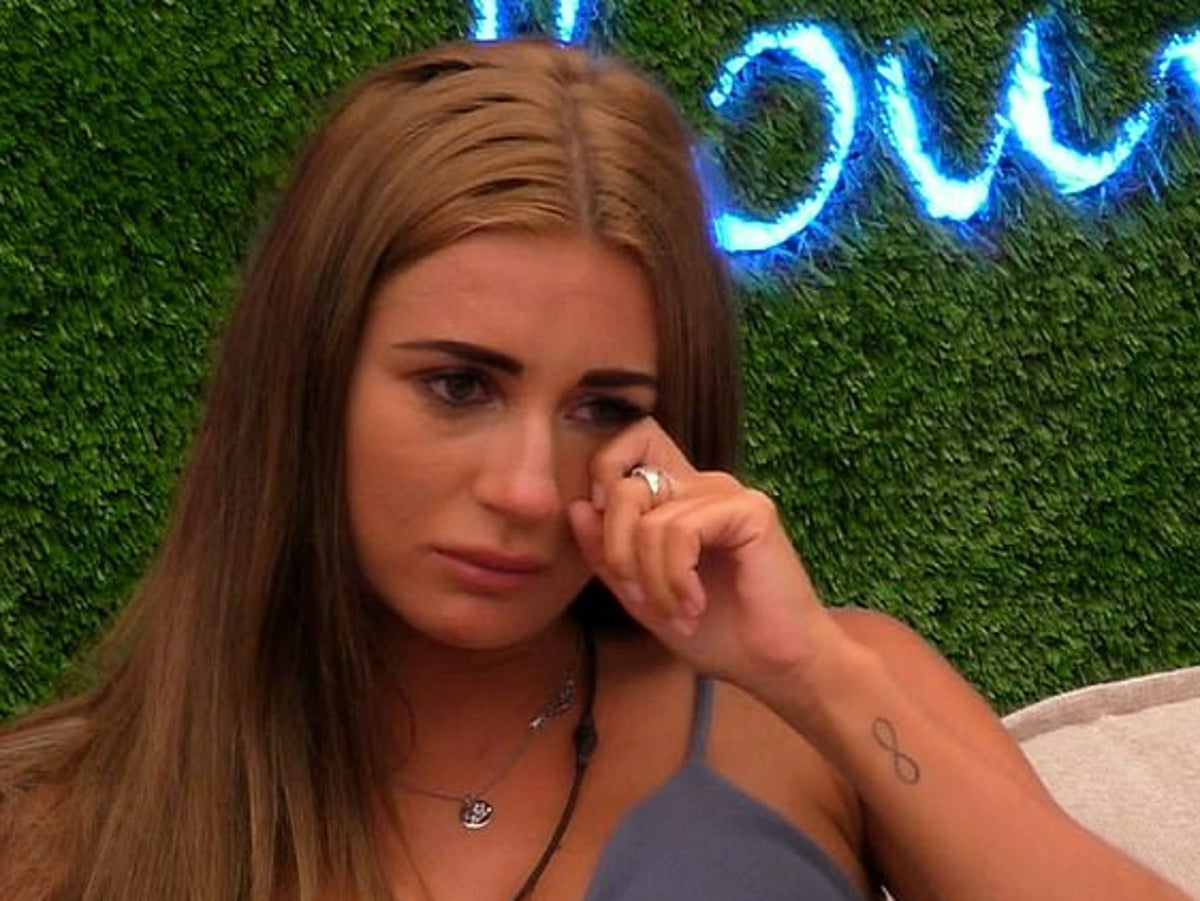
Has Love Island finally given us the ick? As ITV2’s annual celebration of sun, skin and snogging returns, it’s a question many of us are asking. For the past eight years, this dating show has dominated the discourse – plonk a bunch of hot twentysomethings in a Mallorcan villa, and their actions will spark debate about everything from racism to gaslighting. Now back for its 10th series, there’s more scrutiny on Love Island than ever, but little sign it’s going anywhere either. Should Love Island change, just because society has? Or is it asking too much to want a show, where attractive gym bunnies lie around in skimpy swimwear, to be politically aware, too?
Love Island has always had problems. Casually misogynistic comments about “body counts” to denote the number of people a person has slept with, unattainable beauty standards and Miss Great Britain losing her title for performing a sexual act on TV all underscored the earlier series. Over the years, that straight-up sexism became less obvious. And as affection for the show grew, loyal fans defended it from snobbish critics who rolled their eyes and suggested it was “low brow”. There was a willingness to let bad behaviour slide, and appreciate the series for what it was: horny, drama-packed telly.